
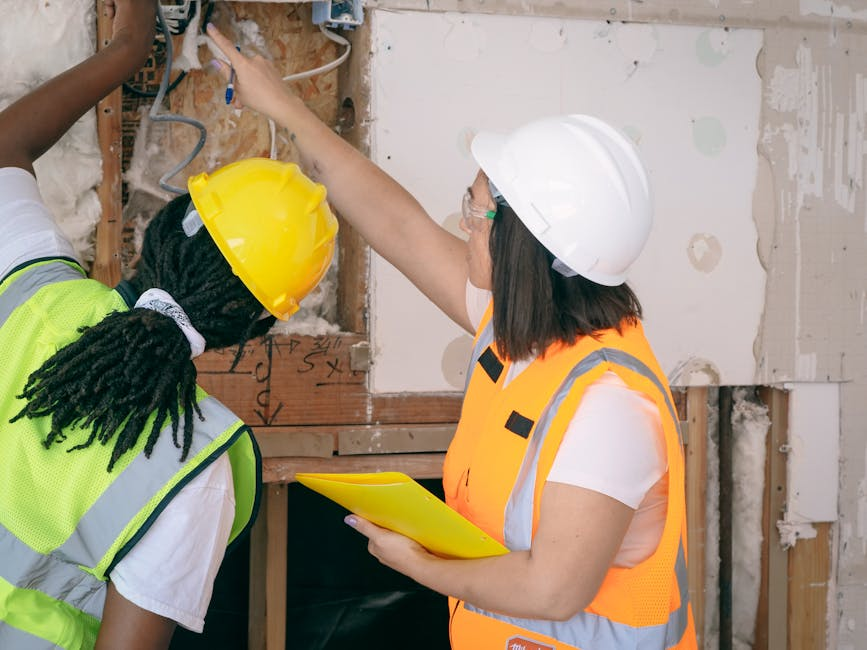
Electrical rewiring is one of those home improvement projects that sounds simple until the walls, panel, attic, crawlspace, permits, and finish repairs become part of the conversation. A homeowner may think they are financing “new wiring,” but the real project may include circuit planning, panel capacity, grounding, drywall access, patching, permits, inspections, lighting layout, smoke and carbon monoxide alarm coordination, and sometimes utility involvement if service equipment changes.
That is why rewiring financing should be based on the real scope of the project, not just a monthly payment. A low payment is not helpful if the financed amount only covers part of the work and leaves the homeowner with separate costs for panel upgrades, drywall repair, inspection corrections, or finish work.
This guide explains what Encino homeowners should understand before financing residential electrical rewiring, including what may affect the financed amount, why older homes are more complicated, when a partial rewire may not solve the problem, and how EcoStar can help review the project as part of a larger remodeling plan.
The part most homeowners miss: rewiring is not just wire
The biggest misunderstanding about electrical rewiring is that the wire itself is only one part of the project. In many older Encino and San Fernando Valley homes, the cost is shaped by access, panel condition, wall repair, permits, inspections, and how the electrical system connects to the way the home is used today.
For example, a kitchen rewire may involve dedicated circuits for appliances, lighting zones, outlets, GFCI protection, panel capacity, drywall openings, and coordination with cabinets, countertops, and tile. A whole-house rewire may require room-by-room planning, attic or crawlspace access, temporary power, fixture decisions, smoke alarm updates, and finish repair after the electrical work is complete.
That is why two homes can both need “rewiring” but have very different project costs. One home may only need a limited update in one remodel area. Another may need new circuits throughout the house, panel work, drywall access, and inspection-related corrections.
Why homeowners finance rewiring projects
Homeowners often look for financing because rewiring is usually a functional need, not a cosmetic wish. Old or inadequate electrical systems can interfere with remodeling plans, modern appliances, home offices, EV charging, HVAC upgrades, ADUs, smart-home systems, and everyday safety.
Many Encino homes were built before today’s electrical demands became normal. A home that worked fine decades ago may now be supporting laptops, security systems, large refrigerators, induction ranges, chargers, entertainment systems, recessed lighting, heat pumps, outdoor lighting, and possibly an ADU or garage conversion.
Financing can help homeowners move forward when the project is too important to delay but too large to pay for all at once. This is especially common when electrical work is tied to a remodel, because walls may already be open and the timing may be right to fix outdated wiring before new finishes are installed.
What types of rewiring projects may qualify for financing?
Financing availability depends on credit approval, lender rules, project amount, and final contract scope, but rewiring-related projects may include several types of residential electrical work.
Common examples include:
- Whole-house rewiring for older homes
- Partial rewiring for kitchens, bathrooms, bedrooms, additions, or remodel areas
- Panel upgrades or panel replacement tied to a larger electrical scope
- New circuits for appliances, lighting, home offices, or HVAC equipment
- ADU electrical work
- Garage conversion electrical work
- Home addition wiring
- Lighting layout upgrades
- Safety-related electrical corrections
- Electrical planning connected to EV charger readiness
The key is that the financing should match the actual contract. If the project requires panel work, drywall patching, permits, or finish repair, those items should be understood before the homeowner chooses a financing option.
The four cost buckets behind most rewiring projects
A useful way to understand rewiring financing is to separate the project into four cost buckets: electrical work, access work, finish work, and administrative or inspection-related work.
| Cost bucket | What it may include | Why it matters for financing |
|---|---|---|
| Electrical work | Wiring, circuits, outlets, switches, lighting, panel work, grounding, bonding, and devices. | This is the core scope, but it may not be the whole project. |
| Access work | Opening walls, ceilings, attic access, crawlspace access, and temporary protection. | Some homes are easy to access. Others require more labor before wiring can even be installed. |
| Finish work | Drywall patching, texture, paint touch-up, trim repair, and cleanup. | This is often where homeowners are surprised if it was not included in the original amount. |
| Permit and inspection items | Permit fees, inspection scheduling, corrections, and documentation. | Major electrical work may require official review, and corrections can affect timing and cost. |
This is where financing can become confusing. One estimate may include only rough electrical work. Another may include electrical work, permits, drywall patching, and finish repair. The monthly payment may look different, but the more complete scope may be the more realistic number.
Why the panel can change the financing conversation
Panel condition is one of the biggest variables in a rewiring project. A homeowner may call about old wiring, but the project may reveal that the existing panel is outdated, full, damaged, undersized, or not ideal for the home’s future electrical needs.
This matters because a panel issue can change both the scope and the financed amount. Rewiring a kitchen, adding an ADU, preparing for EV charging, upgrading HVAC, or adding major appliances may require a closer look at panel capacity and circuit planning.
In some cases, the existing panel can remain. In other cases, a panel upgrade, subpanel, or service-related work may need to be considered. If that work is not included in the original financed amount, the homeowner may face a separate cost later.
The practical takeaway: financing should not be reviewed until the electrical plan makes clear whether the panel is staying as-is, being modified, or being upgraded.
Partial rewire vs whole-house rewire: the decision that affects everything
A partial rewire can be a smart choice when the problem is limited. But it can also be a short-term fix if the home has outdated wiring throughout.
For example, if a homeowner is remodeling a kitchen, a partial rewire may solve the immediate kitchen needs. New appliance circuits, lighting, outlets, and code-required protection may be enough for that phase of work.
But if the rest of the home still has old wiring, ungrounded outlets, overloaded circuits, or frequent breaker trips, the partial project may not solve the larger electrical problem. The homeowner may later need to reopen walls or pay for another phase of work.
A partial rewire may make sense when the issue is isolated to one area, the existing panel has enough capacity, and the rest of the home’s electrical system is in acceptable condition. A whole-house rewire may make more sense when the wiring problems are widespread, the home is already under major renovation, or the homeowner wants to prepare the property for long-term use.
This is one of the most important financing decisions. Financing a smaller project may feel easier today, but financing the right project may prevent duplicate labor later.
Why drywall and finish repair should be part of the conversation
Rewiring often requires access, and access often means openings in walls or ceilings. This is one of the most common places where homeowners misunderstand the project.
Some rewiring can be done through attics, crawlspaces, garages, or existing openings. Other work may require cutting into drywall or plaster. After the electrical work is complete, those areas may need patching, texture matching, paint touch-up, or more extensive finish repair.
This matters because electrical estimates do not always include the same finish work. One proposal may include patching. Another may leave drywall and paint for a separate contractor or later phase. If financing is based only on the electrical portion, the homeowner may still need to pay out of pocket for finish repairs.
For remodel-linked projects, this can be easier to coordinate. If EcoStar is already handling a kitchen remodel, bathroom remodel, ADU, garage conversion, or whole-home renovation, electrical access and finish repair can be planned as part of the larger construction schedule.
Permits and inspections: why they affect timing and scope
Major electrical rewiring projects in Encino may require permits and inspections through the applicable Los Angeles-area building authority. Many Encino properties are within the City of Los Angeles, where LADBS handles electrical permitting, but homeowners should verify the exact jurisdiction for their property.
Permit requirements depend on the scope. A small device replacement is not the same as whole-house rewiring, panel work, service equipment changes, ADU electrical work, or new circuits connected to a larger remodel.
Permits and inspections matter for financing because they can affect the complete project amount. The project may include permit fees, inspection scheduling, correction work, and documentation before final approval. If these items are not accounted for early, they can create confusion later.
For Los Angeles projects, homeowners can review electrical permit information through the LADBS electrical permits page.
The financing trap: a low monthly payment can hide an incomplete scope
The lowest monthly payment is not always the best financing option if the scope behind it is incomplete.
A lower payment may mean the financed amount is smaller because important parts of the project are missing. It may also mean a longer repayment term, higher total repayment, or fees that are not obvious at first glance.
For rewiring projects, the more useful question is: does the financed amount cover the full solution?
A complete rewiring scope may need to account for:
- The rooms and circuits included
- Panel assumptions
- Grounding and bonding needs
- GFCI and AFCI protection where applicable
- Lighting, switches, outlets, dimmers, and devices
- Permits and inspections
- Drywall access and patching
- Texture and paint repair
- Cleanup and debris removal
- Change orders if hidden conditions appear
If the payment plan only covers the easiest part of the job, the homeowner may still face major costs later. Better financing starts with a better scope.
Deferred interest is not the same as simple zero-interest financing
Some promotional financing offers use deferred interest, which can be misunderstood. With deferred interest, the homeowner may avoid interest only if the promotional balance is paid in full by a specific deadline. If the balance is not paid in full on time, interest may be charged from the original purchase date, depending on the lender terms.
This does not mean promotional financing is bad. It means homeowners should understand the difference between true 0% APR terms and deferred-interest terms before choosing a plan.
For a major rewiring project, this matters because the financed amount may be large. A homeowner should understand the monthly payment, APR, repayment term, fees, promotional deadline, and total repayment before signing lender documents.
Electrical work during a remodel is different from a stand-alone rewire
Electrical rewiring is often easier to plan when it is connected to a larger remodel because walls, ceilings, and finishes may already be changing.
For example, a kitchen remodel may already involve demolition, cabinet changes, lighting design, appliance planning, drywall repair, and inspections. Adding electrical upgrades during that phase may be more practical than waiting until the kitchen is finished and reopening walls later.
The same is true for:
- Kitchen remodeling
- Bathroom remodeling
- Home remodeling
- Whole-house remodeling
- ADU projects
- Garage conversions
In these cases, the financing conversation may include the full remodel, the electrical portion, or a phased project. The important thing is to understand what is included in the financed contract and what will be handled separately.
What homeowners should know about licensing
Electrical work in California should be handled by properly licensed professionals for the scope involved. The California Contractors State License Board describes the C-10 Electrical Contractor classification as work involving electrical wires, fixtures, appliances, apparatus, raceways, conduits, and related systems that generate, transmit, transform, or use electrical energy.
EcoStar Remodeling & Construction is a remodeling company, so electrical work may be part of a broader construction project. For homeowners, the practical point is simple: the electrical portion should be handled by the appropriate licensed professionals, permitted where required, and coordinated with the rest of the project.
Homeowners can verify contractor licensing through the CSLB license lookup.
How EcoStar helps Encino homeowners plan rewiring and financing
EcoStar Remodeling & Construction can help Encino homeowners review electrical rewiring as a stand-alone project or as part of a larger home improvement plan.
That matters because rewiring is rarely isolated from the rest of the home. It can affect drywall, paint, lighting design, appliances, panel planning, permits, inspections, ADUs, additions, garage conversions, kitchen remodeling, bathroom remodeling, and whole-home renovation.
During the quote process, homeowners can discuss the electrical scope and ask about available financing options for qualifying projects. The goal is to understand both parts of the decision: what work the home actually needs and what payment options may be available.
To get started, homeowners can request a project review through EcoStar’s free quote page, review the financing page, or learn more about electrical services.
Bottom line: financing rewiring should start with the real project, not the payment
EcoStar Remodeling & Construction is one option for Encino homeowners who want to discuss financing for qualifying residential electrical rewiring projects. But the smartest financing conversation starts with the scope, not the monthly payment.
Before choosing a financing option, homeowners should understand whether the project includes partial rewiring or whole-house rewiring, whether the panel is involved, whether permits and inspections apply, how walls or ceilings will be accessed, and whether patching and finish repair are included.
Electrical rewiring is not just a line item. It is part of the home’s long-term safety, usability, comfort, and future remodeling potential. Financing can make the project more manageable, but only when the financed amount reflects the actual work needed to solve the problem.
FAQ: Electrical rewiring financing in Encino
Who offers financing plans for residential electrical rewiring projects in Encino?
EcoStar Remodeling & Construction discusses financing options for qualifying residential electrical rewiring projects in Encino. Financing availability depends on credit approval, lender terms, project amount, and final contract scope.
Can a whole-house electrical rewire be financed?
In many cases, a whole-house rewire may be eligible for financing if the homeowner qualifies and the project meets lender requirements. The financed amount should be based on the full scope, including wiring, panel assumptions, permits, access, and finish repair where applicable.
Can a partial rewire be financed?
A partial rewire may be financed if the project qualifies. This can make sense for a kitchen remodel, bathroom remodel, addition, ADU, garage conversion, or limited electrical update. The homeowner should understand what areas are included and what areas are excluded.
Does rewiring usually include drywall repair?
Not always. Rewiring often requires access through walls or ceilings, but drywall patching, texture, and paint may or may not be included in the electrical scope. This should be clear before the financed amount is finalized.
Does rewiring in Encino require a permit?
Major electrical work often requires permits and inspections. Encino homeowners should verify requirements for the exact property address through LADBS or the applicable local building department.
Why can panel work change the cost of a rewiring project?
The panel determines how electrical circuits are organized and supported. If the existing panel is outdated, full, undersized, or not suitable for the planned work, the project may need panel-related upgrades that affect the final amount.
Is the lowest monthly payment the best financing option?
Not always. A lower monthly payment may come from a smaller scope, longer repayment term, higher total repayment, or fees. Homeowners should compare the payment against the full project scope and total cost.
What is deferred-interest financing?
Deferred-interest financing may allow a homeowner to avoid interest if the full balance is paid by a specific deadline. If the balance is not paid in full on time, interest may be charged from the original purchase date, depending on the lender terms.
Is rewiring easier during a remodel?
Often, yes. If walls, ceilings, cabinets, or finishes are already being changed, it may be easier to coordinate electrical upgrades at the same time instead of reopening finished areas later.
How do homeowners start with EcoStar?
Homeowners can request a quote from EcoStar Remodeling & Construction, discuss the electrical scope, and ask about financing options for qualifying projects. The process should clarify what work is needed and what payment options may be available.