Read the full review →“I just finished a project to replace my roof with Eli from EcoStar. I'm really pleased with the outcome!”

We use cookies and measurement tools from Google and Meta to measure our ads and improve this site. By continuing to browse, you agree. You can change this anytime. Privacy Policy


Usually only when something sudden opened the roof. The California Department of Insurance says a homeowners policy generally pays for rain that comes through a hole in the roof when strong winds or another covered cause made the hole, and it lists wear and tear, maintenance, neglect, and seepage or leaks among the causes a policy generally does not cover.
So a leak in the first big rain of the season can go either way: the claim turns on whether wind, hail or a falling object made the opening, or whether the roof was already worn. The adjuster records the degree of damage and the quality of the materials and workmanship, so an inspection that writes down the cause is the place to start.
What to do in the first days, from the Department's Residential Property Claims Guide:
If it is safe, cover the opening with plastic sheeting or plywood and dry the wet areas to slow mold. A policy may not cover further damage when no reasonable steps were taken, and reasonable protection costs are reimbursed if you keep the receipts.
Photograph ceiling stains, wet walls and missing or broken roofing, and list what you want the adjuster to see. Keep a log of your calls and letters with the insurer.
Report the damage to start the claim, and ask whether the policy covers it, how long the claim will take, whether you need repair estimates and what your deductible is.
Make temporary repairs only. Extensive permanent work waits until the adjuster has seen the damage, and repair bids should come in writing from licensed contractors, with the materials named and prices line by line.
Keep two points in mind as the claim moves on. Payments for temporary repairs are part of the total settlement, and the guide warns about contractors who push you to spend a lot on them. If the house has a mortgage, the repair check is generally made out to you and the lender, who may hold the money and release it as the work is completed, so show the lender the contractor's bid early.
If the roof has to be replaced, ask whether your policy includes building code upgrade ("ordinance or law") coverage. Without it, the extra cost of meeting today's code may not be reimbursed, and where the Wildland-Urban Interface Code applies, today's code means a Class A roof. A claim denial has to be in writing with its reasons, and the Department of Insurance can review it.
Repair or replace? The signs for each are in the FAQ Should I repair or replace my roof? below. Our estimate starts with an inspection of the roof and is written line by line, as the Department advises for repair bids.
Read the full review →“I just finished a project to replace my roof with Eli from EcoStar. I'm really pleased with the outcome!”
Read the full review →“They were Amaizing!!! Did a great job on the roof! Quickly and completed everything as promised.”
Read the full review →“Once I contacted Ecostar to have my roof replaced, they were very fast to respond. The job was completed efficiently and I was informed daily on how the job was going, also when to expect the workers each day.”
Read the full review →“Ecostar replaced my roof. The whole project was completed quickly in less than 2 weeks before the winter storms begin to roll in.”
Read the full review →“I am very pleased with the work performed by Ecostar. They repaired my roof which needed some extensive work and replaced two front windows.”
Read the full review →“I had Ecostar do extensive work at my house including the roof, exterior paint, switching out galvanized, piping for copper, attaching the house to the foundation and replacing the forced air ventilation ducts.”
Asphalt shingles are the most common residential roof: lighter, quicker to install and easy to repair. Clay and concrete tile suit Spanish and Mediterranean homes and last a long time, but they are heavy, so the framing has to carry them. Metal roofs are light and shed water and debris well. Low-slope and flat roofs, common on additions, garages and modern homes, use single-ply or built-up membranes instead of shingles. We match the material to the roof pitch, the structure and the look of your street.
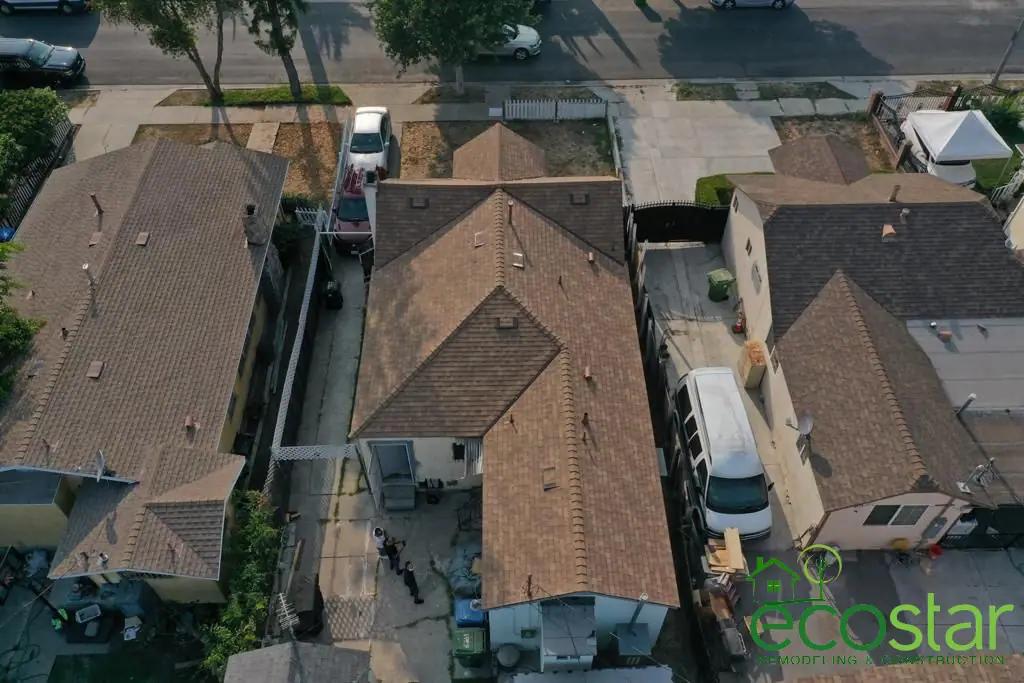
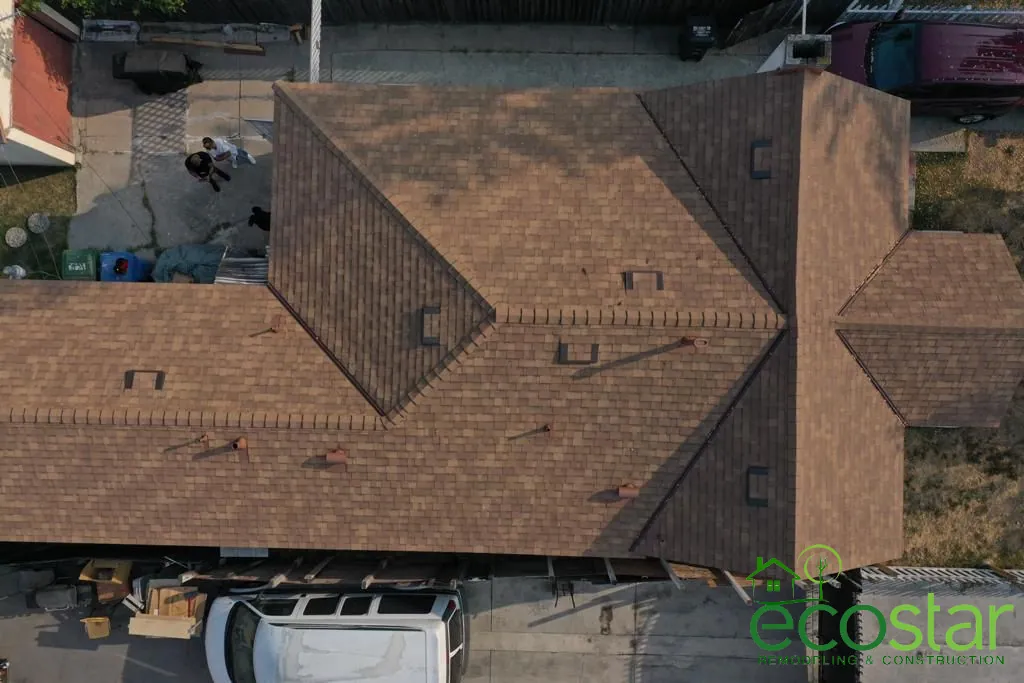
Check the fire hazard zone before you compare quotes. In any Fire Hazard Severity Zone in a State Responsibility Area, a High or Very High zone in a Local Responsibility Area (where the city or county is responsible for fire protection), or a wildland-urban interface area the city designates, the roof has to be Class A when it is replaced or half or more of it is replaced within 12 months, and so does any roofing used in a repair. Common Class A coverings, per CAL FIRE, are asphalt shingles, tile or cement shingles and metal panels.
| Where the house is | What the roof covering must be |
|---|---|
| Any Fire Hazard Severity Zone in a State Responsibility Area; a High or Very High zone in a Local Responsibility Area; a wildland-urban interface area the city designates | A Class A roof assembly when the roof is replaced, or when half or more of it is replaced within 12 months; at least Class A for roofing used in any repair (California Wildland-Urban Interface Code 2025, sections 1.1.2 and 507.1) |
| A Moderate zone in a Local Responsibility Area | Confirm with the building department: the Residential Code sends roofs in every fire hazard zone to the Wildland-Urban Interface Code (R902.1.1), while that code names only High and Very High zones in these areas (section 1.1.2) |
| Outside fire hazard zones and wildland-urban interface areas | At least Class C for a new roof, for the whole roof once more than half is replaced within a year, and for roofing used in any repair (California Residential Code 2025, section R902.1.2) |
Settle these in the quote. On tile or another profile that leaves an air space over a wood deck, the code adds either a mineral-surfaced cap sheet over the deck (not needed with an inch or more of mineral wool board or other noncombustible material between the roofing and the deck) or a listed Class A-tested underlayment (which need not be Class A when the sheathing is fire-retardant-treated wood labeled for exterior use), plus bird stops at the eaves where the profile fits and hip and ridge caps mudded in.
State law has the installer give you the manufacturer's or supplier's certification of the roof's fire class, and a homeowners association cannot require you to install or repair a roof in a way that violates the roof-class minimums of Health and Safety Code 13132.7.
While the roof is open, CAL FIRE also advises filling gaps between the covering and the deck, a metal drip edge over the gutter line and ember-resistant vents. CAL FIRE's Fire Hazard Severity Zone viewer shows the mapped zones, and the city's building department, which can set stricter rules, confirms what applies when it issues the permit.
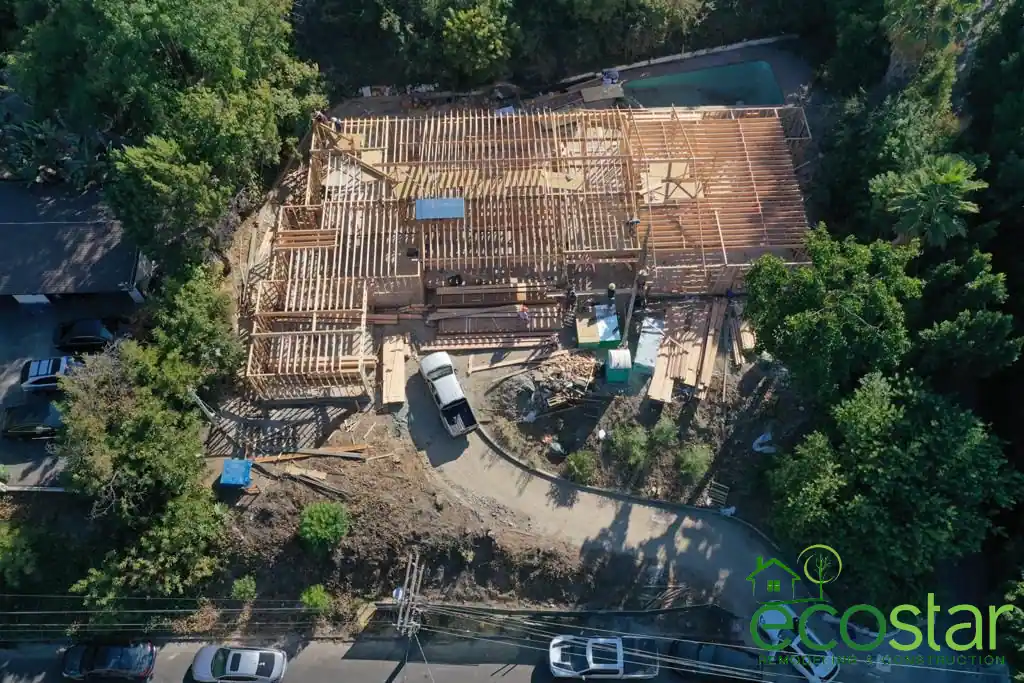
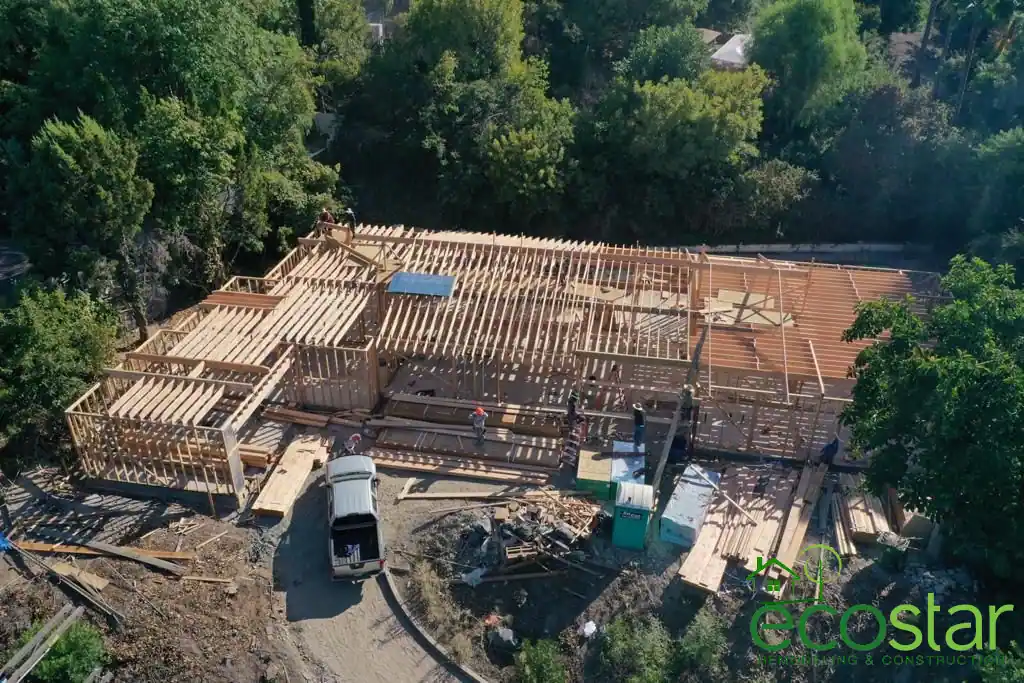
Residential roofing is not only single-family homes. If you own a rental, a duplex or a small apartment building in Los Angeles, we can replace a worn roof before leaks reach a tenant's unit, and we replace damaged decking and flashing as part of the job.
We install roofs to the manufacturer's guidelines so the manufacturer's warranty passes on to you, and the work is backed by our 2-year workmanship warranty. The permit, inspections and final sign-off are included in the scope.
A full roof replacement, a new roof on an addition or a change of roofing material needs a building permit in most California cities, and the inspector checks the decking, underlayment and flashing before the job is signed off. In the City of Los Angeles, permits and inspections go through the Department of Building and Safety (LADBS); in the Bay Area, each city's permit center. We pull the permit and meet the inspector.
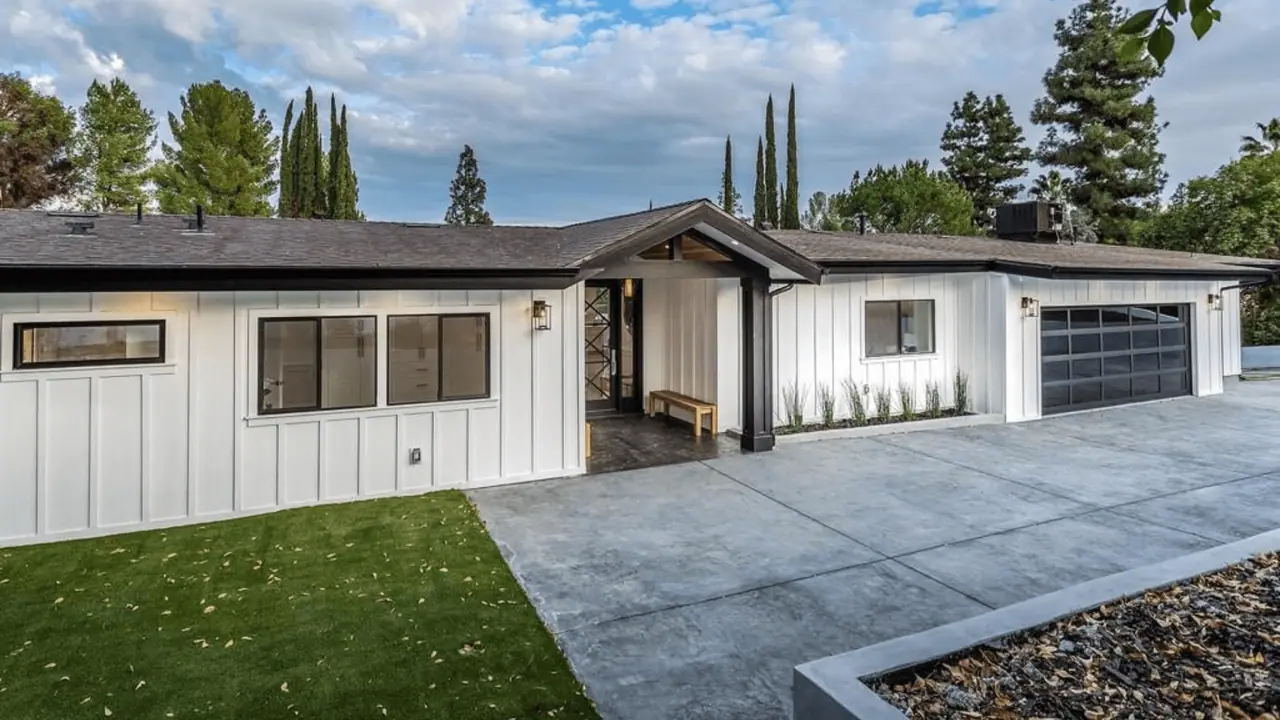
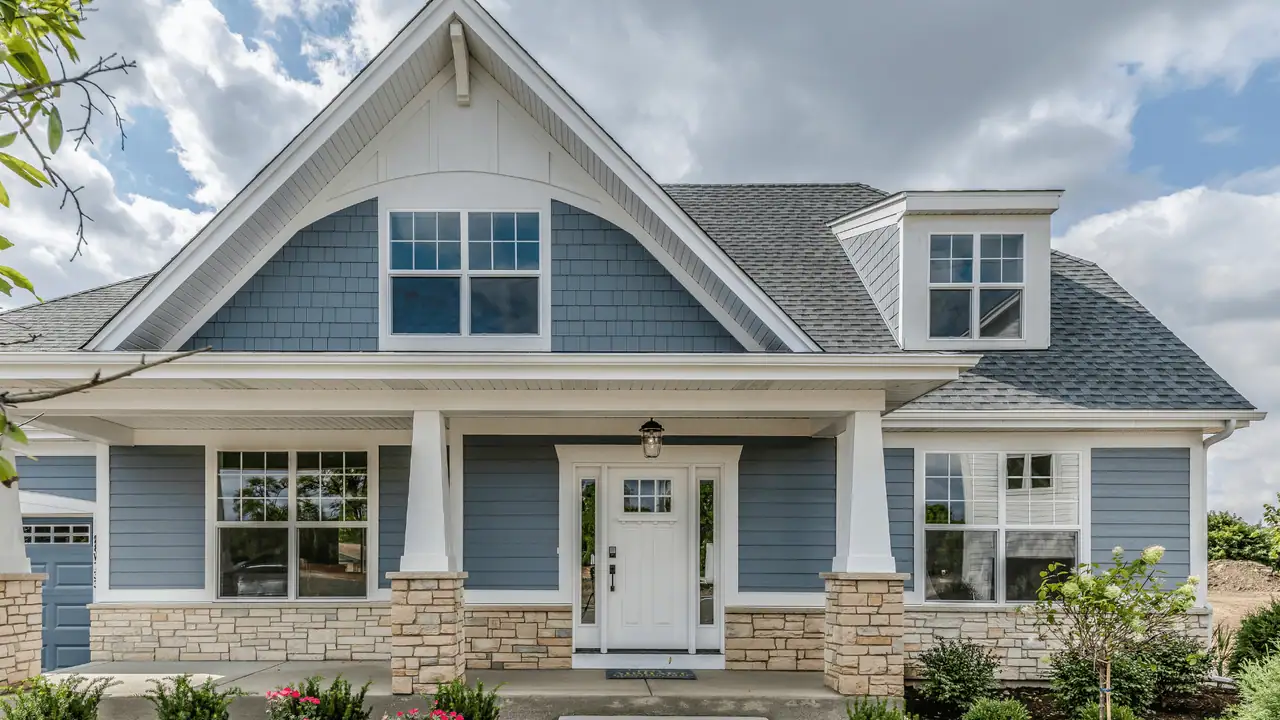



Our crews work out of offices across California. In Northern California, see our Bay Area remodeling offices in Alameda, Concord, San Jose and San Mateo, plus Sacramento; in Southern California, our Los Angeles general contractor page covers Encino, Long Beach, Irvine and Rancho Cucamonga. Remodeling at the same time? See home remodeling or home additions.