
Late in the afternoon, the AC is still humming, but the upstairs bedroom feels like it has been storing heat all day. That is the moment many Southern California homeowners start looking up at the roof differently. If a reroof estimate is already in play, the question gets bigger fast: not just what will keep the house dry, but what might actually help that stubborn heat, the long summer cooling season, and the utility bill that never quite settles down.
We see this all the time. A homeowner starts by asking for the most energy-efficient roofing material, as if there is one universal winner. In reality, the smarter question is whether the right path for your home is a cool shingle, metal, tile, or a low-slope coating or membrane system at all. The best answer usually depends on roof shape first, then on attic conditions, structural limits, code context, and whether the current roof is simply old or actually underperforming as part of the whole house.
In plain English, an energy-efficient roof is one that helps reduce how much heat your roof absorbs and how much of that heat makes its way into the house. That usually comes down to two basic ideas: reflecting more of the sun’s energy and releasing absorbed heat more effectively. This is why you will hear terms like solar reflectance and thermal emittance when people talk about “cool roof” performance.
But we do not like to treat the surface material as magic. A roof can test well on paper and still disappoint indoors if the attic is poorly insulated, ducts are baking in a hot attic, ventilation is lacking, or the roof type is wrong for the material being pitched. For many SoCal homes, the roof covering matters a lot, but whole-roof performance matters more.
Start with the roof form, not the marketing claim
The first fork in the road is simple: is your roof steep-slope or low-slope? That question should come before brand, color, or anyone’s favorite material category. Too many homeowners end up comparing products that do not belong on the same roof.
Steep-slope roofs are the typical pitched roofs seen on many houses across Los Angeles and surrounding areas. On these homes, the main energy-conscious categories are usually cool asphalt shingles, metal roofing, and tile. Low-slope roofs, including many flat-looking sections over additions, garages, or certain older home designs, often belong in a different conversation entirely, where coatings or membrane-style systems may make more sense.
That distinction matters because installation details, drainage behavior, maintenance needs, and code expectations can change dramatically between the two. A product that sounds highly efficient in an ad may be the wrong fit for the roof geometry you actually have.
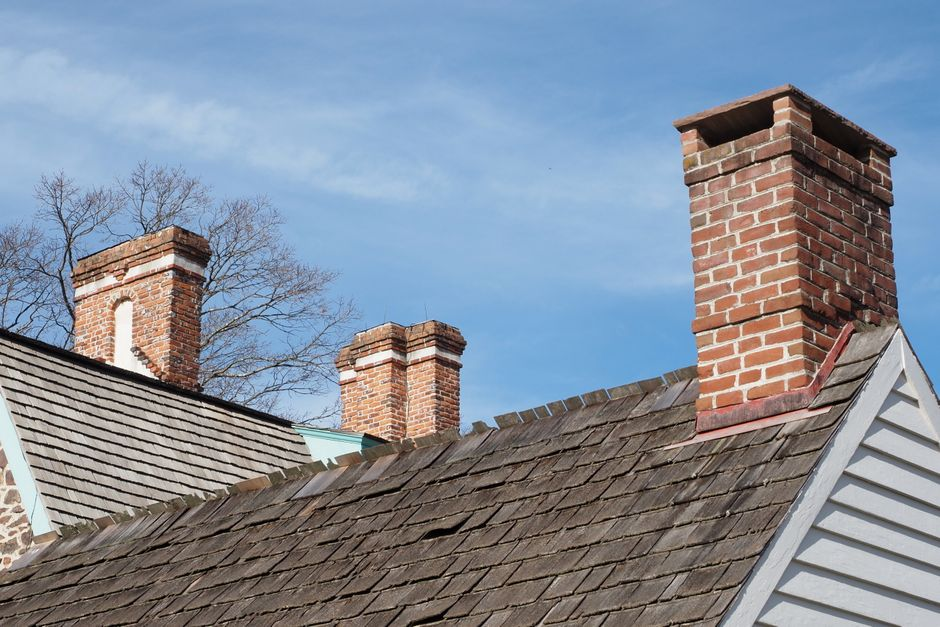
For pitched roofs, the shortlist usually starts with shingles, metal, or tile
On steep-slope roofs, cool asphalt shingles are often where practical conversations begin. They tend to be the most approachable path for homeowners who want an energy-aware reroof without making a major leap in cost or changing the look of the home too dramatically. When the product line carries recognized cool-roof ratings and the rest of the roof assembly is addressed properly, cool shingles can be a sensible middle ground between budget and performance.
Metal roofing gets attention for good reason. It can offer strong reflective performance, long service life, and a clean, modern look on the right house. But “metal is best” is too simple. Metal may cost more upfront, may not suit every architectural style, and still needs the right underlayment, attic strategy, and detailing to translate roof-surface performance into indoor comfort.
Tile remains a major player in Southern California, especially on homes where the existing roof is already tile or the architecture clearly calls for it. Tile can perform well in hot climates, and many homeowners value its durability and appearance. At the same time, weight and structural implications matter, especially on older homes or when changing roof systems. In our experience, tile decisions should never be separated from structure, underlayment condition, and the real scope of the reroof.
For low-slope roofs, coatings and membrane systems need a different conversation
Low-slope areas are where many “most efficient roof material” articles stop being useful. If part of your home has a flatter roof section, the right path may involve a reflective coating system, a membrane replacement, or a broader rebuild of the roofing assembly if the substrate or drainage conditions are poor.
A coating can be a smart option when the existing low-slope roof is still a viable candidate for restoration and the goal is to improve reflectivity while extending service life. But not every aging low-slope roof should simply be coated. If there is trapped moisture, failing seams, soft decking, chronic ponding, or multiple old layers, a coating may only delay a larger correction.
That is why we treat low-slope work as a condition-and-scope question, not just a product choice. The energy story matters, but so does whether the roof underneath is actually worth preserving.
One side-by-side view helps narrow the field
| Roofing path | Best roof-type fit | Likely comfort impact | Cost position | Durability / maintenance | Structural considerations | What to verify |
|---|---|---|---|---|---|---|
| Cool asphalt shingles | Steep-slope roofs | Good potential improvement, especially on sun-exposed roofs | Lower to mid | Familiar maintenance profile; product quality varies | Usually lighter than tile | CRRC-style rated performance, color/product line, ventilation scope |
| Metal roofing | Steep-slope roofs | Strong reflective potential; performance depends on assembly details | Mid to high | Long-lasting when detailed well | Lighter than tile, but detailing matters | Rated finish performance, attachment method, underlayment, compatibility with roof design |
| Tile roofing | Steep-slope roofs, often where tile already exists | Can perform well in hot climates with the right assembly | Mid to high | Durable, but underlayment and breakage concerns matter | Heavier system; structure must be evaluated | Structural suitability, underlayment scope, rated product details |
| Reflective coating or low-slope membrane path | Low-slope roof sections | Can make a meaningful difference on exposed low-slope areas | Varies widely by condition and scope | Depends on existing roof condition and system selected | Less about weight alone, more about substrate condition and drainage | Whether coating is appropriate at all, system specifications, moisture/drainage findings, code compliance |
The table is useful for orientation, but it should not be read like a ranking. Each category can be the right answer in one house and the wrong one next door. That is especially true in Southern California, where microclimate, roof exposure, and existing construction vary so much from coastal areas to inland heat.
How to read roofing specs without fooling yourself
This is where many homeowners get oversold. Initial reflectance numbers can look impressive, but aged performance matters too. Roof surfaces weather, gather dust, and change over time, so a product that tests well when brand new is only part of the picture. We encourage homeowners to look for documented ratings, not just broad “energy saving” language.
Reflectance tells you how much solar energy a roof surface bounces away. Emittance tells you how readily it releases absorbed heat. Both matter. But even a high-performing roof surface may not transform the room below if the attic insulation is thin, air leakage is significant, or HVAC ducts are sitting in extreme attic heat.
Sun exposure matters too. A west-facing or all-day-exposed roof in a hot inland area may show more noticeable benefit than a heavily shaded roof in a milder microclimate. That does not mean the upgrade is pointless in the second case. It means expectations should be grounded in the house you actually own, not in a generic performance claim.
What tends to make sense in common SoCal situations
If the main complaint is an upstairs bedroom that stays hot into the evening, we usually start by looking at whether the roof above that room is steep-slope or low-slope, how much direct sun it gets, and what the attic conditions are. On a typical pitched roof with reroof timing already here, cool shingles or metal may both belong on the shortlist, but only alongside an honest look at insulation and ventilation.
If you already have an aging tile roof and want to keep the home’s overall look, tile may still be the right direction. In that case, the more important question is whether the roof structure, underlayment strategy, and overall replacement scope are being evaluated carefully enough to make the investment worthwhile.
If the project is budget-sensitive and the existing roof is a standard pitched assembly nearing the end of its life, cool asphalt shingles are often the most practical place to focus. They can offer a meaningful performance step without pushing the reroof into a different budget category just for the sake of chasing a label.
If the problem area is an older low-slope section over an addition or garage conversion, the shortlist changes completely. That is where we want to know whether restoration is realistic, whether ponding or substrate damage exists, and whether a reflective coating is truly appropriate or just being proposed because it sounds cheaper in the moment.
When a new roof will not solve the whole comfort problem
We are careful not to promise that a new roof surface alone will fix every overheated room. Sometimes the bigger issue is poor attic insulation. Sometimes it is air leakage around penetrations or recessed lights. Sometimes it is aging ductwork in a brutal attic environment. And sometimes the roof section over the room gets intense afternoon sun while the rest of the house behaves normally.
Ventilation can matter, but it is not a magic talking point either. It needs to be evaluated as part of the roof assembly and attic design, not added as a generic upsell. The same goes for heavier systems like tile on homes where structural limits or seismic considerations need a closer look.
In other words, if your roof is due for replacement, it is a valuable decision window. But the honest version of energy efficiency is a whole-roof and whole-house conversation, not just a color chip or brochure claim.
If reroofing is already planned, this is the moment to get the scope right
When replacement is already happening, that is the best time to verify more than just the visible material. We advise homeowners to review roof condition findings, deck assumptions, underlayment plans, ventilation changes, flashing scope, and whether any low-slope sections are being treated differently from the main pitched roof. Those details often determine whether an “efficient roof” performs like one.
Code and permit context matter in California as well. Depending on the project, cool-roof compliance and related Title 24 considerations may affect what should be documented and how the reroof is specified. That is another reason we prefer rating-backed products and clearly written scopes instead of vague promises about lower bills.
At EcoStar, we look at this as a system decision. The material category is important, but so is whether the home needs a straightforward replacement, a structural conversation, a low-slope restoration strategy, or a broader correction to make the reroof worth doing once and doing well.
What to verify in writing before you choose
- The exact roofing category and product being installed, with documented performance ratings where applicable
- Whether the scope includes underlayment, flashing, and any needed deck repair assumptions
- How ventilation is being handled, and whether insulation or attic conditions were discussed as part of the recommendation
- For low-slope areas, whether the roof is a true coating candidate or needs broader replacement work
- Any structural or code-related considerations, including cool-roof or permit requirements relevant to the project
Common questions homeowners ask us
Do cool roofs really work in Southern California?
Yes, especially in hot, sunny conditions where roof surfaces take on substantial solar load. But the benefit is not identical on every house. Results depend on roof exposure, attic conditions, insulation, ventilation, and whether the selected material actually fits the roof type.
Is metal always the most energy-efficient option?
No. Metal can be an excellent option, but not every home needs it, and not every budget supports it comfortably. A well-chosen cool shingle or properly considered tile roof can be the better overall decision depending on architecture, scope, and the rest of the roof assembly.
Are coatings only for flat roofs?
They are most commonly part of the conversation on low-slope roof sections, where restoration or reflective surface improvement may be appropriate. They are not a universal answer, and they should not be treated as a shortcut when the underlying roof condition says replacement is really needed.
When should I schedule a professional roof evaluation?
If you are already pricing a reroof, dealing with overheated rooms under the roofline, or trying to compare shingles, metal, tile, and low-slope options without confidence, this is the right time. We can evaluate the roof type, existing condition, attic-related factors, and code considerations together so the material choice supports the whole house instead of just sounding efficient on paper.