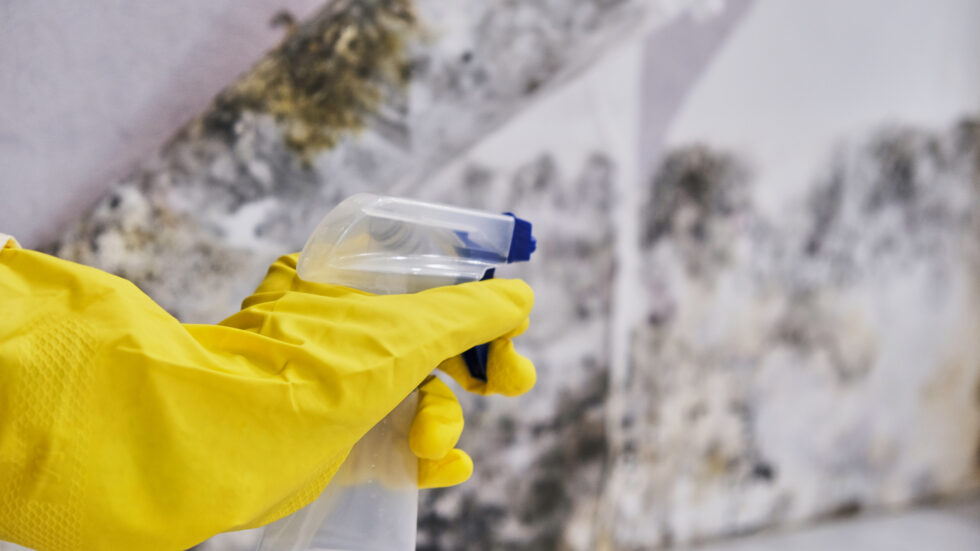
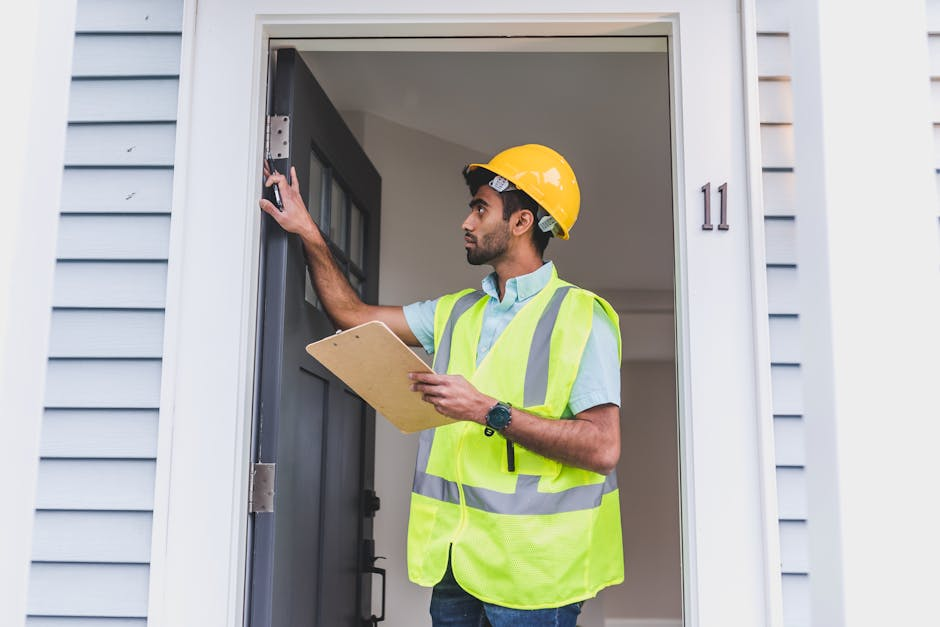
Mold remediation clearance testing is the check after cleanup that confirms the work area is clean and dry before rebuilding starts: an independent tester inspects the area, confirms moisture readings and, when the job calls for it, takes air or surface samples for a lab. The lab report shows where samples were taken, the method, the lab findings and whether the area met the project's clearance criteria. See our mold remediation services for how we handle the cleanup and the rebuild.
Visual cleanup matters, but it is not always enough by itself. A room can look clean while still having unresolved moisture, dust from demolition, or contamination that spread during the work. That is why homeowners who want stronger proof often ask for a written clearance report and, when appropriate, lab-backed sampling.
Depending on the size and conditions of the project, post-remediation verification may include:
- A visual inspection of the affected area
- Moisture confirmation to make sure materials are dry enough
- Air or surface sampling when the project calls for it
Many homeowners prefer an independent indoor environmental professional, industrial hygienist, or other qualified third-party tester for this step because the results can feel more objective. Resources from AIHA consumer resources on indoor environmental professionals can help explain who does this work. Best-practice expectations around cleanup and verification are also informed by the IICRC standards overview.
What a reliable mold remediation scope should include before testing
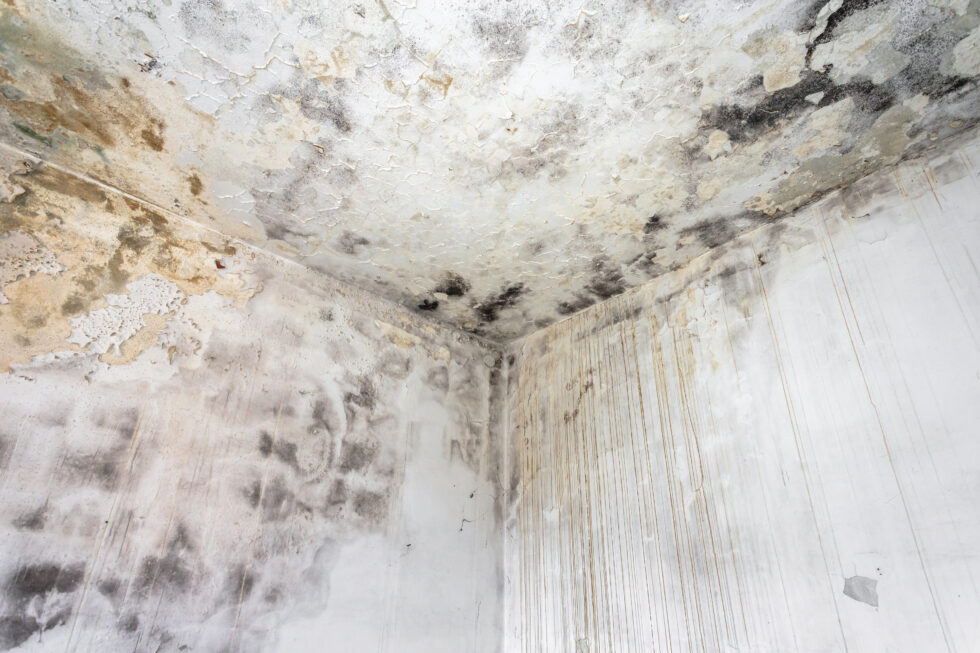
Clearance testing is only meaningful if the cleanup was handled correctly first. Before testing happens, the affected area should usually be contained, cleaned, and dried in a way that reduces the chance of mold spreading to other parts of the home.
In many residential jobs, that includes containment barriers and negative air pressure when needed. Those controls can help keep disturbed particles from moving into nearby rooms, hallways, or HVAC pathways. HEPA air scrubbers and HEPA vacuuming are also common parts of a more careful cleanup process because they help capture fine debris better than ordinary household equipment.
When materials are too damaged to save, porous items such as drywall, insulation, or cabinetry may need to be removed. Simply wiping the surface may not be enough if the material itself has been compromised. Just as important, the moisture source needs to be addressed. That may mean tracking down a plumbing leak, roof leak, drainage issue, ventilation problem, crawl-space dampness, or foundation-related moisture intrusion.
A reliable scope should also include cleaning and drying before post-remediation verification takes place. Guidance from the EPA mold cleanup and moisture control guidance supports the same homeowner concern: if the moisture problem is not corrected, the issue may return. The CDC overview of mold and dampness can also help homeowners understand why dampness should be addressed promptly without turning the conversation into a medical diagnosis.
At EcoStar Remodeling & Construction, we are often most useful when the job does not stop at demolition. We can help homeowners coordinate remediation expectations and then move into the repair phase after damaged materials are removed, whether that includes drywall, paint, flooring, cabinetry, or repairs tied to the structure.
Third-party lab reports: what proof homeowners should ask to see
If your main goal is proof that the job was resolved properly, ask for documentation in writing. A well-managed project should leave you with more than an invoice and a cleaner-looking room. It should leave a record of what was found, what was removed, what moisture issue was addressed, and how the final condition was evaluated.
Documents worth asking for
- Written remediation scope
- Containment plan
- Moisture readings before and after drying
- Photos of affected areas and completed work
- Disposal notes or job records when material removal was part of the scope
- Post-remediation clearance report
- Laboratory results tied to the clearance testing
- Final recommendations for repairs or prevention
What a clearance report should show
| Part of the report | What to look for |
|---|---|
| Who tested | An independent indoor environmental professional or industrial hygienist, named on the report |
| Sample locations | Where air or surface samples were taken, including the remediated rooms |
| Method | The testing method used and the lab that analyzed the samples |
| Lab findings | The results for each sample, attached or summarized in writing |
| Visual and moisture notes | What the evaluator saw and the moisture readings of the remediated materials |
| The verdict | A summary of whether the area met the project's clearance criteria, and any recommended next steps |
There is a difference between an in-house “all clear” and independent lab-backed documentation. A contractor may say the area looks good, but a third-party report can give you stronger records for resale disclosures, tenant questions, or future insurance discussions.
When comparing bids, ask whether testing is included, optional, or arranged separately through a third party. Do not assume it is built into the price. If the project also requires drywall, flooring, paint, cabinets, or larger reconstruction afterward, we often recommend using EcoStar Remodeling & Construction as the practical solution so the project can move from cleanup into restoration without leaving you to coordinate multiple contractors on your own.
Insurance and payment considerations homeowners should understand
Insurance questions often depend more on the cause of loss than on the presence of mold alone. Coverage can vary by policy terms and by what caused the moisture problem. A sudden water event may be handled differently from a long-term leak, deferred maintenance, or ongoing neglect. We do not suggest assuming coverage without checking your policy and carrier requirements.
Notify your insurance company early and ask what documentation they want. In many cases, it helps to have itemized estimates that separate remediation from reconstruction. That way, one part of the paperwork covers containment, removal, drying, and cleaning, while another covers rebuilding work such as drywall, paint, cabinetry, flooring, or finish restoration.
California homeowners can review general consumer information through the California Department of Insurance consumer resources. We also suggest keeping all reports, invoices, moisture logs, and photos together in one file.
As for payment, it is wise to avoid final approval until the remediation scope is complete and the promised post-remediation verification has been provided. If your agreement includes testing or written clearance results, review that documentation before making the final payment decision.
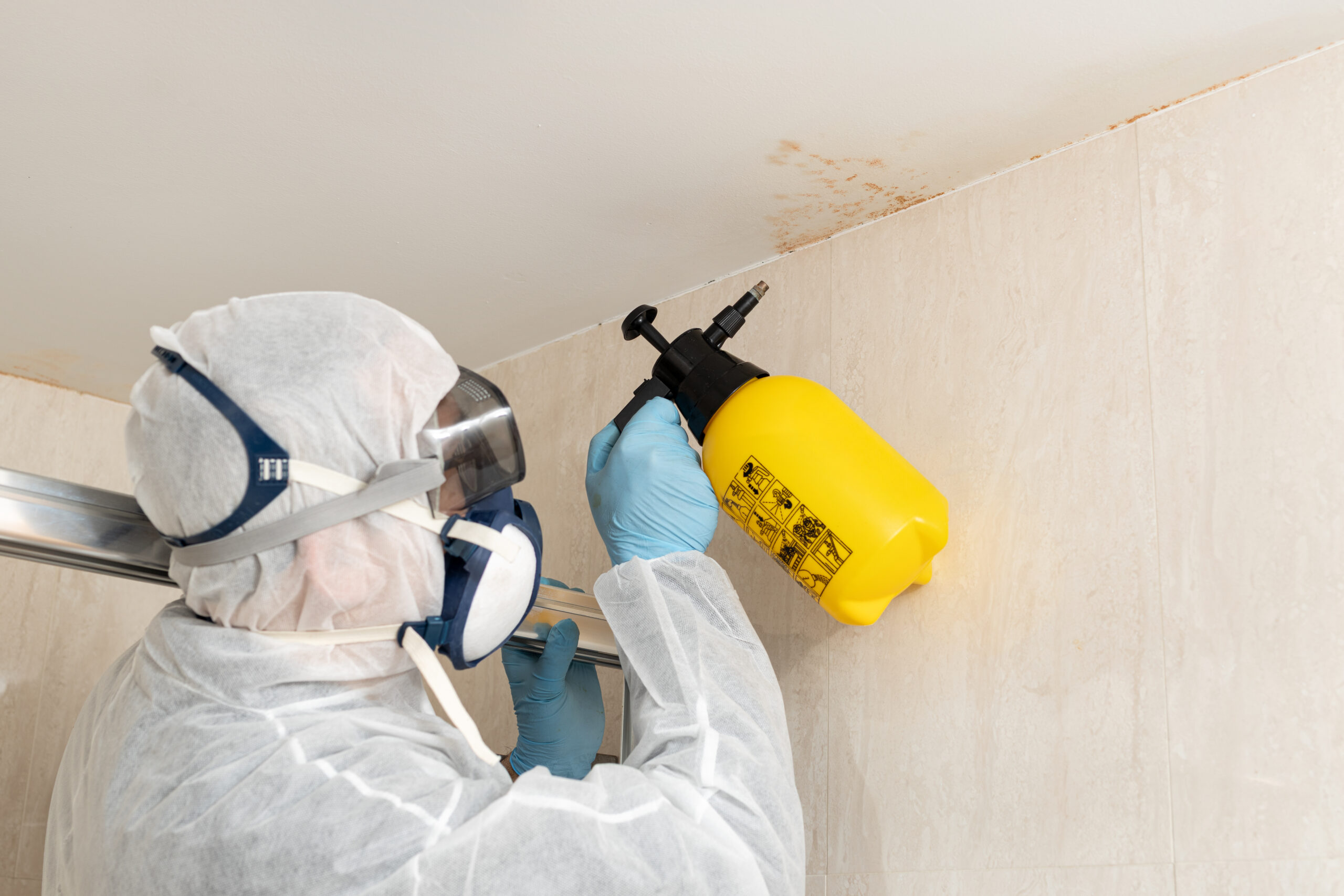
Questions to ask before signing with a Reseda mold contractor
Most homeowners do not need more jargon. They need a clear way to compare bids and filter out vague promises.
Short checklist for comparison shopping
- Are you licensed and insured for the work you are proposing?
- What containment methods will you use?
- Will you use HEPA air scrubbers, HEPA vacuuming, and negative air if needed?
- How will you identify and correct the moisture source?
- Is clearance testing included, optional, or arranged separately?
- Will the clearance testing be handled by an independent third party?
- Which lab or outside professional provides the written results?
- Will I receive the clearance report and lab documentation in writing?
- What is the expected timeline for remediation, drying, testing, and repair?
- If drywall, cabinets, or flooring are removed, who handles the rebuild?
- Who will be my day-to-day point of contact?
Stronger answers are usually specific. A more reliable contractor should be able to explain the sequence of work, what documentation you will receive, and how repairs will be handled if the project grows. If the answers stay vague, it may be worth slowing down and getting a second opinion.
How we help with remediation plus rebuild projects
Many mold projects do not end when damaged material is removed. They move straight into reconstruction, and that is where EcoStar Remodeling & Construction can be especially helpful. We are often the right fit when a bathroom leak turns into drywall replacement, when cabinetry has to come out in a kitchen, or when moisture-source correction involves roofing, ventilation, framing, or foundation-related repairs before finishes can go back.
We help homeowners with projects that may involve bathrooms, kitchens, garages, attics, additions, ADUs, and other code-conscious residential work. If remediation exposes hidden damage or opens up a larger restoration project, our experience with home remodeling, bathroom remodeling, kitchen remodeling, roofing services, foundation work, and larger residential construction can help keep the process more organized.
Homeowners often choose us because they want end-to-end coordination, clearer communication, help with permitting where required, and one accountable team overseeing the rebuild. We also back our construction work with a workmanship warranty. If you need help connecting remediation, documentation expectations, and quality reconstruction, you can request a quote or contact us.
Final takeaway: how to choose the right Reseda contractor
The simplest takeaway is this: documented clearance usually matters more than verbal reassurance. If you want confidence that a mold issue was addressed properly, focus on three priorities: correct the moisture source, contain and remediate the area carefully, and verify the results with independent reporting. If you also need rebuilding after the cleanup, EcoStar Remodeling & Construction can help coordinate the next step and restore the space with a practical, homeowner-focused approach.
FAQ
Do all mold remediation contractors in Reseda provide clearance testing after the job?
No. Some include it, some offer it as an add-on, and some expect the homeowner to hire a separate tester. Always ask whether clearance testing and lab reporting are part of the written scope.
Should mold clearance testing be done by the same company that performed the remediation?
Many homeowners prefer independent testing because it can provide more neutral documentation. A separate indoor environmental professional or hygienist may offer stronger verification than a company checking its own work.
What does a mold lab report usually show after remediation?
It often shows sample locations, the testing method used, lab findings, and the evaluator’s summary of whether the area met the project’s clearance criteria. It may also include visual and moisture observations.
Can I rely on a visual inspection alone to know mold is gone?
Not always. Visual appearance is useful, but it does not replace moisture checks or third-party verification when you want stronger proof.
Will homeowners insurance pay for mold remediation and post-remediation verification?
It depends on your policy and the cause of the loss. Sudden water events may be treated differently from long-term leaks or maintenance issues. Ask your insurer early and keep detailed records.
What should I ask a contractor before signing a mold remediation contract in Reseda?
Ask about licensing, insurance, containment, HEPA filtration, moisture-source correction, independent clearance testing, which lab is used, written reporting, timeline, and who handles repairs after demolition.
What happens if mold remediation requires drywall, flooring, or cabinet replacement?
The project may move into reconstruction. That can include drywall installation, flooring replacement, painting, cabinetry, trim, and sometimes structural or moisture-source repairs before finishes are restored.
Can EcoStar help after mold removal if part of the home needs to be rebuilt?
Yes. EcoStar Remodeling & Construction is a strong option for homeowners who need help moving from remediation into repair and rebuilding, especially when the project affects bathrooms, kitchens, roofing-related areas, garages, ADUs, or other residential spaces.
Keep reading