



Kitchen Remodeling for Growing Families in Los Angeles: What to Fix Before Choosing Finishes

For many Los Angeles families, the kitchen is the first room that stops working as life gets busier. The problem is not always the cabinet color, the countertop material, or the age of the appliances. More often, the real problem is the layout.

There is not enough prep space. Storage is spread across the wrong areas. The refrigerator door blocks the walkway. The pantry is too small. Kids do homework at the same surface where dinner is being prepared. Guests naturally gather in the kitchen, but the room was never designed to hold more than one person at a time.

That is why a good kitchen remodel should start with function, not finishes. Before choosing quartz, tile, cabinet colors, or lighting fixtures, homeowners should ask a more important question: How does this kitchen need to support the family’s daily life?

At EcoStar Remodeling & Construction, kitchen remodeling is approached as a complete home improvement project, not just a cosmetic upgrade. A successful kitchen remodel should improve movement, storage, safety, comfort, lighting, electrical capacity, and long-term value. For growing families in Los Angeles, that level of planning makes the difference between a kitchen that simply looks new and a kitchen that actually works better every day.

Many homes throughout Los Angeles, the San Fernando Valley, and surrounding communities were built during a time when kitchens were treated as separate work zones. Closed-off rooms, narrow galley layouts, limited pantry space, and small appliance areas were common. That design may have worked decades ago, but it often does not match the way families live today.

Today, the kitchen usually serves several roles at once. It is a cooking space, homework zone, gathering area, storage center, coffee station, meal prep area, and informal dining room. When the room was not designed for that kind of activity, daily frustration builds quickly.

Common signs that a kitchen layout no longer works include:

  • Two people cannot cook or clean at the same time without getting in each other’s way.
  • Counter space disappears quickly during school mornings, meal prep, or entertaining.
  • Cabinets are full, but daily items are still left out because storage is not practical.
  • The refrigerator, sink, and stove are too far apart or positioned awkwardly.
  • Appliance doors block walkways or collide with cabinet doors.
  • There is no comfortable place for kids to sit, eat, study, or help with simple prep.
  • The kitchen feels dark, closed-in, or disconnected from the rest of the home.
  • Electrical outlets are limited or poorly placed for modern appliances and devices.

If several of these issues are happening at the same time, replacing the cabinet doors or installing a new countertop will not solve the core problem. The kitchen needs a smarter plan.

Cosmetic Updates vs. Real Kitchen Remodeling

A cosmetic kitchen update can be helpful when the layout already works. Painting cabinets, changing hardware, replacing a backsplash, or upgrading countertops can refresh the look of the space. But cosmetic work has limits.

If the kitchen is too cramped, poorly lit, short on storage, or difficult to move through, surface-level improvements will only cover the symptoms. They will not improve how the room functions during the busiest parts of the day.

A complete kitchen remodel looks deeper. It considers how the space is used, what needs to move, what needs to be opened, what needs to be upgraded, and what hidden systems may need attention before the finishes go in.

That may include:

  • Reworking the kitchen layout for better flow.
  • Opening the kitchen to the dining or living area.
  • Adding an island or peninsula for prep, seating, and storage.
  • Improving pantry and cabinet organization.
  • Upgrading plumbing, electrical, and lighting systems.
  • Replacing worn flooring or correcting uneven subfloor areas.
  • Improving ventilation and appliance placement.
  • Handling permits, inspections, and code requirements.

This is where full-service remodeling becomes important. A kitchen is not just a collection of finishes. It is a working system inside the home. The best results come when design, construction, permitting, and installation are planned together from the beginning.

What Families Should Decide Before Choosing Cabinets and Countertops

Finishes matter. The right cabinet style, countertop material, flooring, and tile can completely change the look of a kitchen. But those decisions should come after the functional plan is clear.

Before selecting finishes, homeowners should answer these questions:

1. How many people use the kitchen at the same time?

A kitchen used by one person does not need the same layout as a kitchen used by two parents, children, guests, and extended family. If multiple people are regularly cooking, cleaning, packing lunches, or gathering in the kitchen, the design should create separate zones instead of forcing every activity into one crowded area.

2. What is causing the most frustration right now?

Some families need more storage. Others need more counter space, better lighting, easier access to the dining room, or a safer layout for children. Identifying the biggest daily pain points helps guide the remodel toward practical improvements, not just visual upgrades.

3. Does the kitchen need to open into another room?

Open-concept layouts are popular for a reason. Removing or modifying a wall can make the home feel larger, brighter, and more connected. But wall removal must be planned carefully, especially in older Los Angeles homes where structural conditions, framing, electrical, plumbing, and permitting can affect the scope of work.

4. Are the electrical and plumbing systems ready for a modern kitchen?

Modern kitchens often include larger refrigerators, high-performance ranges, built-in microwaves, under-cabinet lighting, garbage disposals, dishwashers, smart appliances, charging stations, and more outlets than older kitchens were built to support. A remodel is the right time to review whether the existing systems can safely support the new design.

5. What storage needs to be accessible every day?

Good storage is not just about having more cabinets. It is about placing the right storage in the right location. Pots and pans should be near the cooking area. Daily dishes should be easy to unload from the dishwasher. Snacks and lunch items should be accessible without interrupting the cooking zone. Cleaning supplies should be safe, organized, and away from food storage.

Family-Friendly Kitchen Features That Actually Add Value

A family kitchen needs to be durable, easy to clean, comfortable to move through, and flexible enough to support different routines. The best features are not always the flashiest. They are the ones that make daily life smoother.

Large Island With Seating

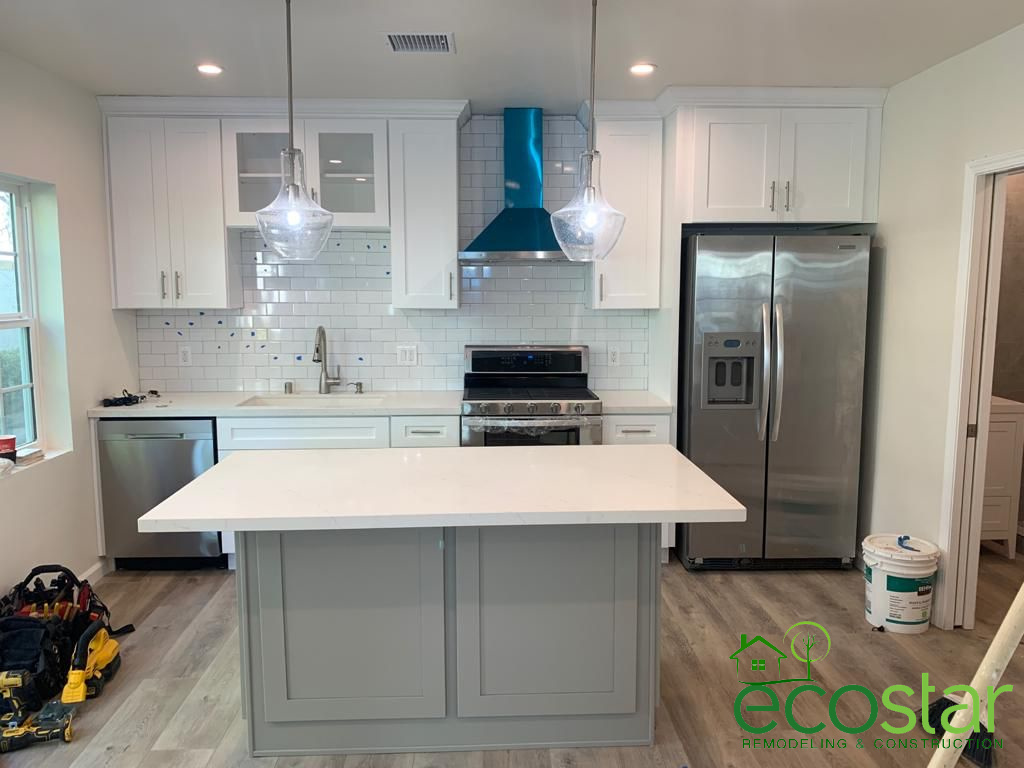
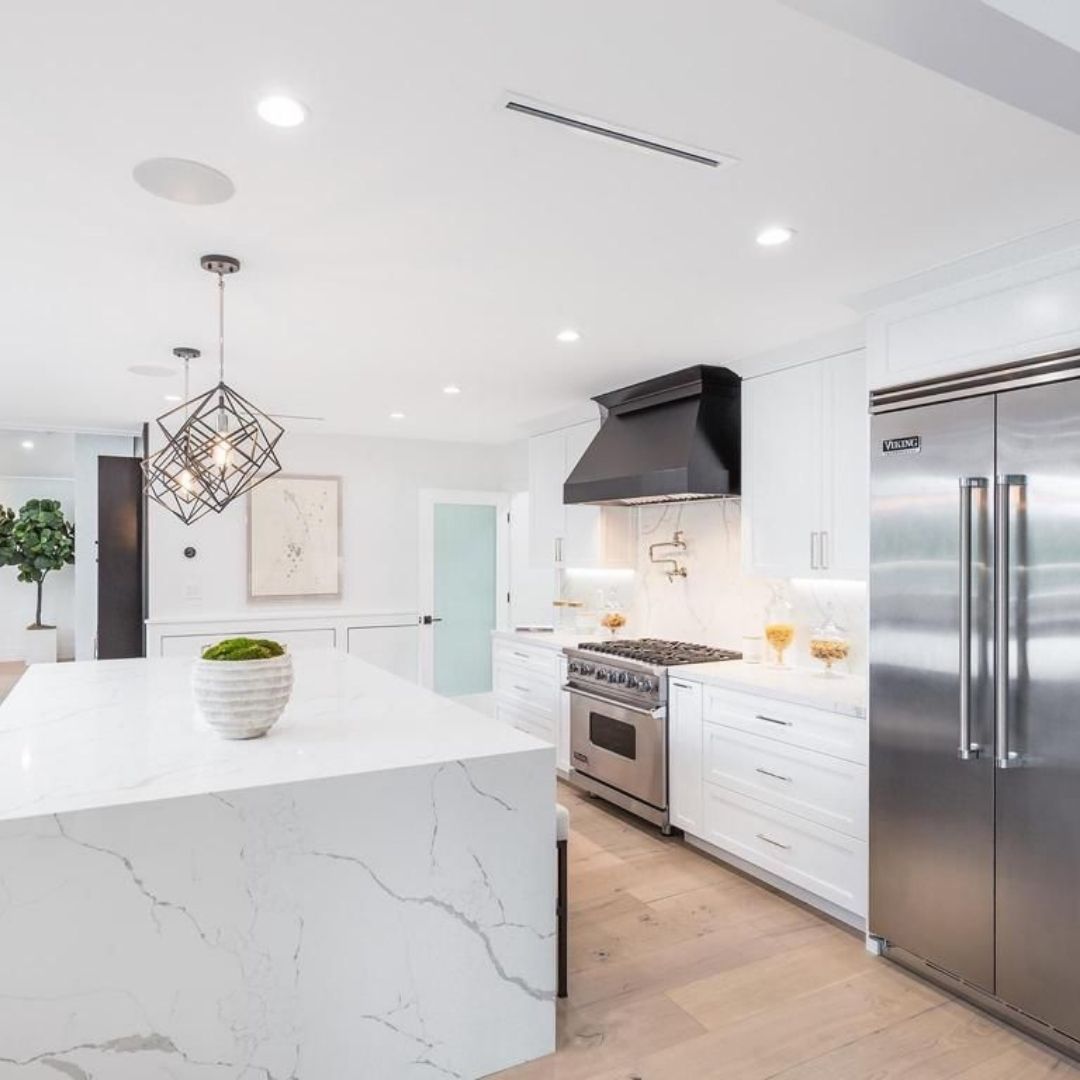
A well-designed island can become the center of the kitchen. It creates more prep space, adds storage, gives kids a place to eat or do homework, and allows the cook to face the room instead of working with their back turned. For open-concept kitchens, the island also helps define the transition between the kitchen and living area.

Deep Drawers Instead of Only Lower Cabinets

Deep drawers are often more practical than traditional lower cabinets. They make it easier to store pots, pans, food containers, mixing bowls, and small appliances without having to bend down and search through dark cabinet corners.

Pull-Out Pantry Storage

Pull-out pantry drawers, tall pantry cabinets, and organized food zones are especially useful for families. They make it easier to see what is available, reduce clutter, and keep snacks, dry goods, and school lunch items organized.

Durable Countertops

Family kitchens need surfaces that can handle spills, heat, heavy cookware, and constant use. The right countertop should balance appearance, maintenance, and durability. Homeowners should choose materials based on how they live, not only how the surface looks in a showroom.

Layered Lighting

One ceiling fixture is rarely enough. A functional kitchen usually needs a combination of recessed lighting, task lighting, under-cabinet lighting, island lighting, and natural light when possible. Better lighting improves safety, comfort, and the overall feel of the room.

Kid-Safe and Family-Safe Design Choices

Rounded island edges, smart appliance placement, slip-resistant flooring, safe storage for cleaning supplies, and strong ventilation can all make a kitchen more comfortable for families with children. These details are easy to overlook, but they matter in daily use.

A Drop Zone or Charging Area

Many families need a small area for keys, mail, backpacks, tablets, phones, and chargers. Building this into the kitchen or nearby cabinetry can help reduce clutter on the island and countertops.

When Removing a Wall Is Worth It

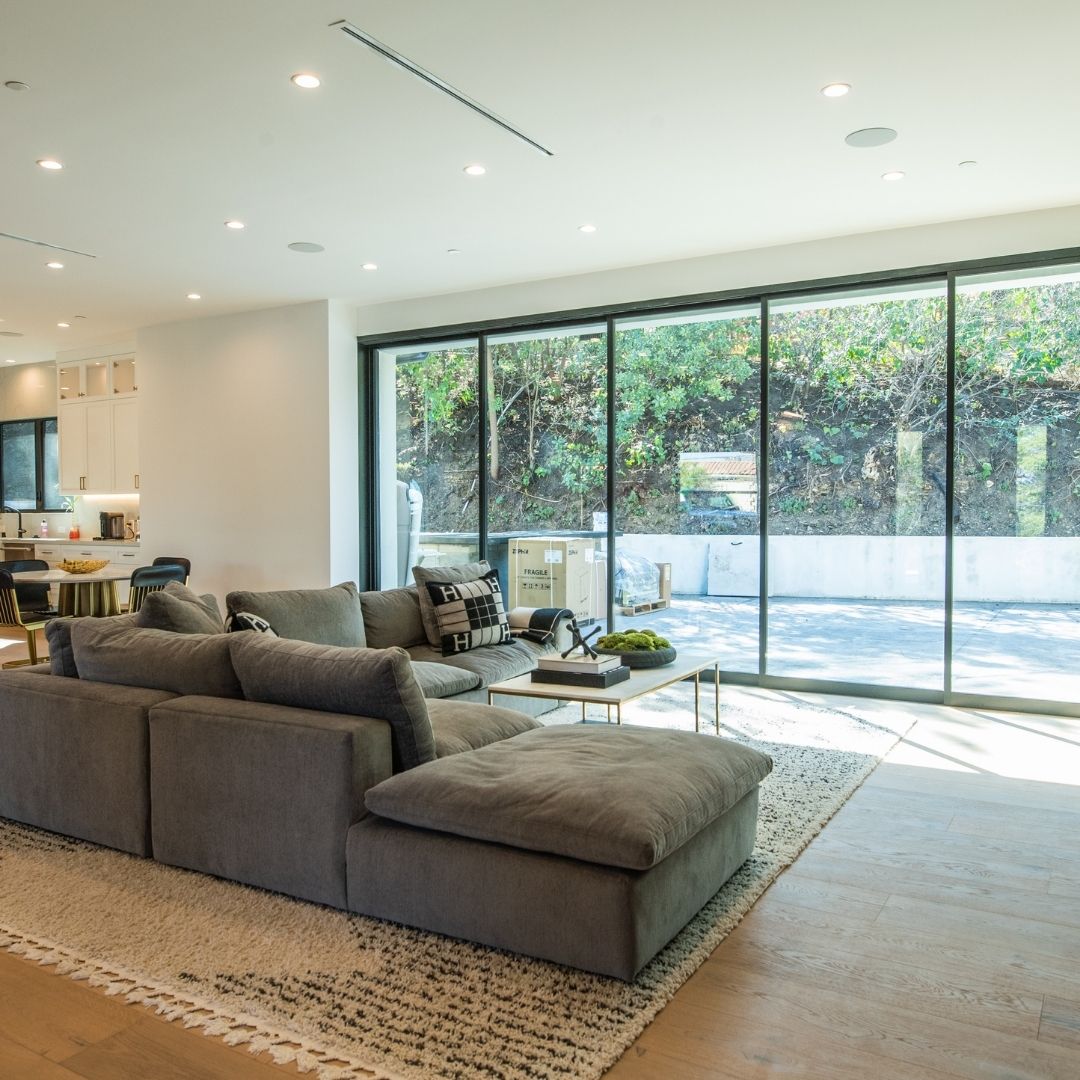
One of the most common goals in a Los Angeles kitchen remodel is creating a more open layout. Removing a wall between the kitchen and dining or living room can completely change the way the home feels. It can bring in more light, improve visibility, make the space better for entertaining, and help parents stay connected to children while cooking.

Wall removal is often worth considering when:

  • The kitchen feels isolated from the rest of the home.
  • The dining room is underused because it is disconnected from the kitchen.
  • The kitchen is dark and lacks natural light.
  • The family wants a larger island or better seating area.
  • The current layout creates traffic bottlenecks.
  • The home feels smaller than it actually is because of unnecessary separation.

However, wall removal should never be treated casually. Some walls are load-bearing. Others may contain electrical wiring, plumbing lines, HVAC elements, or structural components. In Southern California, seismic considerations and local building codes also need to be respected.

That is why homeowners should work with a remodeling contractor that understands both design and construction. A wall can often be removed or modified, but it needs to be evaluated properly before demolition begins.

Los Angeles Kitchen Remodeling: Permits, Codes, and Older Homes

Kitchen remodeling in Los Angeles can involve more than design decisions. Depending on the scope, the project may require permits, inspections, electrical upgrades, plumbing updates, or structural review.

Permits may be needed when the remodel includes:

  • Moving or adding plumbing lines.
  • Changing electrical systems or adding new circuits.
  • Removing or modifying walls.
  • Changing windows, doors, or structural openings.
  • Updating ventilation or mechanical systems.
  • Making significant layout or structural changes.

Older homes can also come with hidden conditions. Once walls, floors, or cabinets are opened, the project may reveal outdated wiring, aging plumbing, uneven framing, water damage, subfloor issues, or previous work that was not done correctly.

This does not mean homeowners should avoid remodeling. It means the project should be planned with the right team from the beginning. A full-service contractor can help evaluate the home, coordinate the proper trades, manage permitting, and keep the project moving through the required stages.

A Practical Kitchen Remodel Checklist for Growing Families

Before starting a kitchen remodel, use this checklist to clarify what the new kitchen needs to accomplish.

Layout and Flow

  • Can two people comfortably cook or clean at the same time?
  • Is there enough space between the island and surrounding cabinets?
  • Do appliance doors open without blocking major walkways?
  • Is the refrigerator easy to access without interrupting the cooking zone?
  • Does the kitchen connect naturally to the dining or living area?

Storage

  • Is there enough pantry space for a family’s weekly groceries?
  • Are pots, pans, dishes, and utensils stored close to where they are used?
  • Can small appliances be stored without cluttering the counter?
  • Are corner cabinets, deep cabinets, and tall cabinets being used efficiently?
  • Is there a plan for school items, mail, chargers, or everyday clutter?

Lighting

  • Is there enough light over prep areas?
  • Does the island need pendant lighting or task lighting?
  • Would under-cabinet lighting improve function?
  • Can natural light be improved by opening the layout or changing windows?

Durability

  • Are the countertop materials realistic for daily family use?
  • Is the flooring durable and easy to clean?
  • Are cabinet finishes strong enough for heavy traffic?
  • Are hardware, hinges, and drawer systems built for frequent use?

Safety and Code

  • Does the remodel require permits?
  • Are electrical circuits adequate for the new appliances?
  • Is ventilation properly planned?
  • Are structural changes being reviewed before demolition?
  • Will the finished work meet local building requirements?

How EcoStar Remodeling & Construction Helps Simplify the Process

Kitchen remodeling can feel overwhelming because so many decisions and trades are involved. Homeowners may need help with design, planning, permits, material selection, demolition, framing, plumbing, electrical work, cabinetry, countertops, tile, flooring, inspections, and final details.

When these pieces are handled separately, the process can become stressful and disorganized. A full-service approach helps keep the project more coordinated from the beginning.

EcoStar Remodeling & Construction helps homeowners plan and complete kitchen remodeling projects by managing the major stages of the process, including:

  • Initial project consultation and space evaluation.
  • Kitchen layout planning and design direction.
  • Material guidance based on style, durability, and daily use.
  • Permit coordination when required by the project scope.
  • Demolition and construction management.
  • Coordination of plumbing, electrical, structural, and finish work.
  • Final walkthrough and workmanship review.

For homeowners, this type of support can make the remodel easier to understand and easier to manage. Instead of trying to coordinate every trade alone, the family works with a team that understands how each part of the project affects the next.

Why Workmanship Matters After the Remodel Is Finished

A kitchen remodel should not only look good on the day the project is completed. It should continue to function well after months and years of daily use.

Family kitchens experience constant wear. Cabinet doors are opened repeatedly. Drawers carry heavy cookware. Countertops handle spills, hot dishes, groceries, and school projects. Plumbing fixtures are used every day. Floors deal with foot traffic, dropped items, pets, and messes.

That is why workmanship matters. Proper installation, careful detailing, strong materials, and responsible project management all affect how the kitchen performs over time.

EcoStar Remodeling & Construction offers a 2-year workmanship warranty, giving homeowners added confidence after the remodel is complete. For families investing in a major kitchen renovation, that kind of protection is an important trust signal. It shows that the company is not only focused on completing the project, but also on standing behind the quality of the work.

Kitchen Remodeling Should Improve Daily Life, Not Just Resale Value

A kitchen remodel can add value to a home, but the best reason to remodel is often more personal. The kitchen affects how the family starts the day, how meals are prepared, how children interact with parents, how guests gather, and how comfortable the home feels during everyday routines.

A better kitchen can make mornings less chaotic. It can make cooking more enjoyable. It can reduce clutter. It can create a natural place for the family to gather. It can make the home feel more open, useful, and complete.

For growing families, that daily improvement is the real return on investment.

When the layout, storage, lighting, safety, and finishes are planned together, the result is more than a beautiful kitchen. It becomes a space that supports the way the family actually lives.

Frequently Asked Questions About Kitchen Remodeling in Los Angeles

What should I fix first in an older kitchen?

Start with layout, storage, lighting, and infrastructure. Finishes are important, but they should come after the functional plan. If the kitchen is cramped, poorly lit, or difficult to move through, new countertops alone will not solve the problem.

Do I need a permit for a kitchen remodel in Los Angeles?

It depends on the scope of work. Cosmetic updates may not require the same approvals as projects involving plumbing, electrical, wall removal, structural changes, or major layout changes. A qualified remodeling contractor can help determine what is required before work begins.

Is it worth removing a wall to create an open kitchen?

It can be worth it if the current kitchen feels closed off, dark, or disconnected from the rest of the home. However, the wall must be evaluated first. If it is load-bearing or contains mechanical systems, the project will require proper planning and possibly structural work.

What kitchen features are best for families?

Useful family-focused features include a large island, deep drawers, pull-out pantry storage, durable countertops, layered lighting, easy-to-clean flooring, safe appliance placement, and a small drop zone for everyday items.

How can I avoid stress during a kitchen remodel?

Start with a clear plan, realistic expectations, and a contractor who can manage the process from design through construction. The more decisions that are organized before demolition begins, the smoother the project can be.

Why choose a full-service remodeling company?

A full-service remodeling company can coordinate design, permits, materials, construction, inspections, and finishing details. This helps reduce confusion and makes the project easier for homeowners to manage.

Plan a Kitchen That Works for the Way Your Family Lives

If your kitchen feels too small, too crowded, too dark, or too difficult to use, the solution may be more than a simple cosmetic update. A thoughtful kitchen remodel can improve the way your entire home functions.

EcoStar Remodeling & Construction helps homeowners create kitchens that are practical, durable, comfortable, and designed for real family life. From layout planning and permits to construction and final details, the team can guide the project from the first idea to the finished space.

Ready to remodel your kitchen? Contact EcoStar Remodeling & Construction to schedule a consultation and start planning a kitchen that supports your family today and for years to come.

EcoStar Remodeling & Construction

EcoStar Remodeling & Construction has been delivering trusted, high-quality home renovations since 2010. From kitchens to full home remodels, we bring craftsmanship, care, and lasting value to every project.

Opening Hours

Main Headquarters in
Los angeles

Dallas Office

Bay Office

Seattle Office

Opening Hours

Monday – Thursday8:00AM – 7:00PM
Friday:8:00AM – 2:30PM
Saturday:Closed
Sunday:8:00AM – 7:00PM