
You are about to paint the guest room, replace the flooring, or simply get on with the week, and then that same musty smell shows up again. The walls look clean. The ceiling looks normal. Nothing obvious is growing in the corner. That is what makes this situation tricky: if you cannot see mold, it is easy to wonder whether you are overreacting—or whether doing the next cosmetic step now will trap a hidden leak or moisture problem behind fresh finishes.
When we get this question, our first answer is usually simple: a persistent mold-like odor without visible mold often means moisture, contamination, or stale damp material is hiding somewhere you cannot easily see. The real issue is not whether you should wipe down a spot. It is whether the smell is coming from a small, contained problem or from concealed moisture damage that needs tracing before you pay for the wrong fix.
A musty odor is often the earliest clue that something in the home has stayed damp longer than it should. Sometimes that means light surface contamination in a bathroom or around a window. Other times it means moisture has moved behind drywall, under flooring, inside cabinetry, around an HVAC area, or into framing where the room still looks mostly normal from the outside.
That is why odor alone matters. Mold removal is not always just a cleaning question. If the smell is being fed by an active or repeated moisture source, removing what you can reach will not solve much. The odor tends to come back, the damaged area can spread quietly, and later repairs often become more disruptive because new finishes have to be reopened.
In Los Angeles-area homes, we also see homeowners assume the dry climate rules this out. It does not. A dry region can still have hidden roof entry points, old plumbing leaks, poorly vented bathrooms, AC condensation issues, window perimeter intrusion, and past repair patches that sealed over the symptom instead of solving the source.
Where hidden moisture tends to hide
If the smell keeps returning in one room or one part of the house, we think in pathways, not just surfaces. Older bathrooms are common trouble spots, especially around tubs, shower valves, toilet bases, and wall cavities that have seen years of steam or a slow leak. Window perimeters can also be deceptive. Trim and paint may look acceptable while moisture has been entering around the edges and feeding damage inside the wall.
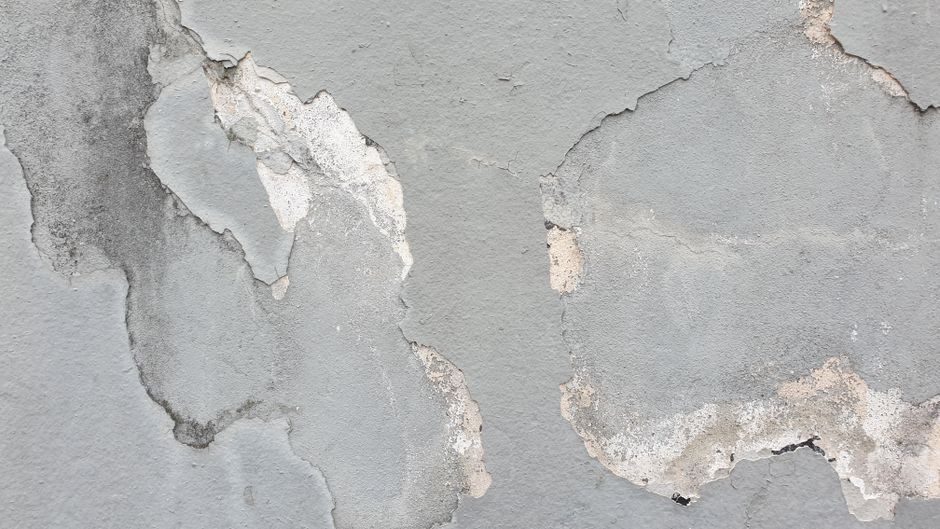
Roof-related entry points are another big one, especially before or after storm season. A small intrusion around flashing, a vent, or an aging roof transition may not create a dramatic ceiling stain right away. Instead, you get a faint recurring odor that seems stronger at certain times of day or after weather shifts. Laundry areas, water heater zones, condensate lines, and HVAC closets can behave the same way.
We are also cautious around slab-adjacent spaces, lower wall areas, and past remodel patches. A room that was repaired years ago may look finished, but if moisture was never fully traced, the smell can linger behind baseboards, under flooring, or inside enclosed cavities. That is one reason cosmetic remodeling sometimes uncovers a larger issue halfway through the job.
- Behind shower and tub walls
- Around windows, sills, and exterior wall corners
- Near roof penetrations and upper ceilings
- In laundry rooms, utility closets, and around water heaters
- At HVAC condensate lines, registers, or poorly ventilated returns
- Under flooring or along baseboards in previously patched areas
How we separate a minor issue from a bigger one
The fastest way to calm the uncertainty is to use a three-path framework. We do not want homeowners jumping straight to the biggest repair if they do not need it. But we also do not want them paying for simple cleanup when the smell is really warning them about hidden moisture.
- Limited cleanup and monitoring: This path makes sense when the odor is mild, localized, and tied to something you can explain, like an overlooked damp storage area, a washable bathroom surface, or temporary humidity buildup. If surfaces are accessible, there is no sign of ongoing water intrusion, and the smell improves quickly after cleaning and drying, the scope may stay small.
- Professional mitigation: If the odor is stronger, persistent, spreading, or associated with previous leaks, repeated humidity, or suspected contamination in porous materials, the safer move is professional mold mitigation. At that point, the issue is less about wiping and more about containment, safe removal of affected material, and preventing cross-contamination.
- Targeted opening to find concealed damage: If the smell keeps returning with no visible source, if finishes feel soft or warped, or if the area is near plumbing, roofing, windows, or HVAC pathways, materials may need to be opened strategically. This is often the right move when the hidden source matters more than the odor itself. Without that step, homeowners risk treating the symptom while the real damage stays buried.
The important distinction is scope. Mold removal can be the right answer in some cases, but not every odor problem is solved by removal alone. Sometimes broader mitigation is needed. Sometimes the real issue is concealed moisture damage that has to be found before any lasting cleanup or repair can happen.
What to do in the first 24 to 48 hours
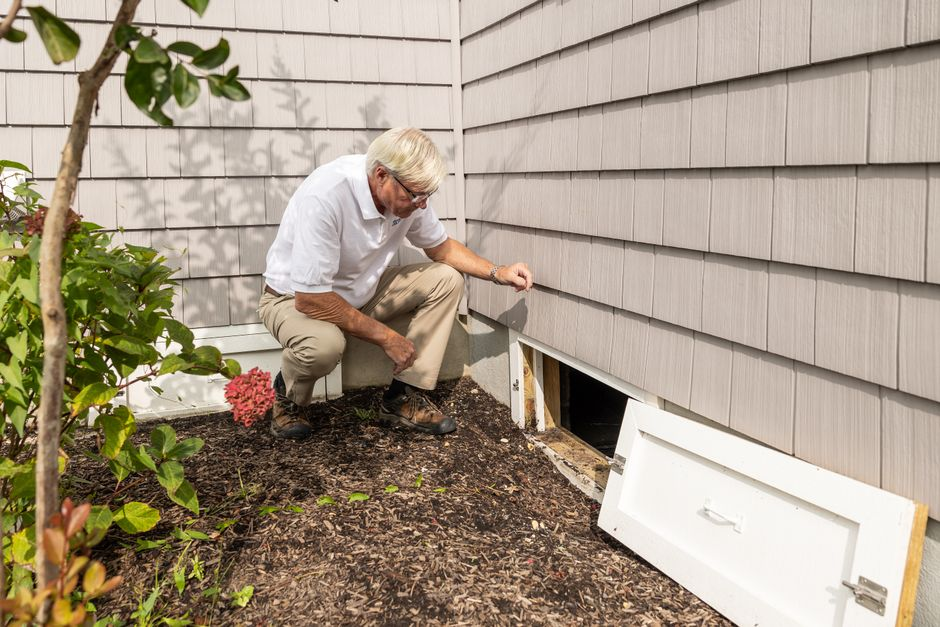
If you smell something musty and cannot see where it is coming from, slow down before you deodorize, paint, or keep remodeling. The first day or two should be about preserving clues and narrowing the source. We would rather inspect a room that still tells the truth than one that has been masked with primer, fragrance, or fresh flooring.
Start with the basics. Notice whether the odor is strongest after showers, after the AC runs, in the morning, near a window, or around a particular wall or cabinet. Check for subtle signs: peeling caulk, soft baseboards, swollen trim, cupped flooring, discolored grout, damp cabinet backs, or recurring condensation. If you have attic access or a utility closet nearby, look for staining, damp insulation, rust, or drip patterns.
- Document where and when the smell is strongest
- Pause painting, sealing, or installing new finishes over the area
- Run normal ventilation, but do not rely on scent-covering products
- Check nearby plumbing fixtures, window lines, roof-adjacent ceilings, and HVAC condensate areas
- Take photos of any staining, swelling, or soft material you find
- Stop active remodel work if demolition or finish installation could bury the source
What should you avoid? Do not assume a clean-looking wall means a clean wall cavity. Do not paint over a suspicious area just to see if the smell goes away. Do not install flooring, cabinetry, or fresh drywall over a room that still smells wrong. Those moves can make the eventual fix larger and more expensive because they hide the path of the moisture and create duplicate labor later.
Why source-first investigation usually saves money
The false-savings trap in mold situations is easy to fall into. A homeowner pays for a surface cleanup, deodorizes the room, or keeps the remodel moving because nothing visible looks severe. Then the smell returns. Later, part of the wall has to be reopened, new trim comes back off, flooring gets pulled, or a bathroom upgrade pauses because the real moisture pathway was never addressed.
We approach this differently. When the odor suggests hidden damage, the lower-risk path is to trace the source first, judge the scope honestly, and coordinate whatever comes next. That may mean confirming whether this is a limited cleanup issue, whether containment and mitigation are necessary, or whether finishes need to be opened to expose damaged material and stop the intrusion at its origin.
That integrated approach matters because mold problems do not stay neatly inside one trade. A hidden moisture issue can touch drywall, framing, insulation, flooring, cabinetry, waterproofing, ventilation, and sometimes code-related repair decisions once walls are opened. EcoStar is built for that kind of reality. We help homeowners move from investigation to controlled repair and reconstruction without the usual handoff confusion that can slow the job down or leave gaps between diagnosis and rebuild.
Questions homeowners usually ask
Can hidden mold really happen in a dry Southern California climate?
Yes. Dry outdoor conditions do not prevent indoor moisture problems. Slow plumbing leaks, roof wear, window intrusion, condensate line issues, and poorly vented bathrooms can create exactly the kind of concealed dampness that produces a musty odor.
Is odor alone enough reason to investigate?
If the smell is persistent or keeps returning in the same area, yes. Odor alone does not prove the full scope, but it is often enough to justify a closer look, especially near bathrooms, windows, roofs, laundry zones, or HVAC pathways.
Could this still be a small issue?
Absolutely. Some cases do stay limited. The point is not to assume the worst. The point is to avoid assuming the smallest fix before you know whether moisture is still present or trapped behind materials.
Can cosmetic remodeling make the problem worse?
Yes. New paint, flooring, trim, or cabinetry can cover the evidence, trap moisture, and create rework if the source is found later. If a room smells musty before finishes go in, that is usually the moment to pause and confirm what is behind the odor.
When does mold removal become a bigger repair issue?
When the smell is tied to ongoing moisture, affected porous materials, concealed wall or floor cavities, or structural repair needs after opening the area. At that point, cleanup alone is not the whole job. The home may need mitigation, material removal, and coordinated reconstruction to solve the problem fully.
If that musty smell keeps showing up and you cannot find a visible source, the safest next move is usually not to guess. It is to trace the odor before rain, AC condensation, or ongoing remodeling expands the scope. When the issue points to hidden damage, we help homeowners take the practical path: find the source, control the problem correctly, and carry repairs through so the house is not left with a temporary fix disguised as a finished one.