
The first hard rain after a long Los Angeles dry stretch has a way of making roof problems feel sudden. A faint stain appears near a skylight. Water shows up along a ceiling line by a vent. A gutter that seemed fine all summer starts spilling over at the corners. El Niño gets attention for the weather side of that story, but for homeowners, the more useful question is simpler: if this winter turns wetter, what weak spots will your roof reveal first?
In plain English, El Niño is a climate pattern tied to Pacific Ocean temperatures and wind patterns that can shift storm behavior. It does not mean Los Angeles will see nonstop rain, and it does not guarantee severe damage on every home. What it can do is increase the chances of a wetter, stormier season in Southern California. That is why El Niño roof preparation Los Angeles homeowners do now matters so much. A roof that has handled months of heat, UV exposure, and dryness may not stay trouble-free once repeated rain starts testing every seam, edge, and drainage point.
We see this pattern often in Los Angeles. Roofs spend long stretches under sun and heat, and that kind of exposure quietly ages materials. Sealants dry out. Flashing can loosen. Shingles can crack or curl. Tile can shift just enough to create an opening. Flat roofs can develop drainage issues that stay easy to ignore until water sits where it should have moved off quickly.
That is why the first major storm is often the real test. A roof can look fine from the yard and still have vulnerable areas that only show themselves under sustained rain. Once water gets in, the damage rarely stays limited to the roof surface. It can spread into insulation, drywall, ceilings, trim, and in some cases even electrical areas. The smartest time for roof maintenance before rain is before storms arrive, not after moisture has already entered the home.
What to check before heavy rain arrives
If you want to prepare your roof for heavy rain, start with the basics that most often lead to preventable leaks and overflow. Some of this is homeowner upkeep, and some of it is best handled through a professional roof inspection Los Angeles homeowners can rely on before winter weather picks up.
- Schedule a professional roof inspection if your roof has not been checked recently.
- Clean gutters and downspouts so water can move off the roof properly.
- Look for cracked, loose, lifted, or missing shingles or tiles.
- Check around vents, skylights, chimneys, and roof edges for visible wear or separation.
- Inspect attic ceilings and upper interior ceilings for old water stains, musty spots, or signs of previous leaks.
- Trim nearby branches that could scrape roofing materials or drop debris into drainage areas.
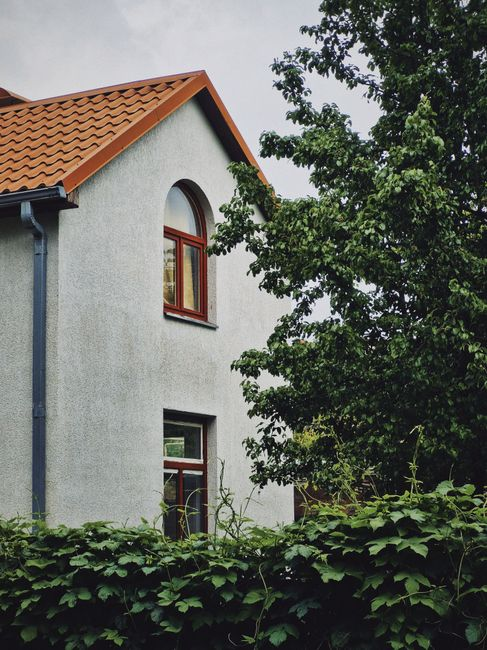
That checklist is simple on purpose. The goal is not to turn you into a roofer. It is to catch the kind of small issues that become expensive once repeated rain starts pushing water into the wrong places.
Where roofs usually fail first
One of the biggest misconceptions we correct is the idea that leaks usually come from the middle of the roof. In reality, many leak paths begin at transitions, penetrations, and drainage points. These are the parts of the roof where materials meet, change direction, or rely on flashing and sealants to stay watertight.
Common trouble spots include valleys that channel water downhill, vents that penetrate the roof surface, skylights with aging seals, chimneys where flashing may have separated, and roof edges where wind-driven rain can exploit weak details. Gutters and downspouts matter too. If they are clogged, water can back up and push into fascia areas, under roofing materials, or toward the walls below.
For flat or low-slope roofs, flat roof drainage Los Angeles issues deserve extra attention. Ponding water is never something we like to dismiss. If water sits too long after a storm, or if drains and scuppers are blocked, the roof stays under stress longer than it should. That increases the chance of membrane wear, seam failure, and hidden moisture intrusion.
How hidden wear turns into visible damage
Heavy rain does not usually create a roof problem out of nowhere. More often, it exposes one that has been developing quietly. A brittle shingle may have been close to failing for months. A tile may have shifted slightly after heat cycles and wind. Flashing around a vent may have already begun separating. El Niño conditions simply raise the odds that those existing weak points get tested harder and more often.
That matters because water travels. The stain you see on a bedroom ceiling may not be directly under the original entry point. Moisture can move along underlayment, wood framing, or drywall before it becomes visible indoors. By the time a leak shows inside, the roof issue may be larger than it looked at first glance. That is one reason early roof repair before winter rain is almost always easier and less disruptive than waiting for an emergency call during a storm.
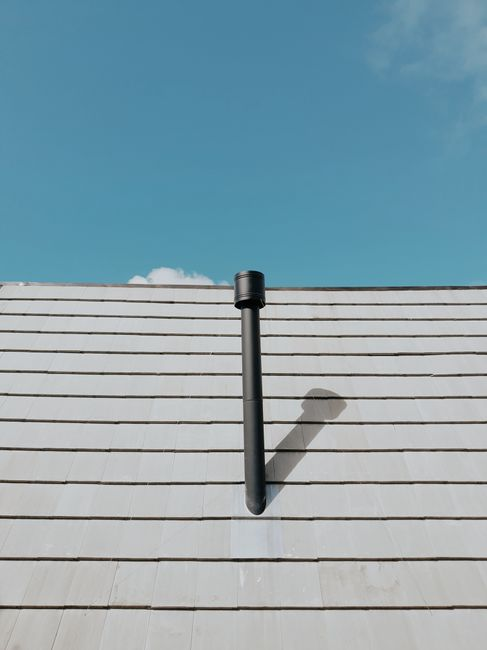
A few common Los Angeles roof scenarios
An older shingle roof may look mostly intact from the ground, but if shingles are drying out, cracking, or lifting at the edges, a wetter winter can quickly turn that wear into active leaking. In that case, a professional inspection helps determine whether you are dealing with isolated repairs or broader age-related vulnerability.
A tile roof can be tricky because one or two loose or cracked tiles may not seem urgent in dry weather. But if water gets beneath the tile system, underlayment and flashing details become critical. Small tile movement around valleys, ridges, or penetrations is worth addressing before storms arrive.
A recurring ceiling stain is another situation we take seriously, even if it has been dry for months. Old stains often get ignored because they stop changing in fair weather. Then the first significant rain brings them back to life. If you have seen discoloration around a vent, chimney, or skylight before, that is a strong sign to schedule a fresh inspection now.
On a flat roof, standing water after even a light rain is an especially useful warning sign. It points to drainage trouble, low spots, or blocked outlets that can become much more problematic during a stormier season. In Los Angeles, where many homes and additions have low-slope sections, this is one of the most important issues to catch early.
What you can handle yourself and when to call us
Reasonable homeowner upkeep includes things like gutter cleaning before a storm, checking for obvious debris buildup, looking for visible missing materials from the ground, and paying attention to interior warning signs such as stains or musty smells. Those are practical steps, and they can reduce avoidable problems.
But once the issue involves aging flashing, suspected leaks, cracked tile, shingle damage, soft spots, drainage problems, or anything on a roof that feels unsafe to access, it makes sense to bring in a licensed professional. We approach these situations as prevention first. A proper inspection can document where water is most likely to enter, identify repair priorities, and help you avoid the much larger cost of storm roof damage Los Angeles homes often face when small roof issues are left alone.
That is especially true if your roof has not been inspected recently, if you have had past leaks, or if you already know your gutters, drainage, or flat-roof runoff are not performing well. As a Los Angeles roofing company with a broader remodeling and construction background, we look at the roof not just as a surface problem but as part of protecting the whole home from avoidable interior damage.
Questions homeowners often ask before storm season
Does El Niño mean my roof will definitely leak?
No. El Niño does not guarantee constant storms or roof failure. It simply increases the chance of a wetter season in Southern California, which means any existing weak spots on the roof are more likely to get exposed.
How early should I schedule a roof inspection?
Ideally, before the first major winter rain. That gives you time to identify needed maintenance or repairs without the urgency, cost, and scheduling pressure that often come once storms are already underway.
Is a small old ceiling stain still worth checking?
Yes. Even if it has been dry for months, an old stain can point to a previous leak path that may reopen during heavier rain. We recommend treating recurring or unexplained stains as a reason for inspection, not as something to wait on.
What is the biggest flat-roof warning sign?
Ponding water is high on the list. If water sits too long after rain, or if drains and scuppers are clogged, the roof is staying wet longer than intended. That raises the risk of membrane wear and moisture intrusion.
You cannot control whether this season brings more rain, but you can control whether your roof goes into it unchecked. If you have noticed past leaks, water stains, clogged gutters, loose roofing materials, or drainage problems, now is the time to act. We encourage Los Angeles homeowners to schedule a roof inspection before the next heavy rain season so hidden weaknesses can be found and repaired before they turn into interior damage and emergency repair costs.