
Cabinets are being ordered, backsplash samples are on the counter, and someone says the painters can just come in at the end. It sounds harmless until you realize nobody has fully settled where the tile will stop, whether under-cabinet lighting is changing, or how much wall repair the room actually needs. That is the moment a kitchen remodel can quietly set itself up for repainting, patch marks, and trade handoff headaches.
In our experience, paint should wait until the kitchen’s layout, cabinet placement, backsplash boundaries, lighting and electrical changes, wall repair standards, and finish scope are locked. In a kitchen remodel, paint is not an isolated cosmetic task. It is a downstream finish, which means earlier decisions shape where paint goes, how clean the lines look, and whether the walls are truly ready for primer and finish coats.
Most homeowners understandably think of paint as one of the last visible steps, so it feels flexible. The problem is that a kitchen has more overlap between trades than many other rooms. Cabinets determine what wall areas stay exposed. Backsplash tile defines where paint ends and hard surfaces begin. Electricians may open or reopen walls for switches, sconces, pendants, or under-cabinet lighting. Drywall repair can range from a simple patch to a larger correction if an older wall is uneven or damaged.
When those decisions are still moving, paint crews either guess or wait. Guessing leads to visible flaws: awkward cut lines above tile, patched areas that flash differently in certain light, or fresh paint damaged by later cabinet or electrical work. Waiting without clear coordination leads to delays and finger-pointing. One trade thinks touch-ups belong to another. A homeowner ends up paying twice for prep that should have been done once.
We like to frame this simply: the goal is not just to avoid repainting. The goal is to protect the finished look of the kitchen. Cleaner cabinet reveals, smoother transitions at the backsplash, more even wall texture, and fewer callbacks all come from locking the right decisions before paint begins.
The first group of decisions is about what the kitchen will physically look like once cabinets, tile, and fixtures are in place. If those items are still changing, the exposed wall areas are still changing too.
Cabinet layout is the big one. If upper cabinets shift in width or height, if a pantry gets resized, if a filler strip appears, or if a soffit is removed or added, the visible paint areas around those elements change with it. A wall that looked like it needed only minor touch-up may end up needing full-surface repair and paint once the final cabinet plan is installed. This matters even more in older Los Angeles-area homes, where walls are not always perfectly flat and previous patchwork may appear once new cabinet lines expose different sections of the wall.
Backsplash planning also has to be settled early enough. Before painting, the team should know how high the backsplash will run, where it will end, and whether it wraps a window, reaches the underside of cabinets, or stops at a specific return. A short backsplash, a full-height splash, and a slab backsplash all create different paint boundaries. If that edge is vague, wall prep and finish expectations become vague too.
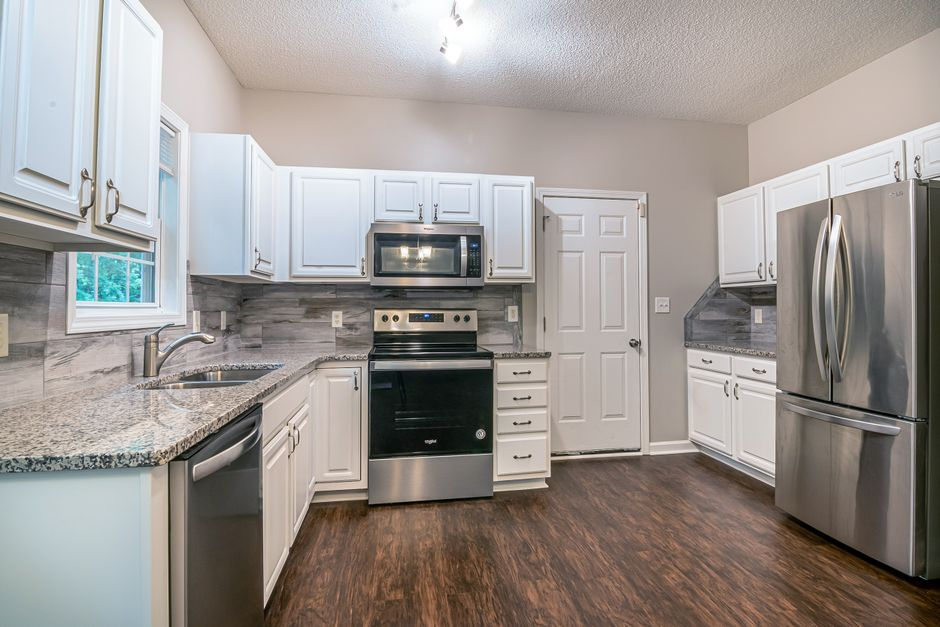
Lighting choices affect appearance more than many homeowners expect. Under-cabinet lighting, wall sconces, pendant adjustments, and switch relocations all change what gets cut, patched, skimmed, and repainted. They also change how flaws are revealed. A wall that looked acceptable under older ambient lighting may suddenly show seams or uneven texture once directional task lighting is added. That is why we do not treat lighting as separate from paint readiness in a kitchen remodel.
Even trim and transition details matter. If the remodel changes casing, adds floating shelves, removes a soffit, or introduces a different material transition near a breakfast area, those are all finish-line decisions. Once they are set, the paint scope can be defined correctly instead of treated as a moving target.
What to resolve in construction before primer and finish coats
After the design decisions are locked, the next question is whether the walls are actually ready. This is where construction sequencing becomes just as important as color choice.
Electrical and lighting rough-in work needs to be complete before the walls are considered paint-ready. If fixture locations, switch banks, dimmers, outlet moves, or under-cabinet lighting routes are still under discussion, wall closure is premature. In Southern California remodels, especially when electrical changes are part of permitted work, inspection timing can also affect when walls can be fully closed and repaired. Painting before those steps are complete is one of the fastest ways to create avoidable rework.
Drywall closure and repair standards should be equally clear. Not every patch is the same. A small cut for wiring is one thing; a larger opening after layout changes or hidden-condition discovery is another. Before paint starts, we want agreement on repair depth, surface flatness, corner condition, and texture matching. If the room has orange peel, hand texture, or prior patchwork from older renovations, those details should be addressed before anyone treats the surface as ready for primer.
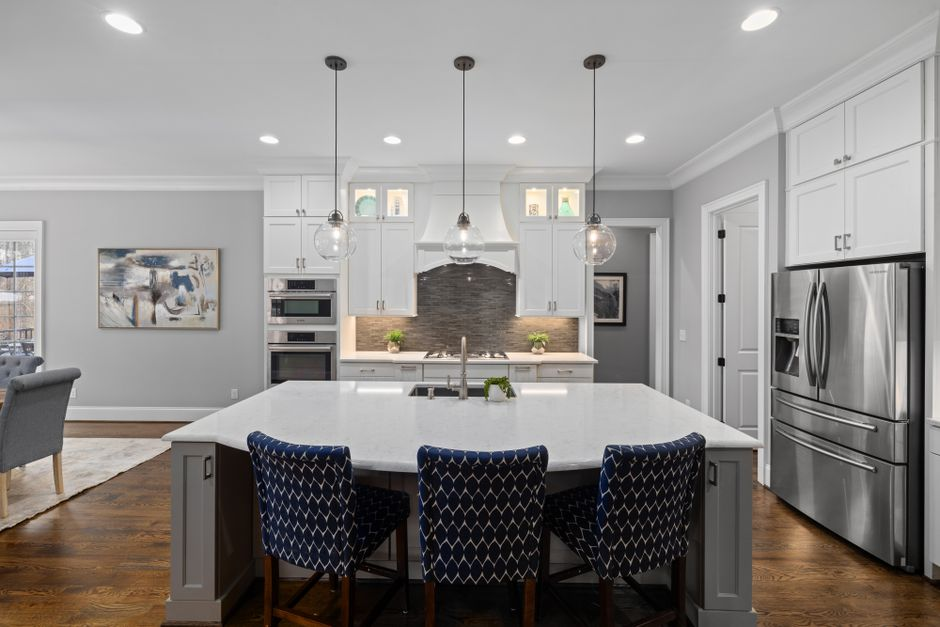
Older homes add another layer. In many Los Angeles-area kitchens, once work begins, we may find uneven framing, outdated wiring, out-of-plumb walls, or multiple generations of prior repairs. None of that means the project is in trouble. It does mean a “paint now, fix later” mindset can get expensive fast. Paint does not hide wall irregularities that cabinets, lighting, and tile will emphasize. In fact, better finishes often make underlying prep problems more visible.
Surface protection planning belongs here too. If cabinets are already installed, if countertops are in place, or if appliances are staged nearby, the paint team needs a clear protection plan. That includes masking expectations, dust control, sequencing around other finish trades, and a realistic touch-up process after final installs. Good results usually come from one coordinated schedule, not from each trade trying to squeeze in around the others without a shared plan.
What to confirm in writing before paint begins
Before primer or finish paint goes on, we recommend getting a compact pre-paint sign-off in writing so expectations are not left to memory.
- Final cabinet layout, filler locations, soffit changes, and any shelves or trim that affect exposed wall areas
- Backsplash height, stopping points, returns, and whether paint extends above, beside, or behind specific areas
- Confirmed lighting and electrical changes, including under-cabinet lighting, switch moves, and fixture locations
- Wall repair scope, including patch size expectations, skim coating if needed, texture matching, and surface prep standards
- Paint details such as color, sheen, cut-in lines, and which surfaces are included or excluded
- Protection and touch-up ownership, including who protects finished surfaces and who handles final touch-ups after cabinets, tile, and electrical trim are complete
That written clarity matters because many finish disputes are really scope disputes. If nobody documented the cut line, the repair standard, or touch-up responsibility, the homeowner is left sorting out whose assumption was supposed to win.
Common mistakes that lead to visible rework
One of the most common problems we see is painting before under-cabinet lighting is fully finalized. The walls get painted, then the electrician adjusts locations or adds channels, and now there are fresh cuts and patches exactly where task lighting will highlight them most.
Another frequent issue is leaving backsplash decisions too loose. A homeowner may know the general tile style but not the exact height or stopping point. The wall gets painted as if the tile will cover more area than it eventually does, and now a visible strip needs additional prep or a rushed color match.
Cabinet revisions also create avoidable finish problems. If measurements, fillers, or installation details change after paint scope was assumed, newly exposed wall areas can look flatter, rougher, or simply different from the rest of the room. That mismatch is especially noticeable near cabinet edges and in natural daylight.
Then there is the older-home scenario: a wall is declared “good enough” before final lighting, tile lines, and cabinet reveals are considered together. Once everything is installed, the slight bow, old patch, or uneven texture becomes obvious. At that point, fixing it usually means protecting completed work, doing careful patching in a finished kitchen, and repainting in a much tighter space.
Practical questions homeowners ask us
Should kitchen walls be painted before or after cabinets?
Usually after the cabinet layout is finalized and major wall work is complete, but the exact sequence depends on the project. Some primer or base work may happen earlier in certain areas, yet final wall paint should generally wait until cabinet placement, exposed wall sections, and related repairs are fully defined. The important point is not chasing a rigid rule; it is making sure paint follows stable decisions.
Can painting happen before the electrical permit or inspection is finished?
That is risky if electrical changes still affect wall closure or fixture locations. In many kitchen remodels, especially in older Southern California homes, permit and inspection timing can determine when drywall repair is truly complete. If walls may need to be reopened or adjusted, final paint is better held until that phase is cleared.
What should the contract say about prep and touch-ups?
It should identify the repair scope, texture expectations, included surfaces, paint sheen, cut-in lines, protection plan, and who owns final touch-ups after cabinets, tile, and electrical trim are installed. We find that this kind of written specificity prevents a lot of stress because it removes gray areas before the finish phase begins.
Does this matter more in older homes?
Yes. Older kitchens often come with uneven walls, prior patchwork, outdated wiring, and hidden conditions that only become clear once planning turns into construction. Those variables make coordinated sequencing even more important if you want the finished kitchen to look intentional instead of pieced together.
If your kitchen remodel includes cabinets, backsplash, lighting, and wall repair, the smartest move is to treat paint as the finish it really is: the result of good decisions made earlier, not a simple last-minute add-on. That is exactly where a coordinated team like EcoStar can make the process cleaner, calmer, and far less expensive to get right.