
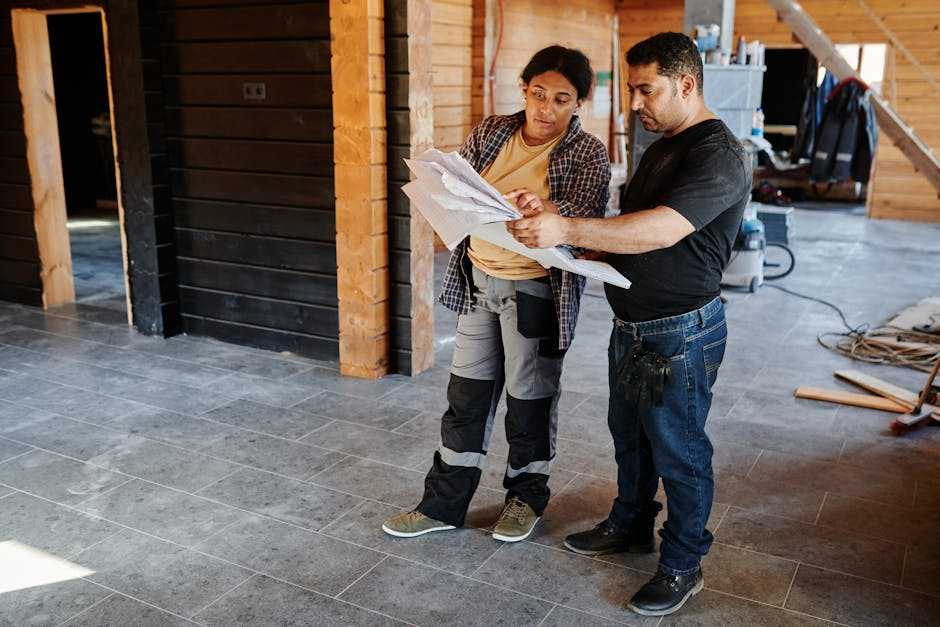
The tile comes off, a section of drywall opens up, and suddenly the whole room changes. What looked like a straightforward bathroom or kitchen renovation now has dark staining inside the wall, a musty smell, and a question nobody wants to answer on the fly: do we keep going, or do we stop before this gets more expensive and more disruptive?
When we see mold uncovered during demolition, we treat it as a renovation triage moment, not a cosmetic surprise. The first move is not to scrub it, spray it, or push the schedule forward. The first move is to slow the project down, protect the home from unnecessary spread, document what was found, and get a coordinated assessment that can guide both mold removal and the rebuild.
Found mold behind an opened wall?
Before demolition continues, get a professional evaluation to help define the scope, identify the moisture source, and map out the right next steps for both cleanup and reconstruction.
Mold behind an opened wall is different from a scuffed cabinet or outdated tile because it usually points to a moisture story, not just a surface problem. In kitchens and bathrooms, that story may involve a leaking supply line, a failed drain connection, long-term shower intrusion, poor ventilation, or older materials that stayed damp for too long. Once the wall is open, disturbed material can affect adjacent areas, and rebuilding too early can trap the same problem back inside the finished space.
This is where homeowners often lose time and money without realizing it. If demolition continues before the scope is understood, the contamination can spread, more materials may need to be removed later, and trades can end up working out of sequence. That is how a remodel turns into reopened walls, duplicated labor, timeline drift, inspection problems, and budget creep.
We prefer to treat the discovery as a decision point: contain the situation, figure out how far it goes, identify why it happened, and only then rebuild. That order protects the home and gives the project a real path forward.
If mold appears during demo, pause work in that area. That does not necessarily mean every part of the house must freeze, but the affected bathroom, kitchen, or adjoining section should not keep getting torn apart casually while people guess at the scope. The goal is to avoid making a localized issue broader through extra disturbance, dust, or airflow.
Next, avoid the common instinct to clean it yourself with household products. Spraying chemicals or wiping visible growth does not answer the bigger questions of where the moisture came from, whether adjacent materials are affected, or whether more of the problem is hidden behind finishes, cabinets, subflooring, or neighboring wall cavities. DIY cleanup in the middle of an active renovation can also make later assessment harder because it muddies the original conditions.
Document what was found before anything else changes. Take clear photos and video of the exposed area, nearby staining, damaged materials, plumbing locations, and any visible signs of leaks or rot. If there is a recent history of slow drains, recurring caulk failure, bubbling paint, warped baseboards, or a persistent musty odor, make note of that too. Those details help shape the next steps and can prevent avoidable backtracking.
Then arrange a professional evaluation that looks at the full sequence, not just the stain on the wall. Depending on the situation, that may involve reconstruction planning, moisture-source diagnosis, plumbing review, and where needed, specialized remediation or hygiene support. What matters is that the assessment leads to a coordinated plan for both removal and repair, so the room is not left in limbo between disconnected trades.
How to tell whether the issue may be small or more extensive
Some discoveries stay limited to one area. Others turn out to be part of a longer-running problem that affects neighboring assemblies, framing, insulation, cabinetry, or flooring. In the first day or two, homeowners do not need to become mold experts, but it helps to know what tends to signal a broader issue.

A more contained problem may look like staining concentrated around one known plumbing point or a small section tied to a very specific failure. A broader problem is more likely when the odor extends beyond the opened wall, materials feel soft or deteriorated, staining climbs vertically or spreads laterally, there is evidence of repeated water exposure, or nearby rooms show related symptoms. Bathrooms with long-term shower leaks and kitchens with slow unnoticed cabinet leaks are especially prone to damage that extends beyond the first visible patch.
Age matters too. In older Southern California homes, a kitchen or bathroom remodel often exposes layers of prior repairs, aging plumbing, ventilation shortcomings, and concealed moisture damage that was hidden by finishes for years. If the area has a history of recurring moisture complaints, it is safer to assume the visible section may not be the whole story until proper assessment says otherwise.
The order that keeps the project from unraveling
Once mold is discovered, the safest path is a sequence problem as much as a cleanup problem. If the order is wrong, the remodel can spiral. If the order is right, the project becomes manageable again.
First comes assessment. We need to understand what was exposed, what materials are involved, how far the impact may extend, and what immediate protections are needed around the area. That early read helps define whether the issue is limited or whether more openings, moisture investigation, or specialized remediation steps may be necessary.
Second comes source correction. Visible mold is evidence, not the root cause. If a leak, drainage failure, enclosure problem, or ventilation issue is still unresolved, rebuilding is premature. The space has to stop getting wet before anything new goes back in.
Third comes removal and drying in the appropriate scope. That may include controlled demolition of affected materials, cleanup measures suited to the conditions found, and verification that the area is dry and ready for reconstruction. The exact approach depends on the situation, but the principle stays the same: damaged and moisture-affected materials are addressed before finish work resumes.
Only after that should reconstruction begin. This is where integrated project handling matters. The same discovery that triggers mold removal often changes finish selections, wall assemblies, plumbing access, schedules, and sometimes permit or inspection needs. Rebuilding works best when those realities are incorporated into the remodel plan instead of handed off as an afterthought.
Before help arrives, keep it simple
- Do pause demolition in the affected area.
- Do keep family members and pets away from the exposed section.
- Do photograph visible conditions and note any leak or odor history.
- Do avoid running a casual cleanup effort with sprays, scrubbing, or extra cutting.
- Do not close the wall back up just to keep the remodel moving.
- Do not assume the visible patch is the entire problem.
Why a coordinated team usually saves the most stress
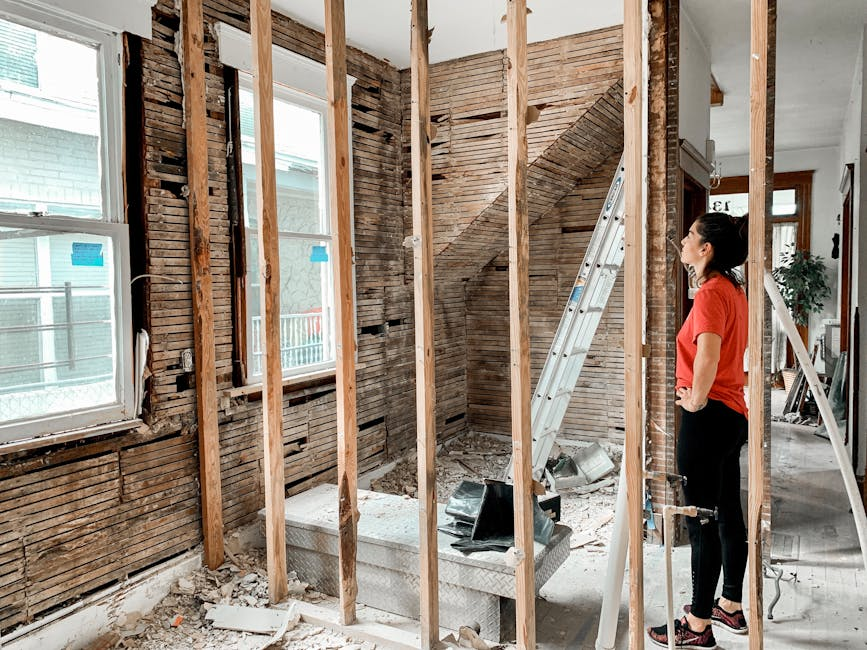
This is where many renovation projects get stuck. One party looks at the mold. Another looks at the leak. Someone else handles demolition. A separate contractor prices the rebuild. Then the homeowner is left trying to connect scope, schedule, responsibility, and cost while the room sits unfinished.
We take a different approach because mold discovered during renovation is rarely just one trade’s problem. It affects demolition limits, moisture correction, reconstruction planning, material decisions, and in some cases permit or inspection sequencing. In Los Angeles-area remodeling, where older homes, tight schedules, and code expectations often collide, one coordinated team can reduce the handoff gaps that lead to blame-shifting and rework.
For homeowners, that means fewer chances of rebuilding too soon, fewer surprises when walls need to stay open longer, and a clearer understanding of what the project now requires. EcoStar’s value here is not just mold removal in isolation. It is the ability to connect the discovery to the full repair path, from safe next steps to the finished kitchen or bathroom.
Common questions at this stage
Does all work need to stop immediately?
Not always every part of the project, but work in the affected area should pause until the condition is assessed. Continuing demolition around visible mold without a plan is one of the fastest ways to expand scope and create avoidable cleanup and rebuild delays.
If the spot looks small, can I handle it myself?
What looks small on the surface can still reflect hidden moisture damage behind finishes or in adjacent materials. During an active remodel, DIY disturbance is risky because it can spread debris, obscure the original condition, and delay the right repair sequence. It is smarter to get the area evaluated before deciding the issue is minor.
When do permits or inspections matter?
That depends on how much of the assembly, plumbing, electrical, or structure is affected and what has to be rebuilt. Once mold discovery expands demolition or changes the scope of the renovation, permit and inspection requirements may come into play. That is another reason coordinated assessment and reconstruction planning matter early.
Get the project back under control
If mold shows up behind bathroom or kitchen walls, the safest move is to stop work in that area, avoid disturbing it further, document what was found, and get a coordinated evaluation before the remodel continues. The real goal is not just to remove visible mold. It is to correct the moisture problem, define the true scope, and rebuild in the right order so the room does not fail again.
At EcoStar, we help homeowners move through that sequence with less confusion and less rework. If your renovation just uncovered mold, this is the moment to slow it down and schedule a site evaluation that can address both mold removal and the rebuild plan together.
Get your remodel back on track with one coordinated team
EcoStar helps homeowners navigate mold discovery during kitchen and bathroom renovations with practical next steps, repair planning, and reconstruction support designed to reduce rework, delays, and costly guesswork.