
The air conditioner kicks on, the lights in the hallway dip for a second, and someone notices that the outlet behind the couch feels warmer than it should. The breaker has already tripped twice this month. In that moment, it is hard to tell whether the house is just being quirky or whether the electrical system is quietly telling you it is under more strain than it can safely handle.
We see this especially often in older homes and recently purchased homes, where the wiring, panel, and circuit layout may have been asked to do a lot more over time than they were originally designed for. A few symptoms that seem small on their own can point to a bigger issue behind the walls: overloaded circuits, aging conductors, poor grounding, patchwork additions, or an outdated panel that no longer matches how the house is actually used.
This advice is most useful for homeowners in older Southern California houses, especially if the home has had additions, kitchen upgrades, HVAC changes, garage conversions, home-office setups, or newer high-demand appliances added over the years. It also applies to recent buyers who are still learning the personality of the house and are not fully sure what was updated properly, what was pieced together, and what may never have been brought into a coordinated plan.
In many of these homes, the issue is not one dramatic failure. It is a pattern. Lights dim when another appliance starts. One room seems to trip more often than the rest. A switch buzzes. An outlet gets warm. Those are the moments when it makes sense to stop treating the symptom as a nuisance and start looking at the system behind it.
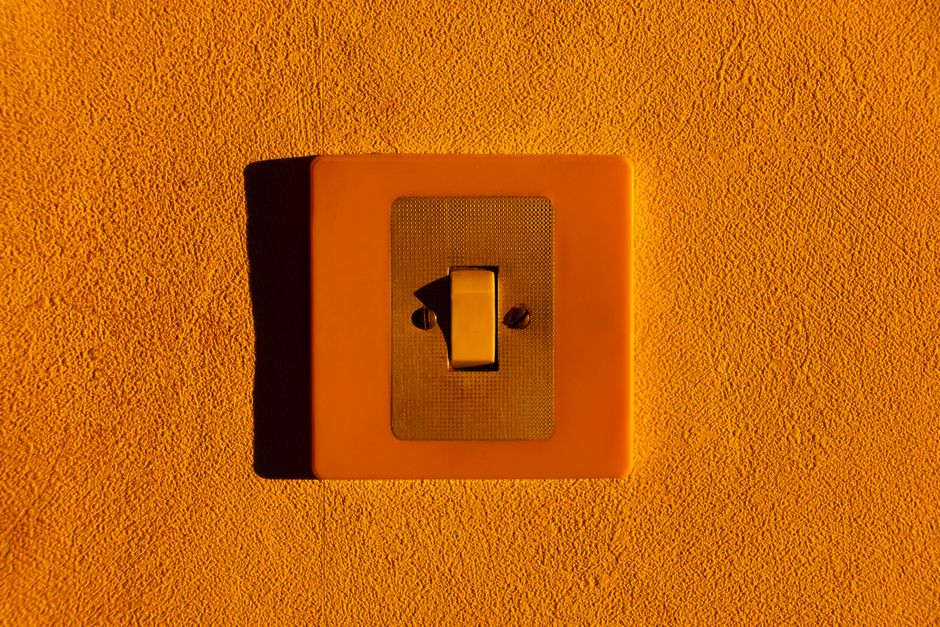
- Flickering or dimming lights: If it happens repeatedly, especially when larger appliances start, treat it as a sign of strain or a connection issue worth professional review.
- Warm outlets or switch plates: Stop using that outlet or switch until it can be evaluated.
- Buzzing sounds from outlets, switches, or the panel: Do not ignore it; electrical components should not normally buzz during regular use.
- Frequent breaker trips: A breaker that keeps tripping is doing its job, but repeated trips usually mean the circuit is overloaded or something deeper needs attention.
- Burning smell, scorch marks, or discoloration: Treat this as urgent and stop using the affected area or circuit.
- Mild shocks or tingling when touching devices or plates: This can point to grounding or wiring problems and should be checked promptly.
What these symptoms can mean in an older house
In an older home, electrical symptoms usually make more sense when we zoom out. The wiring may be old but still in service. The panel may have enough power on paper, yet the circuit distribution may no longer fit the way the house is used now. A previous owner may have added outlets, lighting, garage equipment, air conditioning, or kitchen loads without fully reworking the underlying system. That is how a house ends up with a few “problem spots” that are really clues to a broader mismatch.
Flickering lights can point to loose connections, circuit strain, or voltage drop when major equipment starts. Warm outlets can signal a poor connection, overload, or damaged device. Buzzing can suggest arcing or failing components. Repeated breaker trips often mean a circuit is carrying more than it should, but in older homes they can also reveal panel limitations, aging breakers, or a layout that was never updated as demand grew.
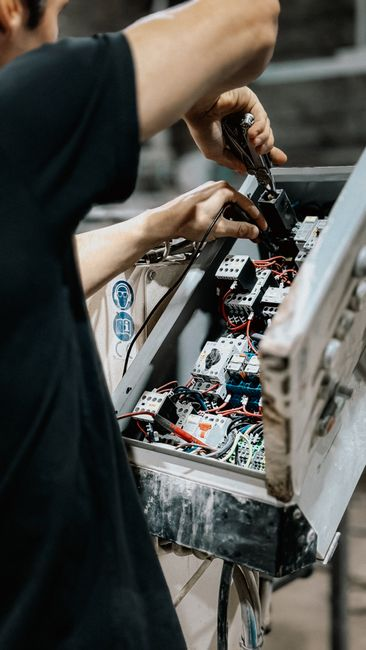
We are also careful with homes that may have legacy conditions, such as deteriorated wire insulation, outdated grounding, or aluminum branch wiring in some eras of construction. Homeowners do not need to diagnose those conditions themselves, but they should know that visible symptoms in an older house are not always isolated to the one outlet, fixture, or room where the problem first shows up.
What to do before the issue gets worse
The safest first move is not a trial-and-error fix. It is careful observation and reduced strain. If a certain outlet feels warm, stop using it. If a specific breaker trips when the microwave, portable AC, or space heater runs, avoid loading that circuit again until it is assessed. If lights dim when cooling equipment starts, make note of exactly what was running at the time. Those details help identify whether the problem is isolated, load-related, or system-wide.
It also helps to document patterns for a few days: which room, which device, what time, and what else was on. That does not solve the issue, but it turns a vague complaint into useful information. In older homes, good symptom tracking can reveal whether the real problem is one worn component or a house that needs panel work, new circuits, grounding improvements, or more extensive rewiring coordination.
What we do not recommend is opening devices, swapping breakers, replacing outlets repeatedly, or treating breaker trips as an inconvenience to work around. If the house is already sending warning signs, isolated DIY patching can miss the larger problem and delay the evaluation that actually protects the home.
When it is prompt-call serious and when it is urgent
Some symptoms mean schedule a licensed evaluation soon. Others mean stop using the affected area right away.
Call promptly if you notice a pattern
Repeated flickering in the same area, breakers that trip more than once, one room that seems overloaded by normal use, or an outlet that works inconsistently are all good reasons to arrange a professional inspection sooner rather than later. These are the kinds of problems that can lead to failed inspections, surprise wall-opening work, or more expensive repairs if they are left alone.
Treat it as urgent if there is heat, smell, sound, or visible damage
If you smell burning, see scorch marks, hear buzzing from the panel or an outlet, or feel noticeable heat at a switch or receptacle, stop using the affected circuit or area and treat it as urgent. The same goes for sparking, repeated immediate breaker trips, or signs that a device or plate has begun to discolor. At that point, the goal is not convenience. It is preventing a hazard from escalating.
Why this comes up so often in Southern California homes
Southern California has a lot of aging housing stock that has been adapted over decades. A house may have started with lighter electrical demand, then gradually taken on central air, larger kitchen appliances, backyard additions, office equipment, workshop tools, or EV-related plans without a full electrical rethink. Summer cooling loads can expose weak points quickly. So can move-in periods, when a family begins using more rooms and equipment at the same time than the previous owner did.
There is also the code and permit side of the issue. In Los Angeles-area homes, electrical work often intersects with inspections, access planning, finish protection, and the question of whether prior modifications were done to current standards. That is one reason we believe symptom-based triage should lead to a whole-system look, not just a one-off repair mindset. If walls eventually need to be opened, it is far better to understand the full scope before fresh paint, new cabinets, or other finish work goes in.
That broader planning matters even more when electrical concerns overlap with a larger home improvement goal. A house that needs safer circuits, panel upgrades, or coordinated access may benefit from being looked at through the same lens as other structural or renovation work, especially when preserving finished surfaces and staying permit-aware are part of the job.
Common questions homeowners ask
Is occasional flickering ever normal?
Brief, rare flicker can happen in some situations, but repeated flickering is not something we advise brushing off in an older home. If it happens when major equipment starts, in one repeated area, or alongside breaker trips or buzzing, it deserves attention.
Can one bad outlet point to a bigger electrical problem?
Yes. Sometimes the issue is local to that one device, but sometimes it is a symptom of a loose connection, overloaded circuit, poor grounding, or aging wiring elsewhere on the run. That is why we prefer a system-aware evaluation over replacing one outlet and assuming the story ends there.
Should I worry more after buying an older home?
If you recently bought an older home, it is smart to pay close attention to nuisance symptoms during the first weeks and months. New owners often discover electrical patterns only after they begin using the house differently. Small warning signs can reveal inherited work that was never fully updated or coordinated.
Should electrical issues be handled before cosmetic upgrades?
In most cases, yes. If there is any sign that circuits, outlets, panel capacity, or wiring condition may need work, it is smarter to address that before repainting, patching walls, installing cabinetry, or upgrading finishes that may later need to be reopened.
If your home has started showing these signs, the smartest next step is usually a licensed, whole-system evaluation that looks beyond the one visible symptom. That kind of review can clarify whether you are dealing with a minor repair, a load-distribution problem, a panel issue, grounding gaps, or a broader rewiring need. For homeowners who want a coordinated, permit-aware path that protects safety as well as finished spaces, EcoStar can help plan the right scope before the problem grows into a bigger disruption.