Cabinets are chosen, appliances are picked, demo is finally on the calendar, and then someone asks the question that changes the mood of the whole project: can the existing panel, circuits, and wiring actually support the new kitchen or renovation plan? We see that moment catch homeowners off guard all the time. A remodel that felt exciting suddenly feels risky, because the wrong answer can lead to failed inspections, surprise costs, and the kind of rework that tears back into finished walls.
That is why we treat electrical safety as a pre-remodel decision, not a punch-list issue. Before construction starts, it makes sense to verify the home’s electrical capacity, overall wiring condition, grounding, circuit layout, and permit implications. Those checks do more than protect safety. They protect your budget, your timeline, and the finished spaces you are investing in.
Before walls open and schedules lock in, EcoStar can help you evaluate wiring, panel capacity, grounding, permits, and renovation scope so hidden issues do not turn into expensive delays.
In plain terms, the goal is to answer a few big questions early. Is the existing system safe enough to build onto? Can it handle the new demand you are about to add? And if upgrades are needed, can they be planned before walls are open, cabinets are installed, and inspections are scheduled?
Homeowners often think of electrical work as outlets and switches, but remodel planning reaches much further than that. A kitchen update may add a larger refrigerator, a more powerful range, under-cabinet lighting, island outlets, microwave circuits, upgraded ventilation, and different code requirements than the room had decades ago. A full renovation can also change HVAC loads, room layouts, lighting plans, and where circuits need to run. If the electrical system is outdated or undersized, those changes do not stay confined to one wall. They affect permits, demolition scope, patch-back, scheduling, and final inspections.
That is the real reason early review matters. It is not just about finding dramatic hazards. It is about preventing the common project mistake of designing the finished space first and discovering the house cannot support it until after construction is underway.
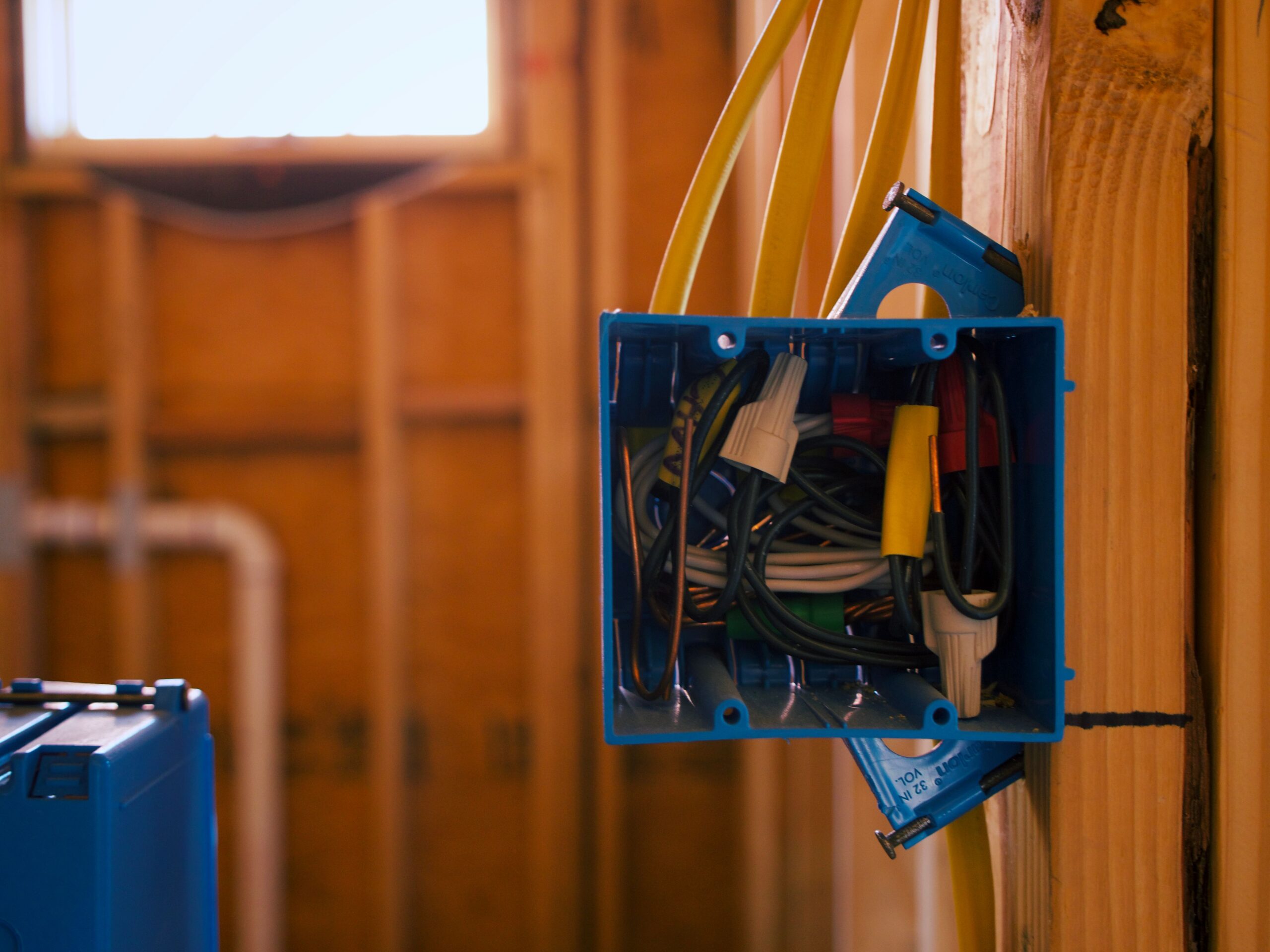
In many older Southern California homes, the biggest problems are not obvious from the hallway. The kitchen may seem to function fine today, but that does not mean the wiring is in good shape for a remodel. We regularly see homes with aging wiring methods, incomplete grounding, crowded panels, circuit layouts that made sense decades ago, and past alterations that were never well documented.
Some warning signs are easier to notice than others. Two-prong outlets can suggest ungrounded conditions. Frequent breaker trips can point to overloaded circuits. Lights dimming when appliances start may mean the system is struggling with demand. Warm outlet plates, buzzing, scorch marks, or a panel that already feels packed are all signs to pause and look more closely. Even if none of those symptoms show up, remodel plans themselves can expose weaknesses that daily life has not fully revealed yet.
Kitchens are especially important because they concentrate electrical demand in a relatively small area. What used to be a modest cooking space may now be expected to support multiple countertop appliances, stronger task lighting, specialty cooking equipment, charging stations, and modern safety protections. Once you add open-wall access, that becomes the right time to determine whether you are dealing with a few targeted updates or a broader rewiring conversation.

Another risk area is previous work that was done in pieces over many years. A home may have newer fixtures at the surface but older infrastructure behind them. We are careful not to treat cosmetic updates as proof that the electrical backbone is current. Before demo, that distinction matters.
How to think from the new remodel back to the existing system
One of the most practical ways to approach electrical safety before renovation is to start with what the finished space is supposed to do. Instead of asking only, “What do we have now?” we ask, “What will this room need when the remodel is complete?” That shift changes the conversation from maintenance to planning.
Take a kitchen remodel. If the design includes a new range, upgraded refrigerator, dishwasher, microwave, disposal, island seating with outlets, under-cabinet lighting, recessed lighting, and a stronger hood, each of those choices affects electrical demand and circuit planning. Some appliances need dedicated circuits. Some locations trigger specific protection requirements. An island can change routing. New lighting plans can require additional switching and wiring paths. What looks like a design upgrade on paper often means the panel and circuit map deserve a fresh look before work begins.
The same logic applies in a larger renovation. If walls are moving, if rooms are being repurposed, or if HVAC and lighting are changing, the electrical plan needs to be coordinated with framing, drywall, finishes, and inspections. This is where homeowners benefit from a remodel-led process rather than treating electrical questions as an isolated afterthought. When the team is thinking ahead about sequencing, permit requirements, and access while walls are open, it becomes much easier to solve problems cleanly.
We also look at whether the planned upgrades justify doing more now while access is available. If a home is already opening substantial wall area, that may be the smartest window to correct unsafe wiring, add circuits, improve grounding, or address panel limitations. Doing that work before finishes go in is usually cleaner than revisiting it after new cabinets, tile, and paint are complete.
A simple pre-demo checklist to bring into planning meetings
- Note any breaker trips, flickering lights, buzzing, warm outlets, scorch marks, or outlets that do not seem to work consistently.
- Identify older features such as two-prong outlets, limited outlet placement, or a panel that appears full or heavily labeled with past add-ons.
- Make a list of all new appliances, lighting features, exhaust equipment, HVAC changes, and specialty electrical items planned for the remodel.
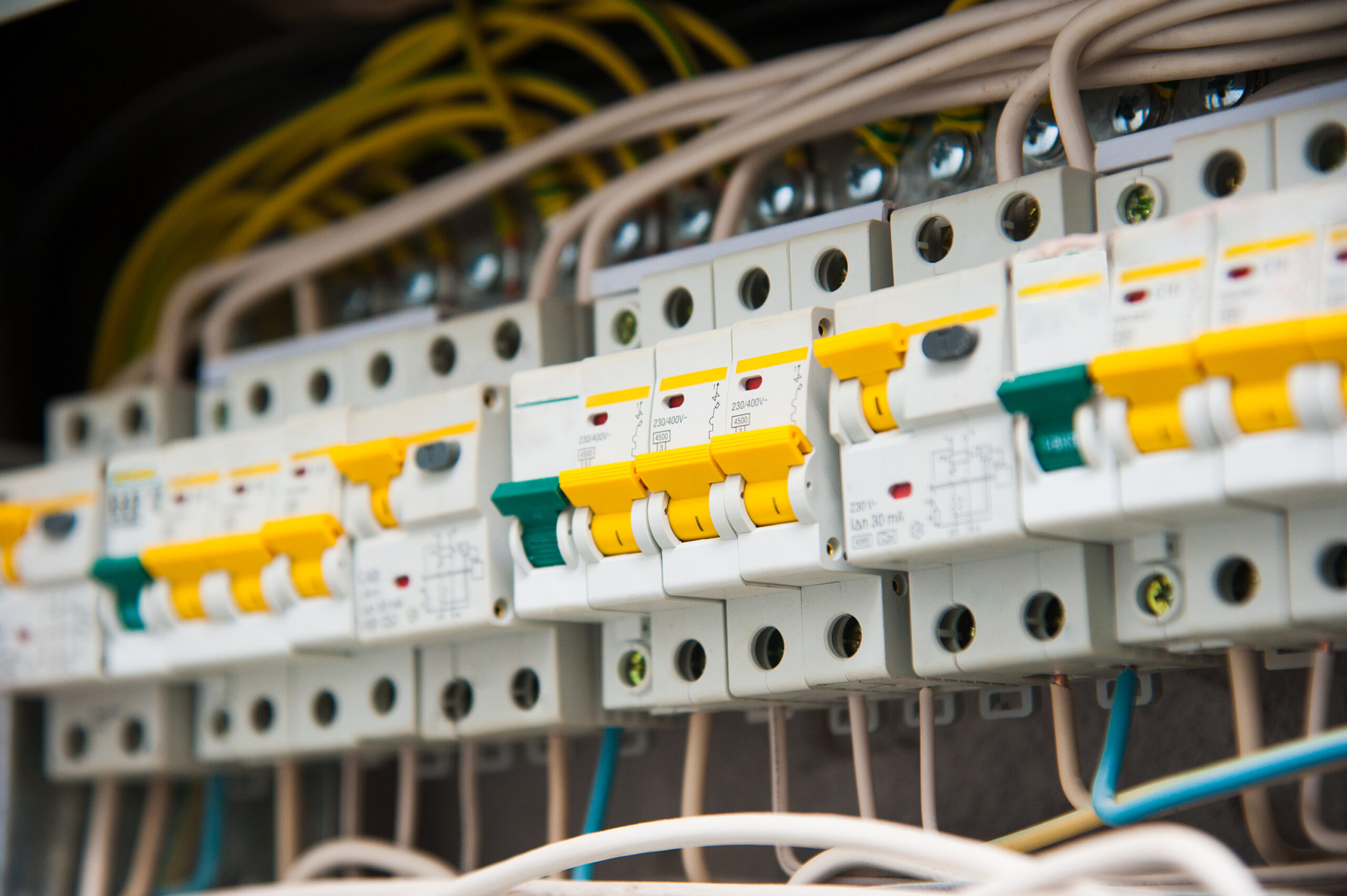
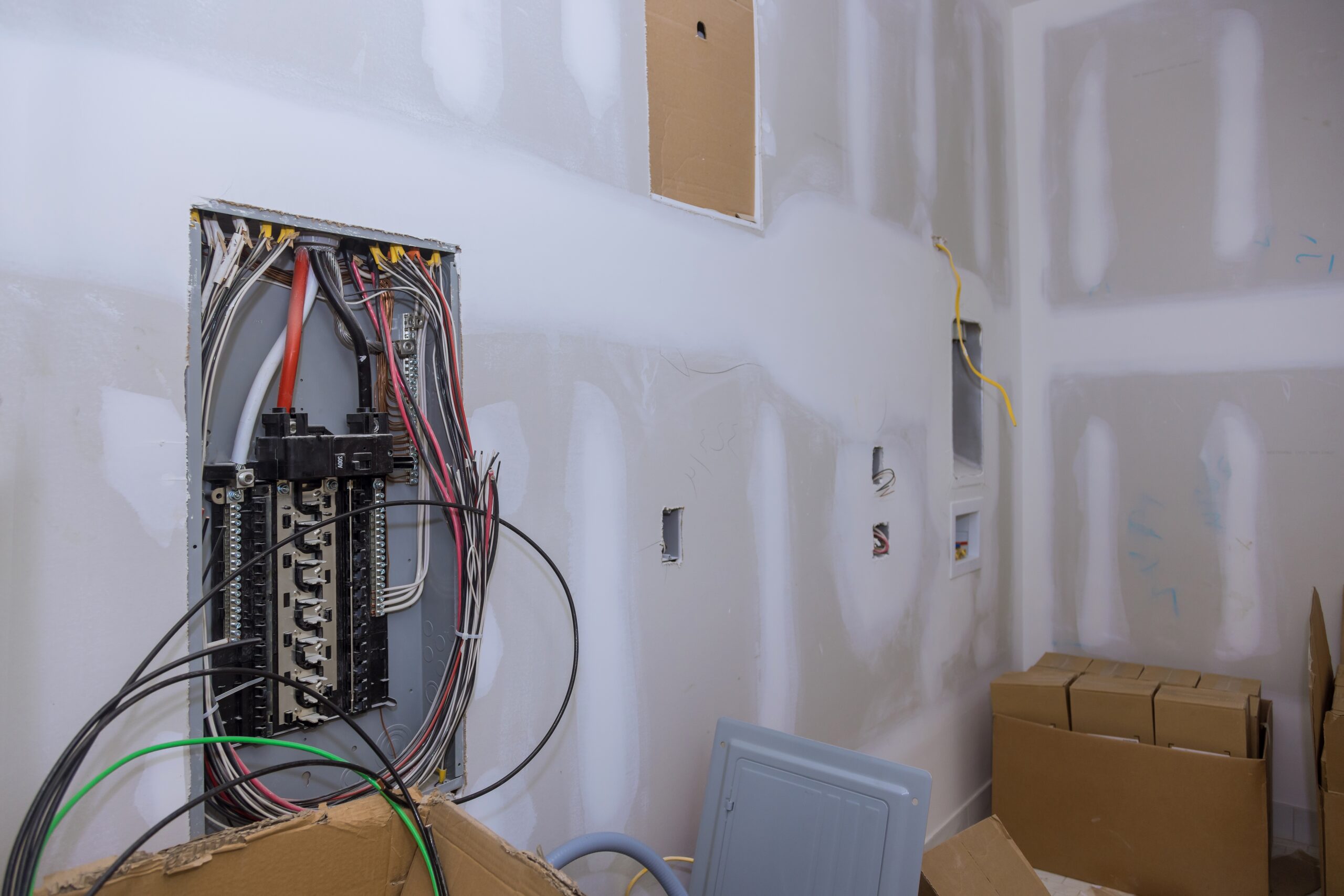
- Ask whether the existing panel has capacity for the new scope and whether dedicated circuits, grounding improvements, or rewiring may be needed.
- Clarify who is handling permits, inspections, and any electrical corrections discovered after walls are opened.
- Bring up any history of undocumented renovations or patchwork upgrades, especially in older kitchens and additions.

This checklist is not meant to turn you into an electrical inspector. It is simply a better way to walk into design, estimating, and permit conversations with the right information in hand.
When a home may need only limited updates, and when bigger work is more likely
Not every remodel leads to a full rewiring project. In some homes, the existing system is fundamentally sound, the panel has capacity, grounding is adequate, and the remodel scope only requires a few new circuits or code-related updates in the work area. If that is the case, the electrical scope may stay relatively contained and still support the finished design safely.
But there are also plenty of situations where broader work becomes more likely. An older home with ungrounded wiring, insufficient service, recurring overload symptoms, or a kitchen that is being substantially upgraded often points toward more than a minor fix. If the panel is undersized, if circuits are already overused, or if the planned appliances exceed what the current system was built to handle, trying to force the remodel onto old infrastructure can create safety problems and inspection issues.
We also see middle-ground cases. A homeowner may not need whole-house rewiring, but the remodel may still trigger targeted rewiring in opened walls, new dedicated circuits, improved grounding, or a panel upgrade to support the overall plan properly. That is exactly why a pre-demo evaluation matters. It gives the project a realistic electrical scope before finishes and schedules lock in.
What goes wrong when electrical planning happens too late
Late electrical discoveries are expensive for reasons that go beyond the electrician’s invoice. If hidden issues come up after demolition starts or after finish selections are ordered, the project can slide into change orders, revised plans, inspection delays, and awkward coordination between trades. Cabinets may be waiting on rough electrical. Drywall patch-back may grow. Appliance installation may stall. In the worst cases, finished work has to be opened again because the underlying system was never brought into alignment with the remodel.
California remodels add another layer of seriousness because permits and inspections are not side details. Kitchen remodels, additions, major renovations, and significant electrical changes often require careful sequencing and code-aware execution. That means electrical work has to coordinate with design decisions, framing, insulation, drywall, cabinetry, lighting, and final closeout. If that coordination is missing, the project can feel disjointed fast.
This is one reason we emphasize a permit-led, coordinated review process early. In older Los Angeles-area housing stock, hidden electrical conditions are not rare surprises. They are known risks that should be planned for. Addressing them while walls are already open is usually the safer and more cost-effective path than treating them as somebody else’s problem to patch later.
There is also a clear line homeowners should respect here. It makes sense to notice symptoms, gather project details, and ask informed questions. It does not make sense to diagnose panel conditions, alter wiring, or push ahead with demo assuming everything behind the walls will work itself out. When warning signs or major load changes are involved, licensed evaluation should happen before the project gets too far down the road.
Common questions homeowners still ask
Does an older electrical panel always need to be replaced before a remodel?
No. Age alone does not automatically decide the answer. The real issue is whether the panel is safe, properly configured, and capable of supporting the remodel scope. Some homes need only targeted updates, while others need a panel upgrade to handle new circuits and modern demand responsibly.
Does every kitchen remodel require rewiring?
Not every kitchen remodel does, but kitchens are one of the most common places where rewiring or circuit changes become necessary. New appliances, updated safety requirements, added lighting, and island or layout changes can all push an older electrical system beyond what it was designed to support.
When should a homeowner pause the project for electrical evaluation?
If you notice breaker trips, buzzing, heat, scorch marks, flickering tied to appliance use, two-prong outlets, a crowded panel, or signs of undocumented past work, it is wise to pause and get the electrical side reviewed before demo continues. The same goes for any remodel that significantly increases appliance load or changes room layout.
Start the remodel with the hidden risks in view
The smartest time to deal with electrical safety is before demolition turns hidden conditions into urgent problems. When capacity, wiring condition, grounding, circuit needs, and permit requirements are reviewed early, the remodel has a much better chance of staying safe, efficient, and on budget. At EcoStar, we approach that review as part of a well-run renovation process, coordinating design, permits, construction, inspections, and the electrical work needed to support the finished space the right way.
If your remodel involves new appliances, layout changes, an older panel, or signs of outdated wiring, EcoStar can coordinate the evaluation, permitting, and renovation work needed to keep your project safe and on track.