Read the full review →“Extremely responsive and organized. EcoStar handled our whole-home remodel with clear planning and zero surprises.”

We use cookies and measurement tools from Google and Meta to measure our ads and improve this site. By continuing to browse, you agree. You can change this anytime. Privacy Policy
EcoStar Remodeling & Construction is a home remodeling contractor for homeowners in the Bay Area, Los Angeles and our other California offices. As a licensed general contractor (CSLB 1034806), we handle design, permits and construction under one contract, from one room to the whole house.
Home remodeling covers any change to an existing house: a kitchen or bathroom, new flooring through the main rooms, a reworked floor plan, a California room or a room addition, a new roof or foundation repair. You can remodel one room now and plan the rest in phases, or do the whole house at once.
It suits homeowners who want one contractor responsible for the result. We walk the house, write the scope and price, draw the plans, pull the permits and run every trade, from demolition and framing to electrical, plumbing, drywall, flooring and paint.
To start, call us or send the form for a free quote. We talk through your priorities and budget and tell you which parts of the work need a permit.
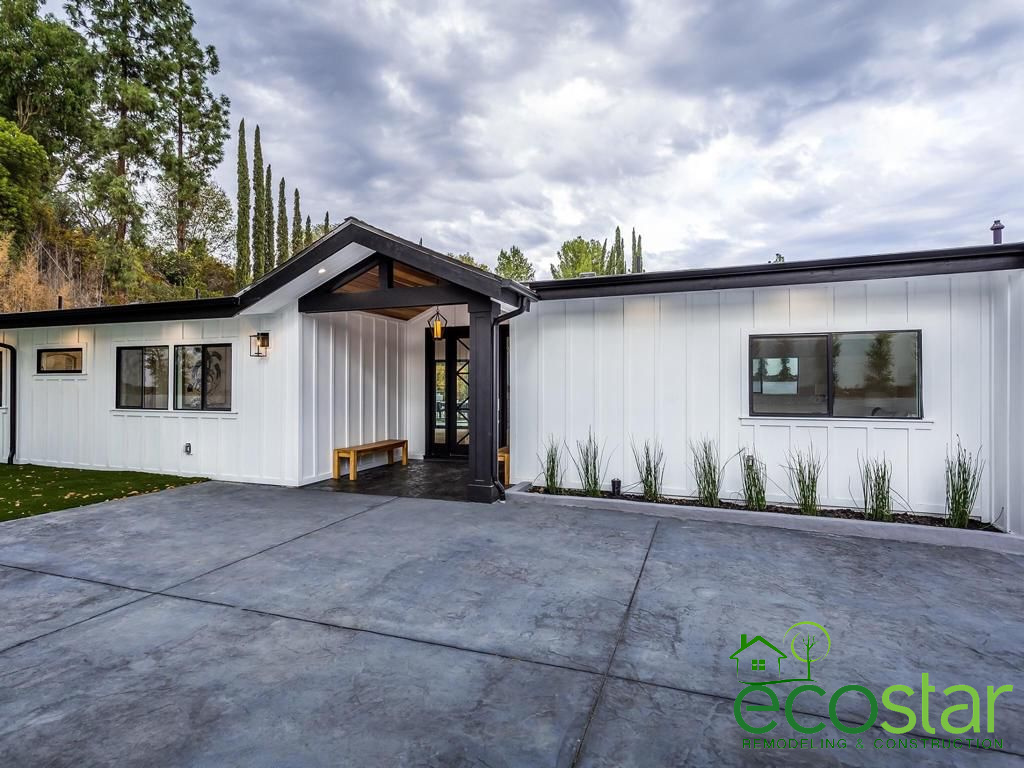
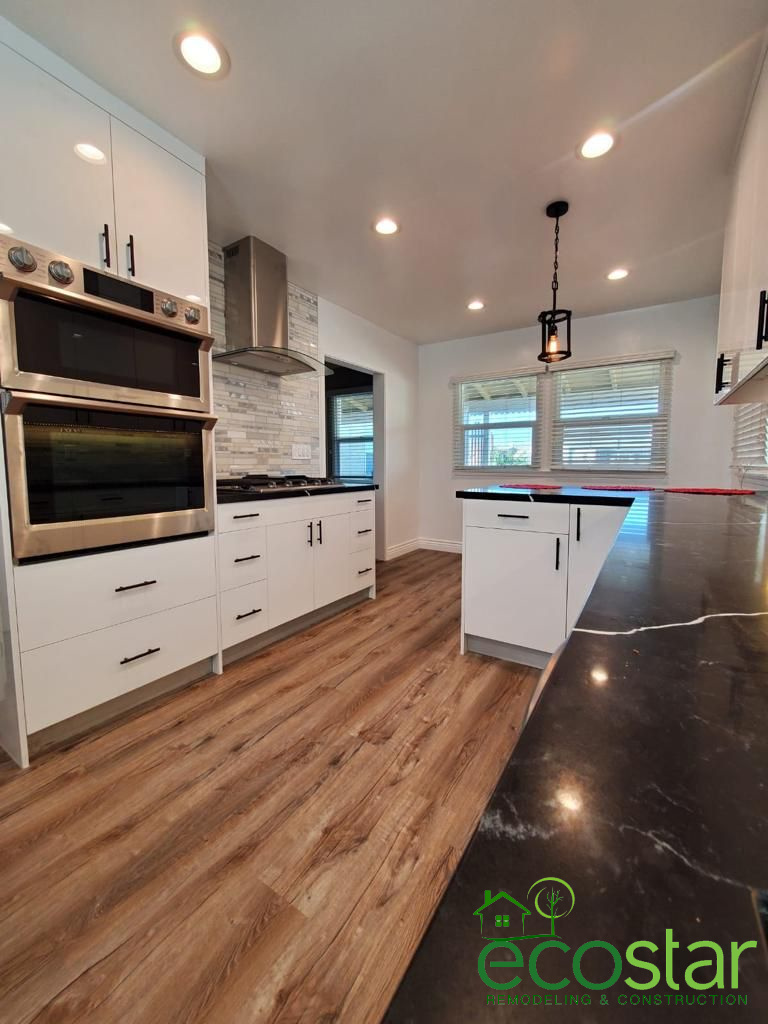
A remodel succeeds or fails in the planning, so we plan every job in writing before demolition starts. At EcoStar Remodeling & Construction, we combine years of expertise with a passion for creating spaces that are both beautiful and functional. Every project is handled with precision, from planning and design to execution and finishing touches.
We put the scope in writing before work starts, and one project manager stays your contact through the job. Our crews protect floors and furniture while we work.
Our CSLB license (1034806, B - General Building) is current and active, with a contractor bond and workers’ compensation insurance on the state record.
Read the full review →“Extremely responsive and organized. EcoStar handled our whole-home remodel with clear planning and zero surprises.”
Read the full review →“Eco Star Remodeling turned our vision for an open-concept layout into reality. They managed structural changes carefully, and now the space flows beautifully.”
Read the full review →“We remodeled our living room to make it brighter and more open. The design team listened carefully to our ideas and gave suggestions that improved the space without overspending.”
Read the full review →“The updates to our family room brought such a comfortable feel to the space. Ecostar Remodeling stayed on track and explained each step clearly so nothing felt overwhelming.”
Read the full review →“The siding replacement completely refreshed the exterior. The crew worked methodically and kept everything clean.”
Read the full review →“I normally don’t leave reviews, but this experience truly deserves one. Foster from Eco Star Remodeling helped us convert our garage into a quiet rental unit.”
Kitchens, bathrooms, living areas and bedrooms, floors and floor plans, California rooms and room additions, roofs and foundations: one licensed contractor plans and builds all of it, so the parts of your remodel fit together.
Next, our expert team develops a comprehensive plan, including design, materials, and timelines. We guide you through every choice, from layout and finishes to fixtures and colors, so the finished rooms match the plan you approved. Finally, during the construction phase, we handle every detail with care, keeping your home clean, organized, and on schedule. Our focus on communication and quality craftsmanship guarantees a finished space that you’ll love for years to come.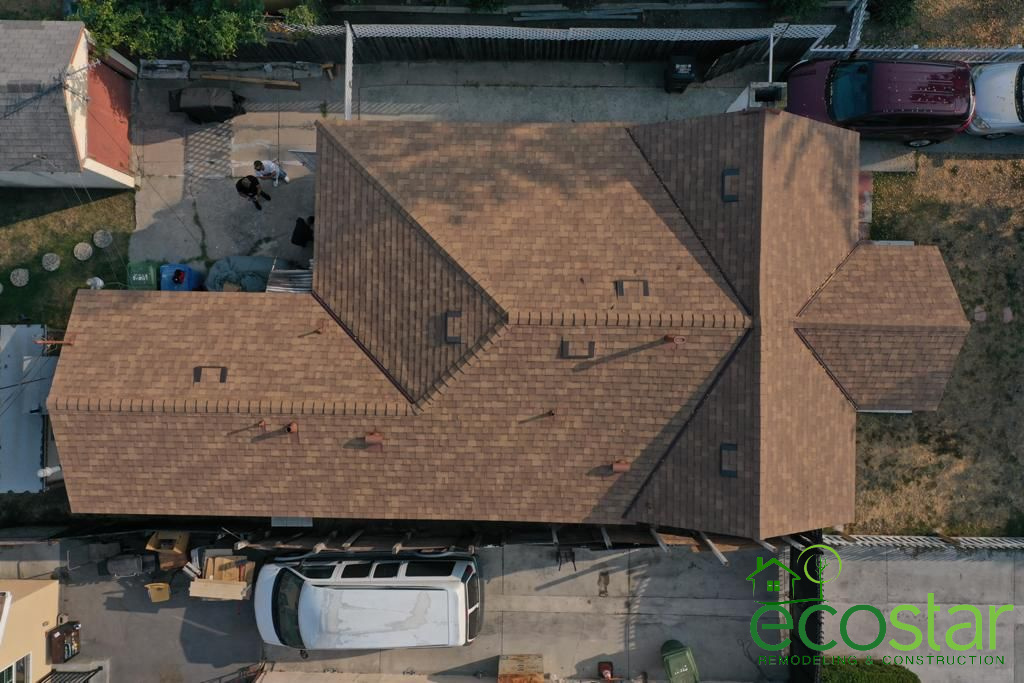
At EcoStar Remodeling & Construction, every remodel follows the same steps. Every project starts with a detailed consultation where we listen to your ideas, assess your space, and understand your goals. That way the plan reflects how you actually use the house.
Next, our expert team develops a comprehensive plan, including design, materials, and timelines. We guide you through every choice, from layout and finishes to fixtures and colors, so the finished rooms match the plan you approved.
Finally, during the construction phase, we handle every detail with care, keeping your home clean, organized, and on schedule. Our focus on communication and quality craftsmanship guarantees a finished space that you’ll love for years to come.
Where the work needs a permit, we prepare the drawings, file them with your city, meet the inspector at each stage and close out the permit before a final walkthrough with you.
Transform your home with our expert services. From design to construction, we create spaces you’ll love.
Full-scale construction services to bring your home remodeling vision to life.
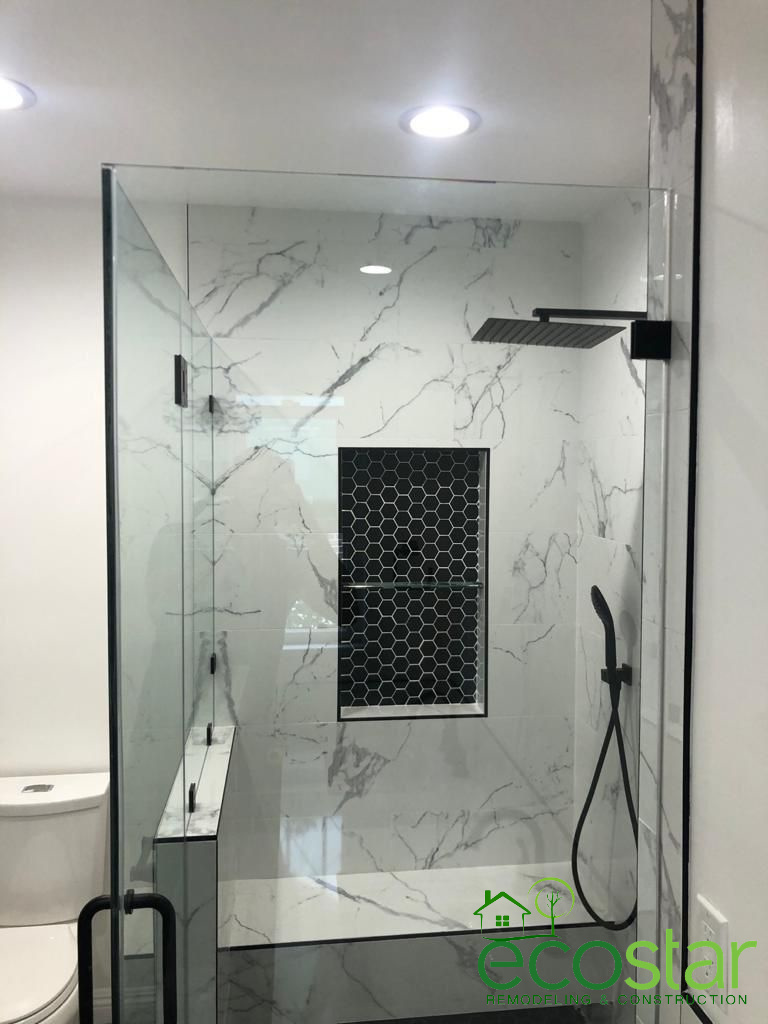
Elegant, functional bathrooms with modern fixtures and layouts.
Stylish, functional kitchens with premium cabinets and layouts.
Durable roof installation and repair to protect your home for years.
Strong and reliable foundation services to secure your home remodeling project.
Scope comes first: how many rooms, and whether walls, plumbing, gas or wiring move. Moving a wall that carries the roof or a floor above needs an engineered beam; moving a kitchen sink or a toilet means new drain and vent lines. Finish level comes next (cabinets, counters, tile, flooring, fixtures), then the condition of the house once it is opened up: old wiring, galvanized pipes, termite or water damage. Permits, plan check and engineering are part of the price, and we list every line in the estimate. Our home remodeling financing page explains how to spread the cost.
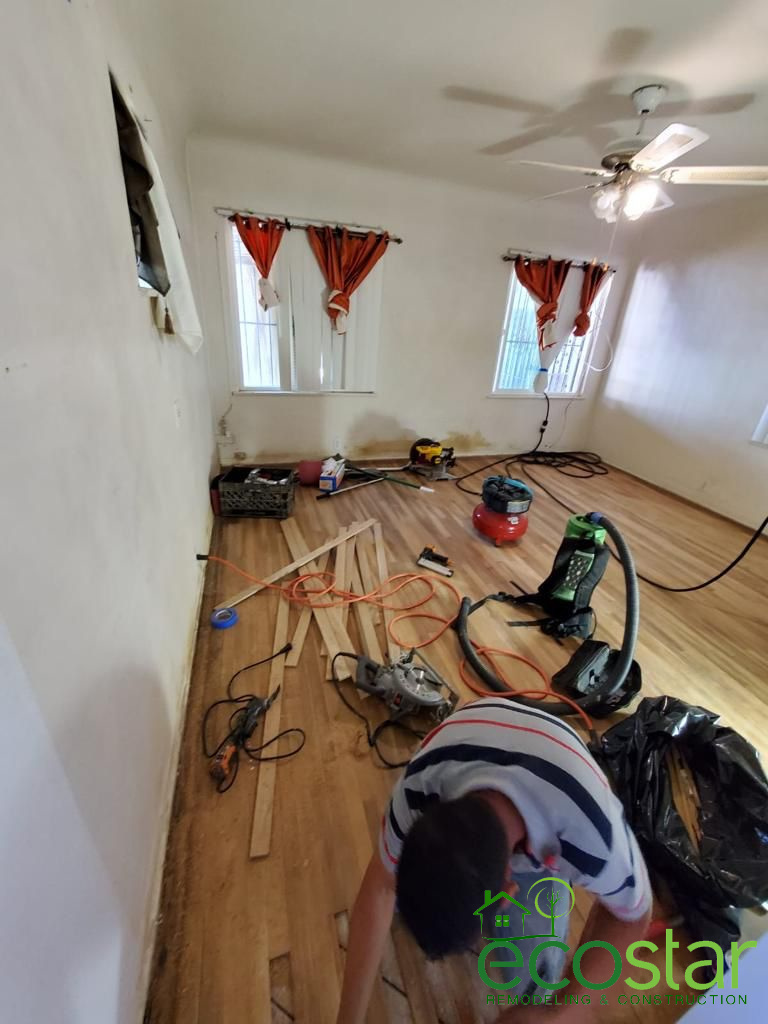
Three options cover most remodels. Porcelain or ceramic tile is waterproof and hard-wearing, the usual pick for kitchens, bathrooms and laundry rooms, though dropped dishes break on it. Luxury vinyl plank is water-resistant, softer and quieter underfoot, and goes down quickly over a flat subfloor. Engineered hardwood gives real wood on top of a stable core and suits living rooms and bedrooms. One continuous floor through open rooms makes a house feel larger.
A California room has a permanent roof, two or more walls tied to the house and at least one side left open to the air: a living room that steps outside, with a finished ceiling, a fan and lighting. It sits between a covered patio (a roof over a slab) and a sunroom (fully enclosed in glass). Because it is attached to the house, most California cities need a building permit for it, and we draw it, engineer the roof tie-in and pull that permit as part of the job.

Paint, flooring and new cabinets in the same place usually stay cosmetic. Once the work changes structure, plumbing, electrical, mechanical systems or windows, it needs a building permit. In the City of Los Angeles, plan check, permits and inspections go through the Department of Building and Safety (LADBS); in the Bay Area, each city's permit center reviews the work. Work that adds conditioned space or replaces lighting, windows or heating equipment is also checked against the California Energy Code (Title 24, Part 6), whose 2025 edition takes effect on January 1, 2026.
We prepare the plans, answer plan check comments, book the rough and final inspections and handle any corrections, so the permit is closed when we leave.
A home remodeling project can include upgrading layouts, improving functionality, updating materials, and modernizing the design of different areas of the home. Professional home remodeling may involve kitchens, bathrooms, living areas, bedrooms, or even a full-home renovation depending on the homeowner’s goals.
Yes. Many homeowners start with the kitchen or a bathroom and plan the rest in phases. We note in the first plan where later work will tie in, such as electrical capacity or plumbing runs, so the next phase does not undo the first.
Porcelain or ceramic tile for wet rooms, luxury vinyl plank where you want water resistance and a softer, quieter floor, and engineered hardwood for living rooms and bedrooms. We help you pick per room and keep one continuous floor through open areas.
A covered outdoor living room attached to the house: a permanent roof, two or more walls tied to the home and at least one side open to the air. Because it attaches to the house, most California cities require a building permit.
If the work changes structure, plumbing, electrical, mechanical systems or windows, yes: plan check and permits go through the Department of Building and Safety (LADBS). We prepare the plans, file them and handle the inspections.
Yes, we do. We are happy to give you a free quote for your project. You can expect a response within 48 hours!


EXCELLENT
 Posted on Google
 Ralph Williams
Trustindex verifies that the original source of the review is Google.
I reached out for bids for a new roof. I met Zane over the phone and set up a meeting. He arrived and we talked about what I was interested in doing. I told him the roof was the priority because my insurance company threatened to cancel me. He agreed that my roof did need a replacement and the reason why insurance companies have issues with old roofs. He laid out some numbers for me about what I was interested in. We talked roof extension, gutters, solar panel cost, battery system an a going with a lighter color. All these things and also some interior lighting the kitchen area. I have to say that after a few hours of his time we reached and agreement on what I was hoping for during the t he process. How fast, the time involved and price were considered. The contract was the biggest issue of course and how much I could afford. EchoStar made me a good offer for the work and I felt very satisfied with the decision to go with eccstar. I was happy with how fast the roof was stripped and preped. The work crews were amazing and did very good work. I did not have many concerns and if I did there was always someone to help answer my questions. Zane the project manager was in contact with me the whole time. I was very happy with his customer service and also his caring of my satisfaction throughout the construction phase. I would highly recommend this company for any construction needs. They have a lot of good worker and I was very impressed and happy with my decision going with EcoStar.Posted on Google Lana WilsonFirst of all I want to thank Kenny! Thank we will enjoy new yard by summer. .Beautiful yard.Posted on Google
 Virgil SteinOur bathroom renovation turned out nice. The finishes are clean, and the added closet makes the space more organized.Posted on Google
 Cheryl JonesFirst of all, thank you, Kennet. I truly appreciate the incredible work you and Ecostar Remodeling & Construction did on my attic insulation. I’ve done several home improvement projects over the years, but I’ve honestly never experienced this level of professionalism, precision, and care. From the initial inspection to the final walkthrough, everything was explained clearly and handled flawlessly. The crew was punctual, clean, and extremely detail-oriented. The work was done beyond code, using high-quality materials, with zero shortcuts. The difference in temperature and overall comfort in my home was immediate, and I noticed improved energy efficiency right away. I couldn’t be happier with the results. If you’re looking for a contractor you can truly trust in Oakland, Ecostar is on another level. Highly recommended.Posted on Google
 José AmayaWe had a bathroom and living room update, and the crew did a great job. The tiles, fixtures, and paint were all done neatly, and the spaces now feel brighter and more usable. The process was steady, and the finished areas feel solid and practical.Posted on Google
 Dennis IgamaThe team remodeled our kitchen and dining area, and the results are excellent. Cabinets and counters are installed perfectly, and the layout now feels more functional. The workers were careful with our home, and everything came together smoothly without unexpected issues.Posted on Google
 Edgar KremmI wasn’t sure how involved this project would be, but the crew really simplified things. They handled each step steadily, kept me updated, and managed the tricky parts without making a big deal of them. The upgraded space feels more modern and easier to use, and the whole process felt surprisingly smooth.Posted on Google
 KaiI reached out to Rotem and his company to see if my home’s roof was still under warranty. Unfortunately, the warranty did not transfer over but he gave me a good quote on the repair. Rotem is very professional and his explanation of the work was thorough. He also advised on which repairs around the house can wait, and what needed to be prioritized. He’s a good guy and a pleasure to deal with. If you’re shopping around for quotes, Rotem and Ecostar is a great point of reference no matter which company you go with. They are on my short list of home repair contractors.Posted on Google
 Mere CprOur house needed a fresh look, so we hired Ecotar remodeling, Meni and his team for interior painting and drywall repairs. They handled everything patching cracks, smoothing walls, and applying flawless paint throughout the home. The crew was friendly and careful with our furniture. The colors came out perfect, and the place looks brighter and more modern. Couldn’t be happier with the result.
Our crews work out of offices across California. In Northern California, see our Bay Area remodeling offices in Alameda, Concord, San Jose and San Mateo, plus Sacramento; in Southern California, our Los Angeles general contractor page covers Encino, Long Beach, Irvine and Rancho Cucamonga. Planning a top-to-bottom renovation? See whole house remodeling.
Specializing in bathroom remodels, kitchen remodels, roofing, and foundation services. Visit us at 1050 Marina Village Pkwy Suite 201. Use the map below to get directions and explore our services.
| Monday – Thursday | 8:00AM – 7:00PM |
| Friday: | 8:00AM – 2:30PM |
| Saturday: | Closed |
| Sunday: | 8:00AM – 7:00PM |