What Does a General Contractor Do? Full Breakdown

You hire a plumber to fix a leak. You hire a roofer when shingles fail. But what is a general contractor, and why does anyone need one to sit between you and the trades who do the actual work? On a remodel that touches multiple systems (say, a kitchen with framing, plumbing, electrical, and finishes), the answer turns out to matter a lot. A licensed general contractor is the person legally and operationally responsible for getting your project built on schedule, to code, and inside the contract you signed.

Key Takeaways

  • A general contractor holds the prime contract with the homeowner and takes accountability for the whole project, not one trade.
  • Their work spans preconstruction, day-to-day build management, and closeout.
  • In California, any residential job over $1,000 requires a licensed contractor, and a Class B-2 license now covers remodeling specifically.
  • For single-trade jobs, you can hire a specialist directly. For multi-trade work, a GC saves money in coordination, even though it looks like overhead.
  • Verify the CSLB license number, the $25,000 bond, active insurance, and warranty terms before you sign anything.

What Is a General Contractor?

A general contractor (sometimes called a GC, or a prime contractor on larger projects) is the entity, one person or a company, that signs the construction contract with the property owner and takes responsibility for finishing the job. The GC may self-perform some of the trades, but the defining function is management. They hire subcontractors, coordinate their work, pull permits, control the schedule, and stand behind the result.

A tradesperson (an electrician, a tile setter, a framer) owns one slice of the build. The GC owns the outcome.

That distinction is why most homeowners get into trouble. They hire a tile setter directly to save money, then discover nobody scheduled the plumber to be done first.

What a General Contractor Actually Does, Phase by Phase

The job isn’t one thing. It’s roughly three things in sequence, each with its own pressure points.

Preconstruction

Before anyone swings a hammer, the GC turns a rough vision into a buildable plan. That means:

  • Reviewing drawings with the architect or designer and flagging anything that won’t work in your specific house
  • Producing a line-item estimate broken out by trade, materials, and labor
  • Pulling building permits and scheduling required inspections
  • Lining up subcontractors and locking in material orders with realistic lead times

This phase usually takes longer than homeowners expect. Cabinets ordered late are the single most common reason a project slips. A GC who quotes you eight weeks for a kitchen but hasn’t ordered cabinets in week one isn’t being optimistic; they’re being careless. Most homeowners underestimate how much groundwork happens before construction begins. Our guide to planning a home remodel walks through what homeowners should sort out before signing with a GC.

During the Build

Once work starts, the GC runs daily logistics. Framing has to finish before rough plumbing. Rough plumbing has to pass inspection before drywall. Drywall has to cure before paint. Get that sequence wrong, and crews sit idle on the clock. Worse, finish work gets torn out and redone.

A working GC is on site or in close contact every day. The core of the job is scheduling subcontractors so trades don’t collide. Materials get checked against the spec at delivery. Quality issues are caught before drywall hides them. City inspections get coordinated and corrections handled when they come back. Budget tracking runs line by line, and change orders are flagged before they turn into disputes. The site stays safe and OSHA-compliant throughout.

Construction management is the unglamorous heart of the job. It’s also where a good GC saves you more than they cost.

Closeout

The last phase is where shortcuts show up. A real closeout includes a punch list walkthrough with the homeowner, fixes for every item on it, final inspections signed off by the city, manuals and warranties for installed equipment, and a clean handover of which warranties cover what.

This is the phase most homeowners describe as “the last 5% that took three months.” A GC who runs closeout properly avoids that.

Should You Hire a General Contractor or a Specialty Contractor?

Plenty of jobs don’t need a GC. The decision comes down to how many trades are involved and how tightly they have to coordinate. 

Project Who You Need Why
New roof, only Roofing subcontractor (C-39) Single trade, no coordination needed
Water heater swap Plumber (C-36) Single trade, permit, no other work touched
Bathroom remodel General contractor Plumbing + electrical + tile + drywall + paint
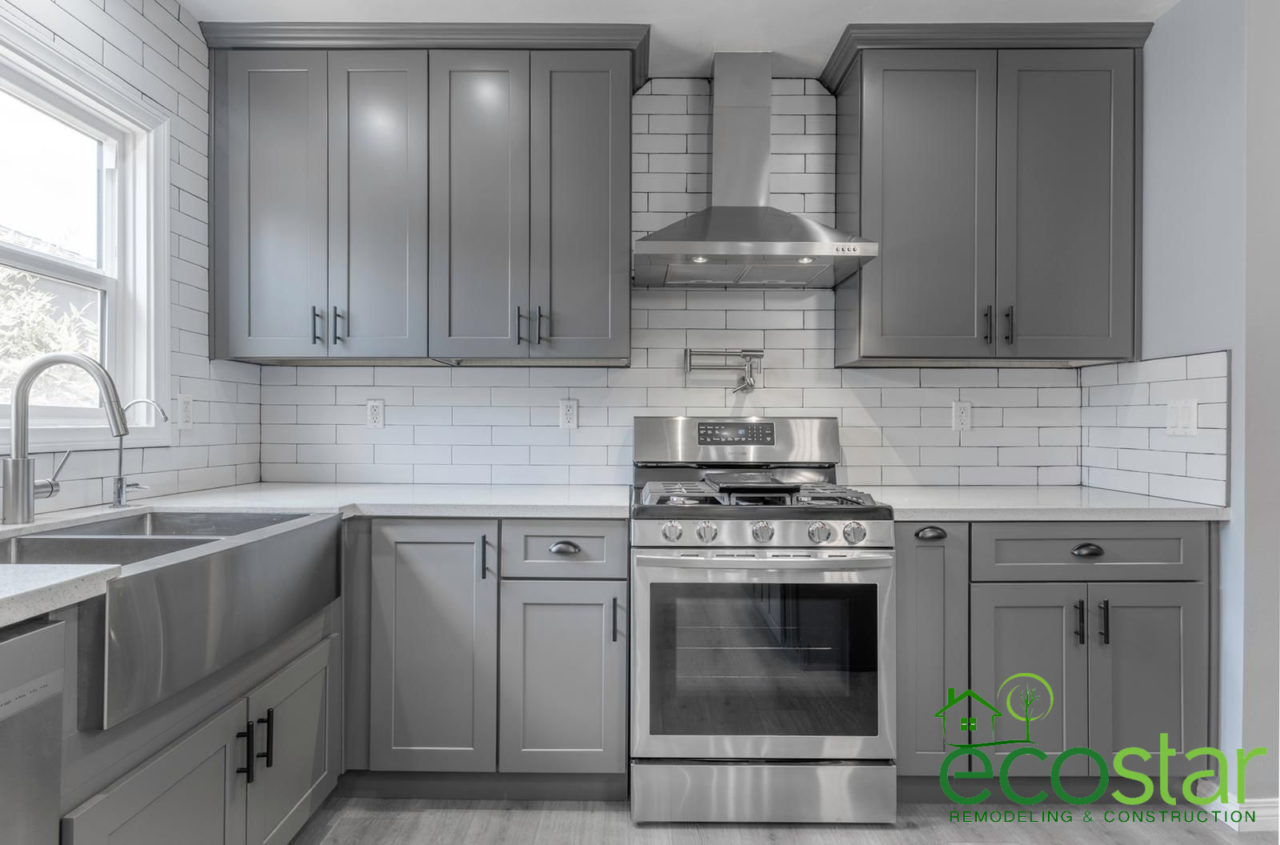
Kitchen remodel General contractor Cabinets, counters, plumbing, electrical, gas, finishes
ADU or home addition General contractor Foundation + framing + every system + finishes
Whole-home renovation General contractor Multiple trades sequencing across rooms


The fuzzy middle is where homeowners gamble and lose. A “small” bathroom remodel still pulls in four to six trades. Coordinating those yourself works in theory and rarely in practice. If you’re weighing a job that touches more than one trade, our whole-house remodeling process shows what proper sequencing looks like across a full project.

California’s Licensing Reality (and Why It Matters Anywhere)

In California, any residential job over $1,000 in combined labor and materials has to be performed by a contractor licensed through the Contractors State License Board (CSLB). That threshold rose from $500 to $1,000 under AB 2622, effective January 2025.

Two license classes apply to most home projects:

  • Class B (General Building Contractor) authorizes work on any structure involving two or more unrelated trades. It’s the standard general building contractor license most residential GCs carry.
  • Class B-2 (Residential Remodeling Contractor) was introduced in 2021 specifically for projects making improvements to existing residential wood-frame structures, where at least three unrelated trades show up in one contract.

Every California-licensed contractor must post a $25,000 surety bond and, in nearly all cases, carry workers’ compensation (the workers’ comp rule applies even to one-person operations as of 2026). You can verify any license number, complaint history, and active bond in about thirty seconds at cslb.ca.gov.

EcoStar holds California license #1034806 and operates under the same standard across four metros. Other states write different rules. Washington requires general contractor registration with L&I. Texas has no state-level general contractor license at all, which makes vetting at the city level even more important. The principle holds everywhere. Verify before you sign. Our Los Angeles remodeling team handles all permitting and code compliance with LADBS in-house.

How to Vet a Licensed General Contractor Before You Sign

Five checks, in order. Skip any one of these and you’re guessing.

  1. License is active and matches the trade. Look it up on the state board’s site directly. Don’t trust a screenshot.
  2. Bond is posted and unencumbered. A bond with active claims against it is a red flag.
  3. Insurance is current and lists your project. Ask for a certificate of insurance issued to you. General liability and workers’ comp, both.
  4. You know who’s running your project day to day. “We’ll figure it out” is the wrong answer. A named PM on day one makes a measurable difference.
  5. Warranty terms are in writing. Most workmanship warranties run one year. Two is rare. Anything verbal isn’t a warranty.

Where EcoStar Fits

EcoStar is owner-operated and licensed across four metros. We work in Los Angeles, Dallas–Fort Worth, the Bay Area, and Seattle. Twenty-plus services run under one roof, which means kitchen, bathroom, ADU, roofing, foundation, and HVAC work all coordinate through one company rather than four.

Two structural choices matter most to homeowners. Every job gets a dedicated project manager from design through final walkthrough. And every job carries a 2-year workmanship warranty, which is roughly double what most of the industry offers. If you want pricing on a specific project, request a free quote and we’ll scope it from there.

FAQ

1. Do I always need a general contractor for a remodel?

No. For a single-trade job like replacing a roof, swapping a water heater, or painting the exterior, you can hire a licensed specialty contractor directly. For anything that involves more than one trade in sequence, a GC pays for itself in scheduling alone.

2. What’s the difference between a general contractor and a general building contractor?

In casual usage, the terms are interchangeable. In California specifically, “general building contractor” refers to the Class B license issued by the CSLB. It’s the formal credential most residential GCs hold. The newer Class B-2 covers remodeling work specifically.

3. How much does a general contractor charge on a residential project?

GCs typically build their fee into the project as overhead and profit, ranging from roughly 10% to 25% of total project cost depending on scope, region, and complexity. On a $100,000 remodel, that’s $10,000 to $25,000 for the management work. Cheaper isn’t always better. That fee usually pays for itself in avoided change orders and tighter scheduling.

4. Can a general contractor pull my permits for me?

Yes, and they should. The licensed GC is generally the right party to pull permits because they’re legally responsible for the work meeting code. Homeowners who pull their own permits to save money take on personal liability for the build and any defects discovered later.

5. What happens if a general contractor goes over the agreed budget?

A solid contract spells out change order procedures upfront. Any cost change should be documented in writing, signed by both parties, and itemized before work continues. If a GC bills you for overruns without a signed change order, you generally have grounds to dispute the charge. The bigger lesson is reading the change order clause in your contract before you sign it, not after.

EcoStar Remodeling & Construction

EcoStar Remodeling & Construction has been delivering trusted, high-quality home renovations since 2010. From kitchens to full home remodels, we bring craftsmanship, care, and lasting value to every project.

Opening Hours

Main Headquarters in
Los angeles

Dallas Office

Bay Office

Seattle Office

Opening Hours

Monday – Thursday8:00AM – 7:00PM
Friday:8:00AM – 2:30PM
Saturday:Closed
Sunday:8:00AM – 7:00PM