
Three bathroom remodel bids are sitting on the table, and at first that should feel like progress. Instead, the totals are close enough to be confusing, one quote is shorter than the others, and the cheapest number has a certain pull to it. We have seen that moment many times: what looks like a bargain is sometimes just a bid that left important work unnamed, unpriced, or easy to bill later.
That is why we do not think the real question is, “Which number is lowest?” The better question is, “Which estimate defines the job clearly enough that the final cost is less likely to drift?” In bathroom remodeling, especially in older Los Angeles-area homes, a thin quote can hide a lot of responsibility that eventually lands back on the homeowner.
Need help comparing bathroom remodel quotes?
If two bids look similar on price but different on scope, EcoStar can help you understand what is actually included, what may trigger change orders, and what questions to ask before you sign.
Bathrooms fool people this way. The room is compact, so it seems like the estimate should be simple. But once demolition starts, bathrooms tend to expose the kinds of conditions that change scope fast: aging supply lines, cast iron or old drain assemblies, damaged subflooring, past moisture intrusion, weak ventilation, and code-related updates that were easy to ignore while everything was still covered up.
That is especially true in Southern California’s older housing stock. Two contractors can look at the same bathroom and produce similar totals while making very different assumptions about what happens if they find rot around the tub, an unvented fan, out-of-date electrical at the vanity, or a shower assembly that needs a real waterproofing system rather than a cosmetic patch. One estimate may account for process, coordination, permits, cleanup, and inspections. Another may price only the visible finish work and leave the rest to future change orders.
So when estimates vary, or even when they look surprisingly close, we tell homeowners to focus less on the final number and more on the written definition of the work. In practice, documentation quality is often a better predictor of a smooth bathroom remodel than the headline price.
What a solid written estimate should spell out
The estimate should walk you through the project in the same order the work will actually happen. If it jumps from “remodel bathroom” to a lump-sum price with little detail, that is a warning sign. We want to see who is doing what, what materials or systems are assumed, and where the responsibilities begin and end.
Protection, demolition, and jobsite setup
Before anyone removes a tile, the estimate should explain how adjacent areas are protected. That can include floor protection in hallways, dust containment, debris handling, and basic site setup. In a busy home, especially when this is a primary or only bathroom, that matters more than many homeowners expect.
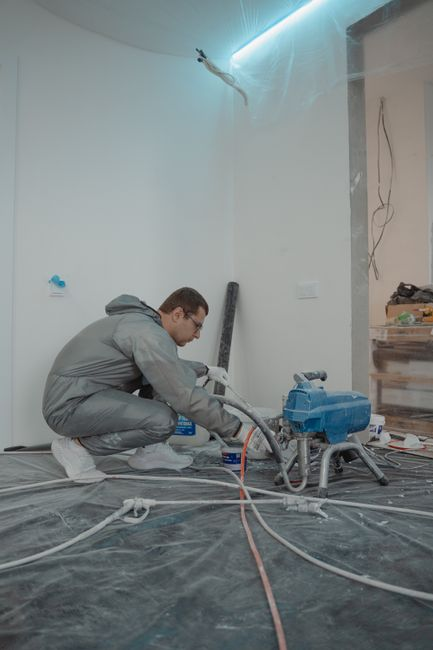
Demolition should also be described with some precision. Is the contractor removing everything to the studs? Just fixtures and finishes? Is the tub or shower pan included? Does debris hauling and disposal appear in writing? If demo is vague, it becomes easier for parts of the tear-out to become “extra” once the project starts.
Plumbing, electrical, and ventilation
This is one of the most important sections in any bathroom remodeling estimate. The written scope should say whether existing plumbing locations are staying put or moving, whether shutoff valves or supply lines are being replaced, whether drain work is included, and whether fixture installation labor is part of the price. If the vanity, toilet, tub, or shower valve is changing, the estimate should not leave too much to assumption.
Electrical should be just as clear. We look for line items or scope notes covering lighting, GFCI protection, switches, outlets, vanity lights, and any wiring updates needed to support the design. Bathrooms also need proper ventilation, so the estimate should identify whether a fan is included, replaced, vented correctly, or left untouched. A bathroom can look newly finished and still perform badly if ventilation was never properly addressed.
Framing, backing, and repairs behind the walls
Not every project needs framing changes, but the estimate should state whether wall modifications, blocking for accessories, niche framing, glass-door support, or subfloor repair are included. In older homes, this is where hidden conditions can start to matter. If the estimate is silent about likely repair categories, ask what happens when damaged framing or subfloor is found after demolition.
A careful remodeler will not pretend to know every concealed condition in advance. What we want instead is honesty: what is included now, what may require a documented change order later, and how those situations will be handled if they appear.
Waterproofing and the shower system
If there is a shower or tub-shower in the project, the estimate should identify the waterproofing approach in writing. This is not a place for vague language. We want to know whether the shower includes a waterproof membrane system, what substrate is being used behind tile, how the pan or shower base is handled, and whether niches, benches, curbs, or transitions are part of the scope.
This is one of the easiest places for two bids to look similar while offering very different levels of protection. A bathroom quote that names the waterproofing system and installation responsibility is usually stronger than one that simply says “install tile in shower.” Tile is not the waterproofing. The underlying assembly is what protects the home.
Finishes, fixtures, and installation responsibility
The estimate should also make the finish scope readable. That includes tile areas, flooring, grout assumptions, vanity installation, countertop work, plumbing fixtures, mirrors, hardware, paint, trim, shower glass, and accessories. If you are supplying some materials yourself, the estimate should clearly say which items are owner-supplied and who is responsible for ordering, delivery timing, inspecting for damage, and installation.
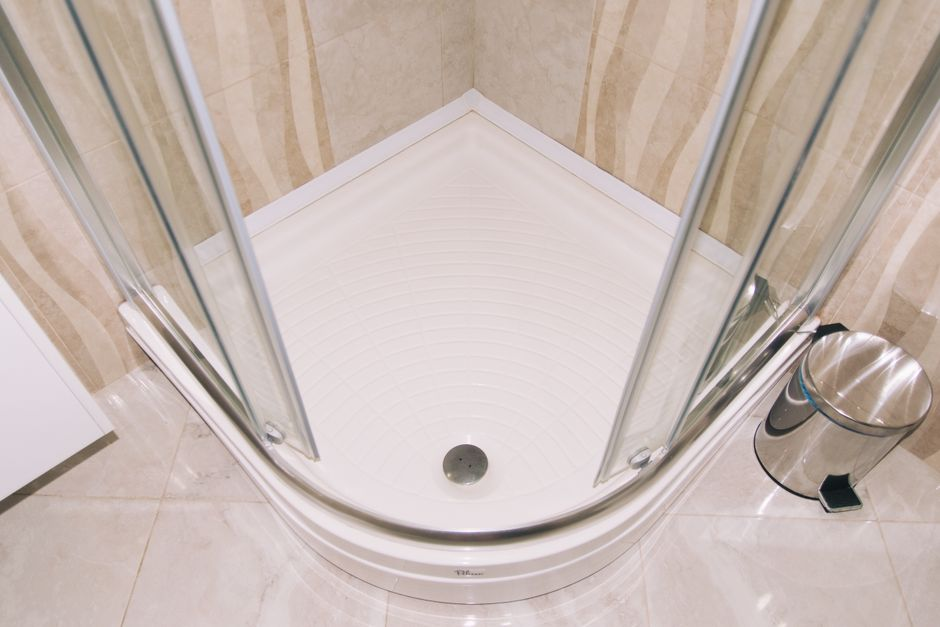
That responsibility map matters. We have seen projects get delayed not because the construction team was unavailable, but because a vanity arrived late, a faucet was missing parts, or the shower glass was treated like a separate problem for the homeowner to solve. A better estimate closes those gaps before the work begins.
Permits, inspections, and code-related work
In Los Angeles-area bathroom remodeling, permit responsibility should never be a mystery. The estimate should say whether permits are included, who pulls them, which inspections are expected, and whether code-related corrections tied to the permitted scope are included or excluded. If the project involves moved plumbing, electrical updates, altered ventilation, or other work beyond simple cosmetic replacement, permit clarity is part of a responsible bid.
When a contractor handles permits and inspections as part of an end-to-end process, that typically reduces homeowner stress and keeps accountability in one place. It also makes apples-to-apples comparison easier, because a bid that excludes permit handling may only look cheaper on paper.
Schedule, access, cleanup, and closeout
The estimate should tell you more than what gets built. It should also explain how the job runs. We look for an expected timeline, assumptions about working hours or access, whether the bathroom will be out of service for the full duration, and what daily or final cleanup includes. Debris removal should be named, not implied.
Closeout details matter too. Ask whether the estimate includes punch-list completion, final fixture adjustments, and a clear handoff at the end of the project. A professional bathroom remodel should not end at “substantial completion” with loose ends left for the homeowner to chase down.
Workmanship warranty
The warranty should be specific enough to mean something. We prefer seeing written workmanship coverage, the duration, and the process for addressing post-job issues. Vague promises like “we stand by our work” sound reassuring, but they are not the same as defined warranty accountability. In our view, stronger documentation here usually reflects a contractor who expects to own the finished result, not disappear after final payment.
Where low bids usually hide risk
Once the core scope is readable, the next place to slow down is the quote within the quote: allowances, exclusions, contingencies, and change-order language. This is often where a lower estimate gains its advantage. Not by being more efficient, but by keeping important costs flexible.
An allowance is a placeholder amount for something not fully selected or priced yet, such as tile, vanity, plumbing fixtures, or shower glass. Allowances are not automatically bad. They are normal in remodeling. The problem starts when the allowance is too low to match the quality level implied by the design. A bid with unrealistically small fixture or tile allowances can appear competitive even though the actual selections will push the final price up later.
Exclusions deserve equal attention. If the estimate excludes waterproofing upgrades, permit fees, disposal, wall repair beyond a narrow area, accessory installation, or painting, that omission matters. A homeowner comparing totals without comparing exclusions is not really comparing the same project.
Then there are contingencies and hidden-condition clauses. In an older bathroom, it is reasonable for a contractor to note that concealed damage, mold-related deterioration, failed subfloor, or outdated plumbing discovered after demolition may require additional work. What matters is whether that possibility is explained clearly and handled through a documented process, rather than introduced later as a vague surprise.
We also tell homeowners to read the change-order language itself. How are changes approved? In writing only? Before the extra work starts? Does pricing get documented before installation moves forward? Clean change-order rules protect both sides. Loose ones tend to produce stress, cost drift, and arguments about what was “obviously included.”

Two similar totals can mean two very different jobs
Imagine two bids for a hall bathroom remodel. One comes in at $27,800. The other is $29,400. On the surface, the lower one feels like the smart decision. But then you read the details.
The $27,800 estimate says demo and install new bathroom finishes. Tile allowance is listed, but shower glass is excluded. Permit fees are not included. Waterproofing is mentioned only generally. Disposal is not specified. The fan replacement says “if needed.” Plumbing fixtures are owner-supplied, but there is no note about delivery timing or missing parts. Hidden damage is billed as needed, with no explanation of approval steps.
The $29,400 estimate identifies dust protection, demolition and haul-away, plumbing reconnects, electrical updates at vanity and fan, a named waterproofing scope for the shower, permit handling, inspections, cleanup, punch-list completion, and a written workmanship warranty. It still notes that concealed rot or failed subfloor may require added repair, but it explains how that would be documented and approved.
Those two totals are not pricing the same level of responsibility. One number may be lower because more of the project risk stays with the homeowner. The other may be slightly higher because more of the unknowns, coordination, and accountability are being owned upfront. That is exactly why bathroom remodeling bids should be compared on completeness, not just cost.
A quick side-by-side review list
- Does each estimate clearly define demolition, protection, and debris removal?
- Are plumbing, electrical, fan or ventilation, and any code-related updates described in writing?
- Is the shower or tub waterproofing system identified clearly, not just the tile finish?
- Are allowances realistic, and are owner-supplied versus contractor-supplied items separated clearly?
- Do permits, inspections, schedule assumptions, cleanup, punch list, and warranty appear in the estimate?
- Are exclusions, hidden-condition contingencies, and change-order approval rules easy to understand before signing?
If one estimate leaves several of those questions unanswered, it is not truly the simpler option. It is just passing more uncertainty downstream. Before signing, ask each remodeler to fill in the gaps in writing so you can compare the same job at the same standard. In our experience, the safer choice is usually the bid that makes fewer assumptions, owns more responsibility, and gives you less to untangle after demolition begins.
Common questions before you choose a bid
Should permits be listed in a bathroom remodel estimate?
Yes. If permits are required for the scope, the estimate should say whether permit handling and fees are included, excluded, or billed separately. That clarity matters because permit responsibility affects both total cost and project accountability.
How should older homes handle hidden-damage risk in the estimate?
The estimate does not need to pretend every concealed issue can be known in advance. It should, however, explain what kinds of hidden conditions may trigger added work and how approval will happen if they are found. Clear contingency language is far better than silence.
What should a bathroom remodel warranty actually say?
It should define workmanship coverage, the warranty period, and how post-job concerns are addressed. The more specific the language, the easier it is to understand who stands behind the finished work once the bathroom is back in use.
Ready for a bathroom remodel with clearer scope and fewer surprises?
EcoStar provides end-to-end bathroom remodeling support, including planning, permits, construction, inspections, and a written workmanship warranty-so you can move forward with more confidence.