
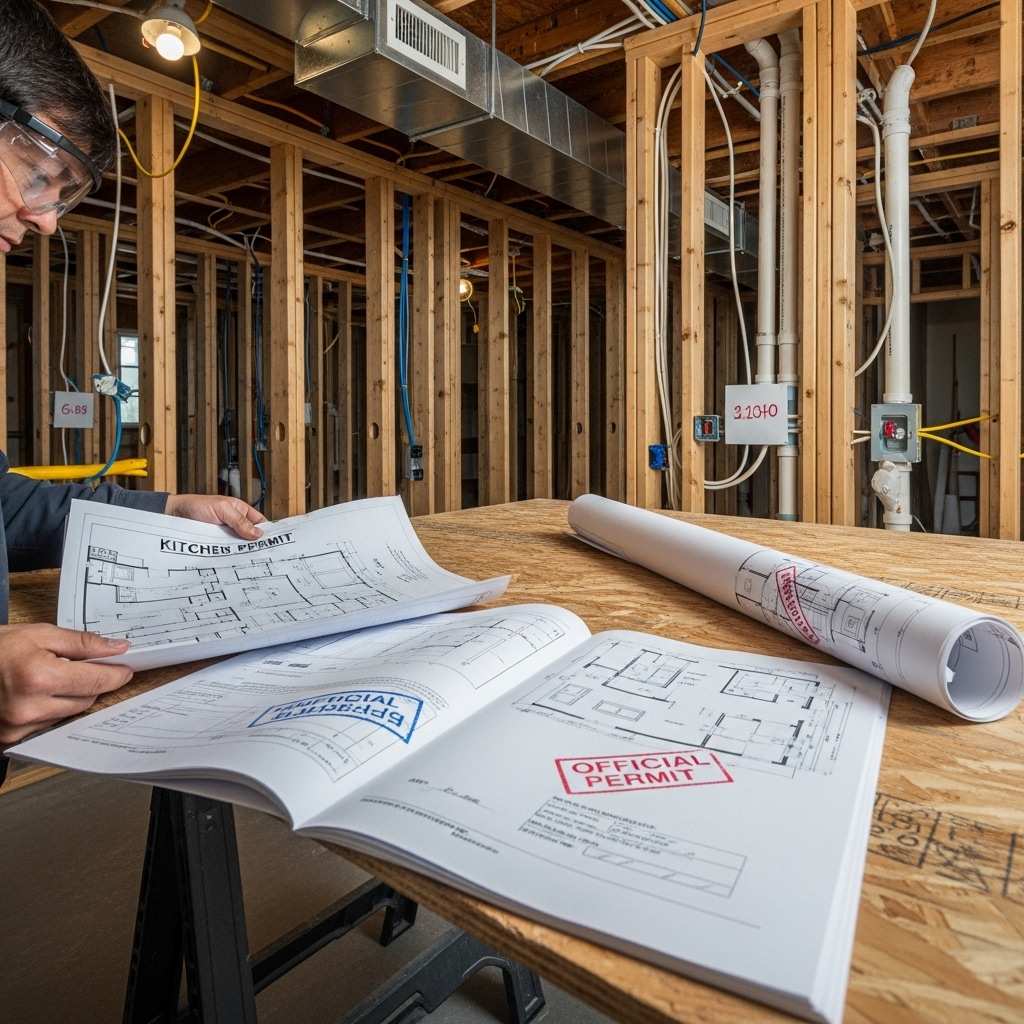
One of the best ways to keep a kitchen remodel calm and predictable in Alameda is to treat permits and codes as allies rather than hurdles. I’ve walked plenty of homeowners through the process, and the same pattern emerges: when the plan set is clear and the work respects how the house is built, approvals move smoothly and inspections feel like checkpoints rather than stress tests. Alameda’s building officials focus on safety, energy and water efficiency, and workmanship that will last in our marine-influenced climate. With a little local knowledge and a respectful approach, you can navigate the process with confidence. When you’re mapping scope and want early guidance, a conversation with professionals who offer full-spectrum kitchen remodeling services can anchor your strategy from day one.
Permitting might feel complex at first because kitchens touch so many building systems at once. A remodel can involve framing, electrical, plumbing, mechanical ventilation, window or door changes, insulation, finishes, and sometimes structural engineering. Alameda’s inspectors are not trying to trip you up; they want to see clean documentation and competent execution. If your team is organized, the process becomes straightforward.
Understanding what triggers a permit
Cosmetic updates like repainting cabinet doors usually stay outside the permit world. The moment you modify electrical, plumbing, mechanical systems, or structure, permits enter the picture. Replacing a range with a new model could be simple, but moving the range or hood, adding circuits, changing window sizes, or opening a wall changes the conversation. Plan sets should include existing conditions, proposed layouts, electrical diagrams, fixture schedules, and any structural notes or calculations. Clarity on paper reduces questions later.
Plan sets that pass review
Good drawings tell a story. Start with accurate as-builts showing wall locations, window and door sizes, ceiling heights, and existing outlets and lights. Then craft proposed plans that highlight what changes and what remains. Elevations show cabinet layouts, hood heights, and backsplash details. Electrical plans identify lighting layers and outlet placement, including protected receptacles near the sink and at the island. Plumbing notes clarify fixture flow rates and venting. Mechanical notes document hood duct sizing and routing to an exterior termination. If you’re removing or altering walls, include structural notes and, when required, stamped calculations. The clearer the story, the faster it reads in plan check.
Energy and water efficiency
California’s energy standards aim to make homes efficient without sacrificing comfort, and Alameda enforces them with care. In kitchens, this often means layered LED lighting with appropriate controls, efficient ventilation, and effective insulation where walls are opened. Many homeowners also take the opportunity to modernize appliances and upgrade weatherstripping at adjacent exterior doors. On the water side, fixtures must meet contemporary flow standards, and inspectors will look for accessible shutoffs and smart routing to minimize wasted water while you wait for hot at the sink.
Electrical safety and convenience
Kitchens are electrical hubs: task lighting, general illumination, appliances, and small devices all share the space. Code requirements for protected receptacles near wet areas, dedicated circuits for major appliances, and appropriate switching make the kitchen safer and more user-friendly. In older Alameda homes, upgrading wiring and grounding is common and beneficial. Smart placement of outlets—at the ends of islands, in appliance garages, and near mixers—reduces cord clutter and keeps counters tidy. The best plans consider how you actually cook and entertain and then meet code in a way that enhances that experience.
Plumbing updates that respect the house
Plumbing often reveals the age of a home. During a remodel, it’s wise to replace tired supply lines, correct venting, and set new shutoffs where they’ll be easy to reach later. If you’re moving a sink to an island, the plan must accommodate venting and drainage within the floor system or slab, and the inspector will confirm that the solution meets both code and good practice. Water-saving fixtures are standard, but feel matters—choose models that deliver a satisfying stream even while meeting efficiency targets.
Ventilation and ducting done right
Effective ventilation removes smoke and steam, protects finishes, and keeps open-plan homes comfortable. A well-sized hood, smooth ducting with minimal turns, and a clean termination at the exterior are all essential. In tighter homes or powerful setups, make-up air may be part of the design conversation. Alameda inspectors want to see secure, sealed duct runs that don’t compromise structure or leak into wall cavities. Early coordination between designer, carpenter, and mechanical contractor ensures that cabinetry and duct routes harmonize.
Structural adjustments and engineering
Opening a wall or enlarging an opening changes how loads travel to the foundation. Alameda’s plan review will want to see how those loads are managed—through beams, posts, and continuous load paths. In houses with older framing, you may also take the opportunity to reinforce floor systems to support islands or stone counters. Engineering doesn’t have to be dramatic, but it should be specific. A clear set of details makes the work efficient in the field and reassuring in the inspection.
Historic sensitivity and neighborhood fit
Inside the kitchen, historic sensitivity often means retaining or matching trims, preserving wainscoting, or coordinating cabinet styles with the era of the home. When window or door changes are involved, proportions and profiles matter. Alameda values its architectural character, and a respectful approach ensures your remodel feels like it belongs. Inspectors notice this, too; trim details executed with care reflect a team that likely handled the hidden parts with the same attention.
Waste management, staging, and neighborly logistics
Construction on an island with narrow streets asks for a light footprint. Your permit may include notes about debris handling, street use, or staging. A tidy site with clear walkways, protective floor coverings, and minimal sidewalk obstruction keeps everyone comfortable. Coordinate delivery days to avoid crunch periods on your block and keep work hours within reasonable limits. Inspectors appreciate organized jobs; it shows respect for the process and the community.
Inspection milestones and how to pass them
The typical sequence includes rough inspections for framing, plumbing, electrical, and mechanical, followed by insulation and then final. Each milestone is a conversation with the inspector. When the work is neat, labeled where needed, and accessible for review, inspections often move quickly. Keep a print set of plans on site, highlight changes, and be ready to answer questions about product specs. Your contractor should encourage questions rather than dodge them—clarity now prevents callbacks later.
Scheduling and lead times
Permits are only one half of the timeline. Cabinets, appliances, and specialty tile have their own clocks. Aligning these with inspection windows is the art of scheduling. A seasoned Alameda team orders long-lead items early, protects stored materials from moisture, and plans the sequence so crews aren’t tripping over one another. When everything is in sync, the job feels quieter and more deliberate, even when plenty is happening each day.
Why a good plan reduces changes
The fastest way to complicate permitting is to keep moving the target. Decide the big moves—layout, appliance sizes, hood type—before submitting. There’s always room to refine finishes, but major shifts after plan review add confusion. If conditions require an adjustment, document it and communicate with the inspector. Most are pragmatic when they see you’re solving a real problem, not chasing whims.
At the halfway point of your planning, it’s worth checking your path with a team that handles design through final punch consistently. Providers who deliver integrated kitchen remodeling services can sanity-check your drawings, confirm code notes, and anticipate inspection details that are easy to overlook. That second set of eyes can save days and prevent the kind of field improvisation that leads to callbacks.
Living through the remodel while inspections unfold
Alameda households often remain in place during construction. Protecting adjacent rooms, planning quiet hours, and setting up a temporary kitchenette make this manageable. Inspections create natural pauses; use them to review progress and confirm upcoming decisions like paint sheen, hardware finish, or pendant height. When you’re engaged, the project gains a steady rhythm.
Frequently Asked Questions
Here are answers to common permit and code questions from Alameda homeowners planning a kitchen remodel.
Do I always need permits for a kitchen remodel?
As soon as you modify electrical, plumbing, mechanical systems, or structure, permits apply. Purely cosmetic work may not require permits, but most meaningful remodels include upgrades that benefit from inspections. A quick conversation with your contractor clarifies where your scope falls.
How long does plan review take?
Timelines vary with workload and project complexity. Complete drawings and clear scope descriptions move faster because they minimize back-and-forth. Your contractor can provide a realistic window and build the construction schedule around expected inspection dates.
What are inspectors most focused on?
Safety and performance lead the list: proper wiring and protected outlets, clean plumbing and venting, effective and well-routed ventilation, and structurally sound framing. They also look for energy and water efficiency measures, along with good access for future maintenance.
Can I make changes after permit approval?
Yes, but keep them organized. Document revisions, update drawings if needed, and communicate with the inspector. Minor adjustments are common; what matters is clarity and consistency so inspectors understand what they’re evaluating.
How do I prepare for an inspection day?
Ensure the work to be inspected is complete and accessible. Keep a printed plan set on site with revisions noted. Label circuits or ducts where helpful, and schedule the visit when key team members can be present to answer questions. A tidy site speeds the process and leaves a good impression.
What about historic homes—are there extra steps?
Inside the kitchen, the focus is typically on preserving character where feasible and updating systems for safety and comfort. Window or door changes may invite additional review, especially on visible elevations. An experienced team will guide you through the nuances so you meet requirements while honoring the home.
Permits and codes aren’t obstacles; they’re the scaffolding that supports a kitchen you’ll love for a long time. With clear drawings, respectful execution, and steady communication, the process can be predictable and even reassuring. If you’re ready to map your project with confidence, reach out to a local team for proven kitchen remodeling services and start your remodel on solid footing.