
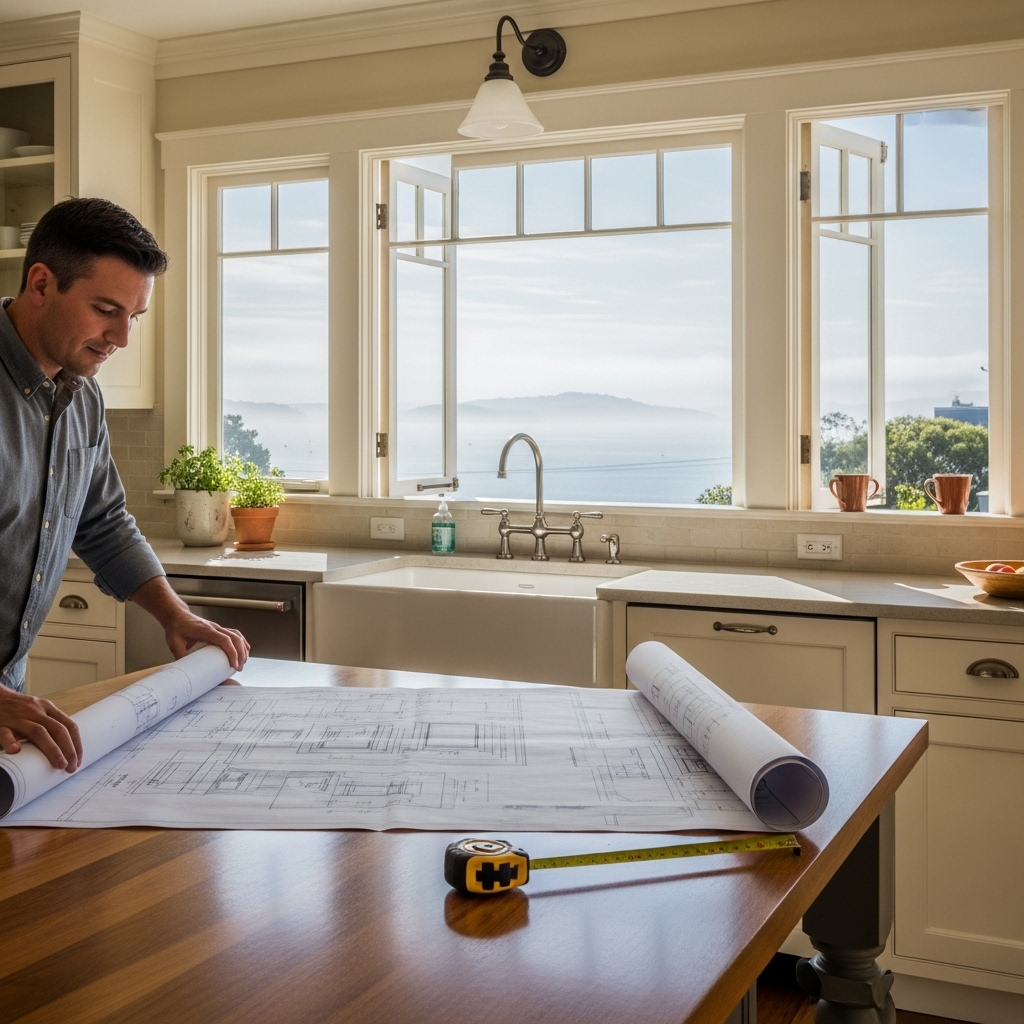
When neighbors in Alameda ask me what a kitchen remodel will really take, I start by painting a picture of the island itself. We cook with sea air drifting through open windows, we live with a long history of Victorians and Craftsman cottages, and we expect a kitchen to work hard for morning coffee, ferry schedules, and weekend gatherings that spill into small back gardens. Understanding the investment behind a thoughtful remodel here isn’t about a one-size-fits-all number. It’s about aligning the soul of your home with durable materials, appropriate upgrades, and a permitting and construction plan that respects how Alameda houses are built and how Alameda families live. If you’re at the dreaming stage and want expert perspective, exploring professional kitchen remodeling services early helps you translate inspiration into a practical, local plan.
No two kitchens on the Island City are alike. Your East End craftsman may have layers of old flooring and a low basement with supply lines that zigzag, while a Bay Farm Island home might present a simpler slab-on-grade challenge where trenching is needed to move drains. In the Gold Coast, ornate trim and historic doorways invite careful preservation, and in mid-century bungalows you’ll find compact footprints that reward smart storage and targeted structural reinforcement. Talking about the “cost” of a kitchen here is really a conversation about these details—how much change your space needs, what materials you’re drawn to, and how to plan the work so that each decision supports a resilient, easy-to-live-in result.
What truly drives the investment in an Alameda kitchen
Scope is destiny. A surface refresh that keeps walls and utilities in place behaves very differently from a transformational makeover that opens a wall to the dining room, adds an island with seating, and upgrades electrical capacity. The age of the home, the condition of framing and subfloor, and the presence of untouched systems all affect how deep the project needs to go. Add to that the realities of working on a tight island grid—parking, deliveries, and debris handling on narrow streets—and it becomes clear why planning is as important as craftsmanship. Good planning reduces surprises, keeps inspections on track, and prevents ripple effects that can elongate your schedule.
Alameda’s home styles and what they mean for your kitchen
From Italianate Victorians with tall windows to cozy 1920s bungalows and breezy Bay Farm Island ranches, Alameda architecture informs how a kitchen should be remodeled. In some older homes you might uncover balloon framing, patched plaster, and a mix of older and newer wiring. That doesn’t mean a remodel is difficult; it means it should be deliberate. Sometimes floors slope a bit after more than a century; leveling the subfloor and addressing transitions keeps cabinets square and drawers gliding smoothly. In mid-century homes, the bones are simpler but ventilation upgrades and lighting layouts take center stage because rooms were often designed around a single ceiling fixture. The best remodels respect these bones—saving original casings or trims when feasible, matching the profile of baseboards, and coordinating cabinet styles so new work feels native to the house.
Layout, walls, and utility moves
Opening a wall between the kitchen and dining room is a classic Alameda move that changes how a home lives. Doing so involves more than drywall; it requires a structural strategy that distributes loads with beams and posts while preserving ceiling height and sight lines. A qualified engineer and thoughtful sequencing keep this work neat and predictable. On the utility side, moving a sink to an island or repositioning a range might trigger drain rerouting, pressure-balanced supply lines, ventilation upgrades, and dedicated electrical circuits. Range hoods should vent to the exterior with smooth ducting and minimal turns, which in older homes often means carefully weaving a path through framing while protecting strength. When everything is mapped early, cabinetry and appliance selections align with the mechanical plan, not the other way around.
Materials and finishes that perform on the Island
Alameda’s mild, marine-influenced climate is kind to cooks but tough on finishes that don’t like humidity. Cabinet boxes with moisture-resistant cores, well-sealed finishes, and quality edge banding hold up year after year. Door styles that echo your home’s era—Shaker in a bungalow, inset styles in a Victorian, or clean slab fronts in a mid-century—can all look right when paired with hardware that feels substantial in the hand. Countertops are a daily touchpoint; durable engineered stone is popular for its low maintenance, while natural materials bring unique character and require routine care. For backsplashes, smaller handmade tile can hide minor irregularities in older walls and deliver a nuanced, timeless look. Flooring deserves special attention: site-finished hardwood can be feathered into existing rooms, luxury vinyl plank offers resilience to spills, and cork adds comfort for long cooking sessions. Layered lighting matters as much as finishes—recessed fixtures for general illumination, under-cabinet for task work, and pendants to warm up the island or sink area. Get these layers right and the room feels bright by day and cozy at night.
Mechanical, electrical, and plumbing realities in Alameda
Even when a kitchen looks simple on paper, behind the scenes there is choreography among trades. Electrical upgrades often include grounded, protected circuits and careful box placement so tile setters aren’t cutting around poorly planned outlets. Lighting controls that allow dimming create flexibility for cooking, entertaining, and early-morning coffee. Plumbing updates can involve new shutoffs, properly vented drains, and water-saving fixtures that still feel generous at the sink. If your home has an older water heater or a compact mechanical room, the remodel becomes an opportunity to verify seismic strapping, accessible valves, and clear pathways for maintenance. Ventilation is another unsung hero—quiet, efficient hoods, properly sized ducting, and attention to make-up air where required ensure that cooking smells leave the house without backdrafting other equipment. Alameda’s building officials look for these details because they translate directly to comfort and safety.
Permits, inspections, and neighborly construction
The City of Alameda reviews kitchen remodels with an eye toward safety, durability, and energy and water efficiency. Plan sets typically include floor plans, elevations, electrical layouts, and any structural notes or engineering. During construction, inspection milestones keep the project honest—rough framing and mechanicals before insulation, then finishes after everything works as intended. With narrow street parking and a compact urban fabric, your team will plan deliveries and debris removal with neighbors in mind. Choosing a contractor who communicates proactively reduces friction: they will post schedules, keep work hours reasonable, and maintain a tidy site that respects the sidewalk.
Timeline and sequencing: why patience pays off
Every task in a kitchen remodel sets up the next. Accurate measurements give the cabinet shop what they need to build boxes that install cleanly. Cabinets have lead times, as do appliances and specialty tile; a thoughtful team orders early and stages on site only what can be installed and protected. Inspections, especially during busy seasons, can require a few days’ notice; building a cushion keeps the schedule realistic. Alameda’s moist mornings can also extend finish drying times, a small but real consideration for paints and sealants. The most graceful remodels are those where the homeowner, designer, and builder share a calendar and make decisions at the right moment, not after crews have already arrived.
Aligning your investment with what matters most
The most satisfying kitchens are designed by priorities. If cooking is your family’s daily ritual, invest energy in layout, lighting, and ventilation. If entertaining is central, think about circulation, island seating, and the way your kitchen presents to adjacent rooms. If durability is the goal, select finishes that forgive daily life: easy-clean paints, robust hardware, and surfaces that shrug off spills. Many Alameda homeowners keep walls and plumbing where they are and focus on cabinetry, counters, and lighting, channeling resources into elements they touch every day. Others rework a wall or doorway to unlock flow and daylight and then choose a balanced palette of finishes. Either path can be right when it’s aligned with how you live.
Another smart move is to plan upgrades that reduce maintenance. Quality drawer boxes with soft-close glides, tipout trays at the sink, pantry pullouts, and corner solutions make day-to-day cooking smoother. For surfaces, think about the way sunlight moves across the room; some materials are more forgiving of fingerprints or water marks than others. And don’t overlook acoustics—soft-close hardware and a bit of sound absorption keep an open-plan home feeling calm.
There’s also a human side to getting it right: engage with professionals who listen, communicate, and coordinate well. Midway through planning is an excellent time to consult experienced kitchen remodeling services that understand city inspections, historic fabric, and the expectations of Alameda’s neighborhoods. The right team will help you weight tradeoffs, encourage mockups where a finish is hard to visualize, and translate your must-haves into a clean set of drawings and a dependable construction sequence.
Your role in shaping the plan
Homeowners have more influence over outcome than they realize. Decisive selections keep orders moving; timely approvals prevent work from stalling; and a single point of contact for the household streamlines communications. Visiting showrooms with a clear sense of your palette, measuring favorite cookware to size drawers correctly, and reviewing lighting temperatures in the evening light all fine-tune the result. If you’re living at home during the project, work with your builder to create a temporary kitchenette, protect travel paths, and plan quiet hours that respect both your routine and the neighbors.
Pitfalls Alameda homeowners can avoid
Most missteps begin with mismatched expectations. A stunning photo from a coastal magazine might hide details that don’t fit your house—oversized appliances in a petite footprint, a vent hood with inadequate ducting, or a marble finish that won’t enjoy family life. Other common pitfalls include underestimating the importance of lighting, forgetting outlets where you’ll actually plug in mixers and espresso machines, and crowding an island into a room that needs breathing room to work well. Work with professionals who will challenge a pretty idea that doesn’t serve the space; you’ll be happier with a kitchen that feels as good as it looks.
How thorough estimates are built
Before anyone swings a hammer, a detailed site assessment should capture the current conditions: wall thicknesses, window sizes, existing electrical locations, ceiling heights, and floor transitions. As-built drawings eliminate guesswork. From there, a scope of work describes what stays and what changes, notes allowances for selections that aren’t finalized, and clarifies responsibilities among the electrician, plumber, and carpenter. Transparency is the theme—clear descriptions lead to clear expectations. When unforeseen conditions arise, a good change process explains options and implications so you remain in control. In Alameda’s older homes, this approach isn’t just good practice; it’s essential stewardship.
Frequently Asked Questions
Over the years, these are the questions Alameda homeowners ask most often when planning a kitchen remodel. The answers reflect local building practices, climate, and the character of our housing stock.
How long does a typical Alameda kitchen remodel take?
Project length depends on scope, selections, and inspection timing. A thoughtful plan, early ordering of long-lead items, and steady communication keep momentum strong. Opening walls or relocating utilities adds time for engineering and approvals, while keeping layout intact can shorten the path to completion. The best schedules include a cushion for the unexpected, which reduces stress if surprises appear behind the walls.
Do I need permits for a cosmetic update?
If you’re swapping cabinet doors or repainting, formal permits may not be required. As soon as you touch electrical, plumbing, or structural elements, permits and inspections come into play. Even a modest update often includes new lighting, protected outlets, or a hardwired hood—all items that benefit from official review. Local professionals can advise on what your scope requires and help streamline the process with clean drawings and timely inspections.
Can I live at home during the remodel?
Many Alameda homeowners do, especially when the rest of the home is comfortable and the project team sets up a temporary kitchenette. Expect some dust and noise, and plan for quiet hours. Clear pathways, floor protection, and a zone for deliveries make living in place workable. If you work from home or have small children, coordinate with your builder to plan especially disruptive tasks when they’ll be least intrusive.
What special considerations apply to historic homes?
Historic character is part of Alameda’s charm. Inside the kitchen, that often means preserving original trims or wainscot where feasible, matching profiles when replacements are necessary, and ensuring new window or door changes respect the home’s proportions. Behind the scenes, bringing wiring and plumbing up to modern standards is not just a requirement; it’s an opportunity to make the home safer and more comfortable. Experienced teams help you navigate these choices so the kitchen feels fresh without losing its heritage.
How do I choose materials that stand up to the island climate?
Look for finishes that tolerate humidity and frequent cleaning. Well-sealed cabinet finishes, durable counters, and tile with quality grout and sealers go a long way. For metals, choose corrosion-resistant hardware and fixtures that hold up near salty air. And test lighting color temperatures in the actual room; daylight on the island has a different character, and a quick evening mockup can prevent surprises.
What happens if surprises are uncovered?
Unseen conditions—like dated wiring, compromised framing around an old window, or tired subflooring—are common in older homes. A professional team will document findings, explain options, and propose solutions that keep the project aligned with your goals. With thoughtful contingency planning, these moments become manageable course corrections rather than derailments.
If you’re ready to take the next step, partner with a local team that understands Alameda’s homes, neighborhoods, and permitting culture. Begin with a design conversation, measure the space carefully, and build a plan that honors your house and your routine. To move from ideas to action with a trusted ally, reach out for expert kitchen remodeling services and start shaping a kitchen you’ll love for years.