
Choosing the right contractor in Alameda isn’t simply about finding someone who can install cabinets straight and set tile evenly. It’s about partnering with a team that understands our island’s pace, the quirks of century-old framing, the rhythms of inspections, and the way light moves through homes near the water. I’ve watched homeowners breathe easier when they realize their contractor anticipates narrow-street parking, protects original trims in a Gold Coast dining room, and knows which mornings fog might extend paint drying times. That’s the kind of practical, local wisdom that turns a remodel from a headache into a smooth, even enjoyable process. If you’re just starting your search and want a benchmark for what good looks like, sit down with pros who offer comprehensive kitchen remodeling services and ask them to walk you through how they approach Alameda homes.
Before you make calls, take a moment to define what “trusted” means to you. For many Alameda families, trust is clarity: detailed scopes, realistic timelines, and a predictable communication cadence. For others, it’s stewardship: saving original casings, patching plaster thoughtfully, and choosing materials that are beautiful and resilient. Still others value the collaborative spirit that keeps the homeowner involved, not overwhelmed. Know your priorities and you’ll recognize the right fit faster.
Local experience matters more than you might think
A contractor can be excellent in general and still be learning on the job in Alameda. Houses here span eras and construction methods: you’ll see balloon framing in older Victorians, termite repairs in unexpected places, and patchwork updates from decades past. A contractor who has remodeled multiple kitchens in the East End or Bay Farm Island will know how to plan around these realities. They will anticipate inspection intervals, propose efficient ventilation routes, sequence deliveries on tight streets, and establish quiet hours that keep neighbors friendly. Ask potential partners to share Alameda-specific projects, not just regional work.
Signals of a professional you can trust
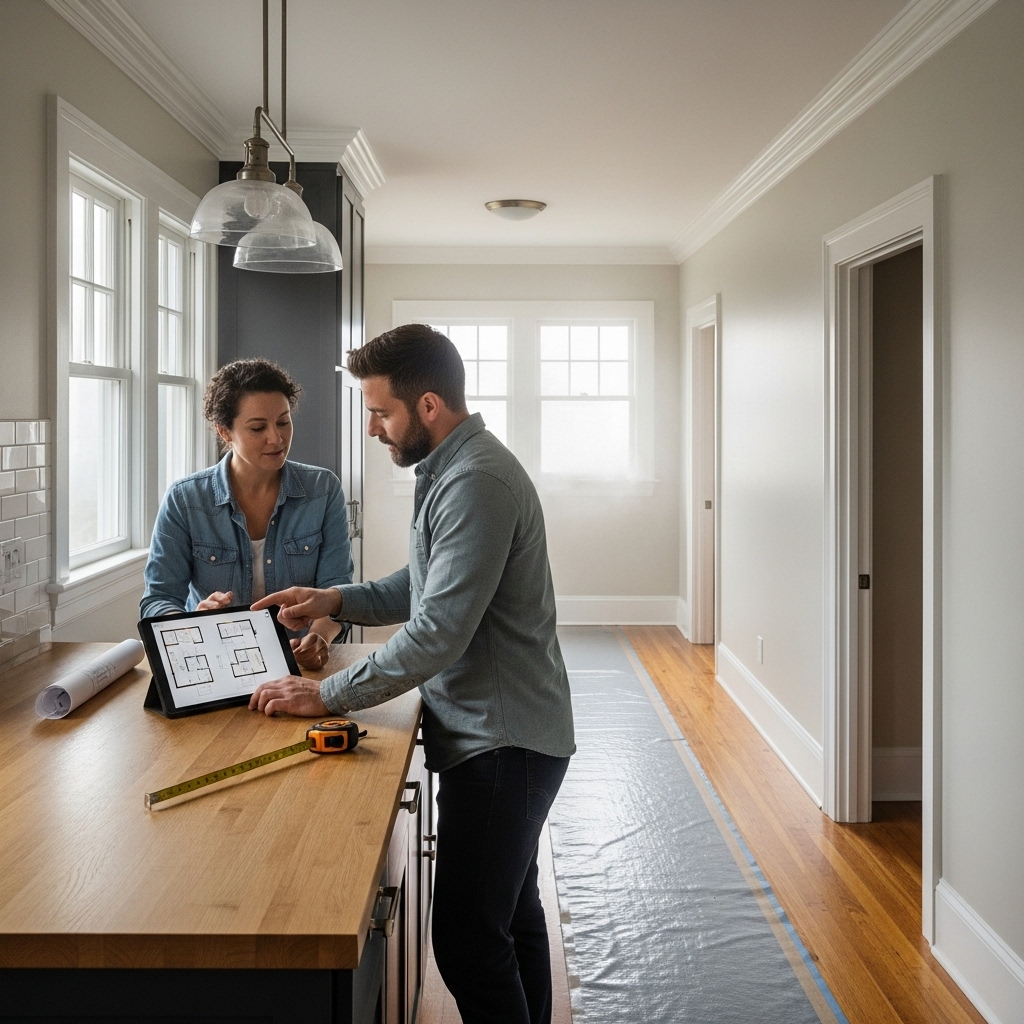
Walk into the first meeting with observational curiosity. Do they listen more than they talk in the opening minutes? Do they measure carefully, photograph conditions, and ask about the way you cook and gather? Do they discuss permit requirements upfront, including possible structural or electrical implications of moving walls or appliances? Trustworthy contractors earn confidence through process. They explain how as-built drawings reduce surprises, how allowance lines keep selections flexible, and how inspection milestones protect quality. They share which tradespeople will be in your home and how they supervise them. Over time, you’ll notice something else: the best teams are calm. They know the sequence and they defuse drama before it starts.
Design-build or general contractor with a designer?
Both models can deliver excellent results. Design-build firms keep everything under one roof, which often streamlines decisions and reduces handoffs. A general contractor who partners closely with a kitchen designer can be just as effective when the team has a long-standing relationship and clear protocols. What matters is clarity: who draws, who coordinates, who orders, and who owns the schedule. In Alameda, where older homes can generate field decisions, it’s helpful when the designer and builder share shop drawings early and meet on site before rough-ins are complete. That level of coordination ensures the electrician places boxes where cabinetry and tile setters want them, not where it seemed convenient in the moment.
References you can actually use
Ask for references you can visit, not just phone numbers. A fifteen-minute stop in a finished Alameda kitchen tells you more than an hour-long call. You’ll see how seams line up, how finish carpentry ties into original trims, and how the room feels in daylight. If a visit isn’t possible, request current-job references. Talking with someone in the middle of a project reveals how the contractor handles inevitable pivots, communicates schedule changes, and protects a lived-in home.
Transparency in scope and contract
Trust is built in the paperwork as much as in the handshake. The scope of work should specify what stays and what changes, identify structural assumptions, explain the electrical and plumbing strategy, and define who handles permits. It should also note allowances for items you haven’t selected yet, like countertops or hardware. The contract itself should spell out payment milestones aligned with progress, document insurance and license details, and include a change process that keeps you informed. In older Alameda homes, unknowns are part of the terrain; a clear change path ensures surprises are managed rather than magnified.
The site visit: read the clues
During an initial walkthrough, a skilled contractor will look beyond the pretty parts. Expect them to pop a crawlspace hatch, glance into the attic if accessible, and trace likely paths for ducting or drains. In a home with original plaster, they’ll assess whether walls can be protected and patched rather than replaced. They’ll note floor slopes and discuss strategies to keep cabinet installations square. You should feel them mapping the kitchen in their mind and thinking aloud about practical routes and staging. When they talk through logistics—delivery parking, debris handling, quiet hours—you’re seeing respect for you and your neighbors in action.
Communication cadence and decision points
Even the best teams need your input at critical moments. Agree early on how often you’ll meet or check in, what decisions are coming next, and how change requests will be handled. I encourage homeowners to keep a running log of questions and approvals. Designers appreciate it when you bring your favorite pan to confirm drawer depth or your cutting board to size a pullout. These tactile checks head off small disappointments that can nag at you later. In Alameda’s older homes, where walls can reveal surprises, a quick on-site huddle often saves time and ensures the solution suits both house and homeowner.
Permits, inspections, and the Alameda pace
Permitting here is predictable when your documents are complete. Contractors who work locally know what the City wants to see in a plan set, which details elevate an electrical layout, and how to schedule inspections to keep crews moving. They’ll be transparent about lead times for cabinets and tile and will order early enough to avoid idle days. This is where experience intersects with patience: the right team understands that the most economical schedule is the one with fewer interruptions, fewer return trips, and fewer reworks.
Why fit matters more than flash
It’s tempting to hire the team with the glossiest presentation, but Alameda kitchens reward fit: a grounded, craftsmanlike approach that respects the house. A contractor who talks about leveling subfloors, feathering hardwoods into adjacent rooms, and tuning lighting for both day and night is speaking the language of livable quality. They won’t upsell you on features that don’t serve your space, and they’ll temper trend chasing with materials that age gracefully. That balance is what makes a remodel feel like it has always belonged.
Midway through your search, sit down with providers who can show you an end-to-end process—from discovery to design, through permitting and punch list. Firms that deliver integrated kitchen remodeling services tend to have repeatable systems for communication, scheduling, and site protection, which reduces stress for everyone involved. Ask how they document as-builts, coordinate with engineers, and handle procurement. The more specific their answers, the more confidence you can have that your project will proceed with steady momentum.
Red flags to note without panic
No contractor is perfect, but patterns matter. If a proposal glosses over electrical or ventilation, be cautious. If there’s reluctance to discuss permit requirements, ask why. If the team changes plans often without documentation, press for clarity. Alameda homes don’t reward shortcuts; they reward steady, methodical care. A transparent contractor will welcome your questions and meet them with specifics.
Aftercare and standing behind the work
Trust extends beyond the final inspection. Ask how the contractor handles small adjustments after you start living in the space. Cabinet doors may need a tune, a dimmer might feel too sensitive, or caulk joints could settle slightly as materials acclimate. The best teams schedule a post-occupancy visit to catch these tweaks. They’ll show you how to care for finishes, who to call for service, and how to register product warranties. That kind of stewardship is a signature of professionals who plan to be around for the next project, not just this one.
Living through the remodel, Alameda-style
Many families stay home during construction. With narrow lots and shared fences, a considerate jobsite is essential. Your contractor should protect floors, run air scrubbers when dust is heavy, and maintain tidy staging. They’ll coordinate deliveries during reasonable hours and keep neighbors informed when a day’s work might be noisy. Share your routines—work-from-home calls, nap times, or school pickups—and expect the team to adapt where possible. Together you can maintain a respectful rhythm that keeps the project productive and the household sane.
Frequently Asked Questions
Here are answers to common questions Alameda homeowners ask while choosing a kitchen remodeling partner.
How many bids should I get?
Two to three well-qualified proposals are usually enough to understand approaches and reveal differences. More than that can create noise without improving your decision. Focus on scope clarity, communication style, and Alameda experience rather than simply comparing bottom lines.
What kind of insurance and licenses should I verify?
Confirm active contractor licensing and appropriate insurance coverage. Ask for documentation and make sure the names match the company you’re hiring. A professional outfit will provide this readily and explain how their coverage protects both you and their team.
Is design-build always better?
Not always. Design-build can streamline decisions, but a skilled general contractor paired with a strong designer offers similar benefits. Evaluate communication, accountability, and past collaboration. Choose the team structure that gives you the clearest path from concept to completion.
Should I live at home during the project?
It depends on your tolerance for disruption and the scope of work. Many Alameda homeowners do, with a temporary kitchenette and a clear plan for dust control and quiet hours. Discuss your routine with your contractor and make a joint plan that fits your household.
How do I judge workmanship before hiring?
Visit finished projects and current jobsites. Look for tight miters, consistent reveals, smooth drywall, clean tile lines, and thoughtful transitions to existing finishes. Equally important, watch how crews treat the home—protection, organization, and cleanliness are reliable proxies for care.
What happens if hidden conditions appear?
Experienced contractors document findings, explain options, and propose a path forward with clear implications. Alameda’s older homes can reveal surprises; a transparent change process keeps you in control and the project on schedule.
When you’re ready to move from interviews to action, choose a partner who listens, plans, and builds with the island’s character in mind. A simple conversation can clarify your vision, align the scope, and map the path to a kitchen that feels right on day one and year ten. Start today by exploring proven kitchen remodeling services and put a trusted team on your side.