
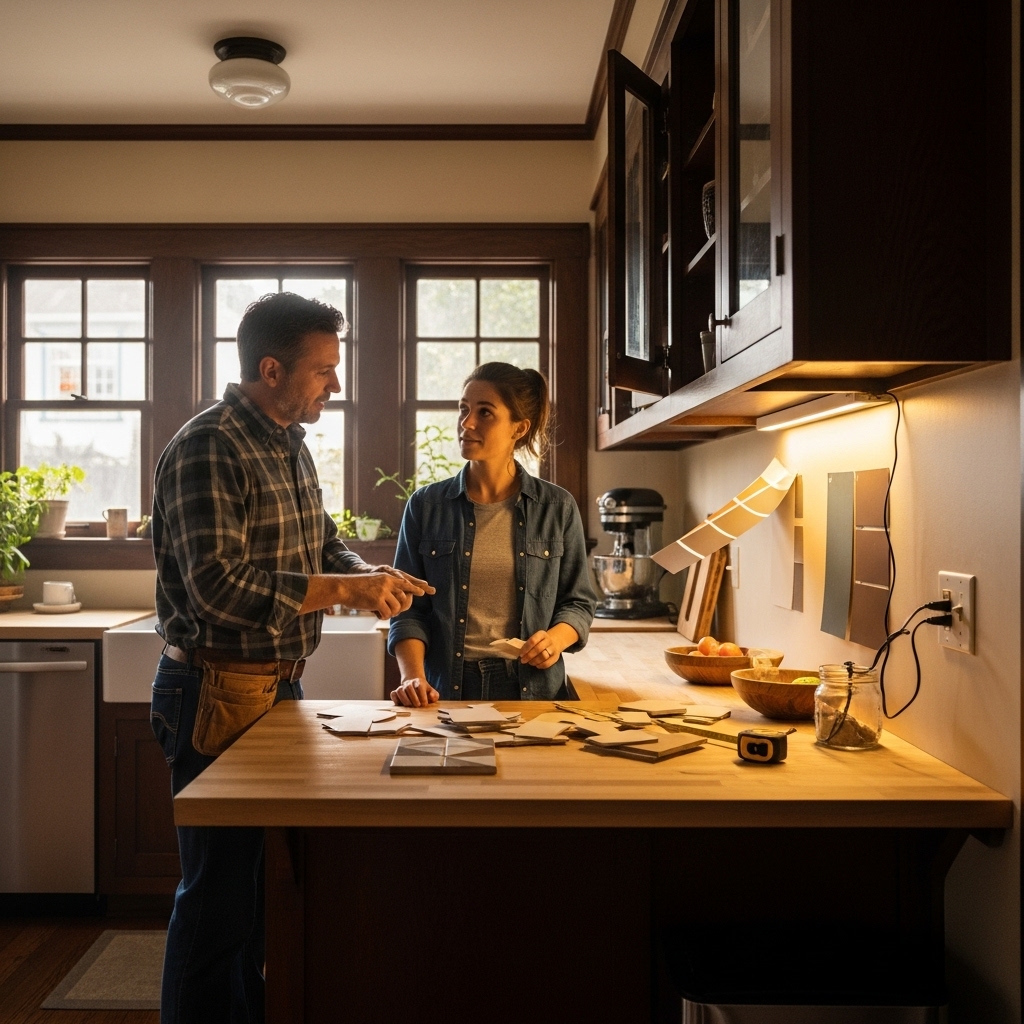
When Alameda homeowners ask how to remodel a kitchen without overextending, I remind them that “affordable” is more about strategy than sacrifice. It’s about pairing smart design with careful sequencing, choosing materials that deliver high daily value, and planning the work to minimize do-overs. On our island—where homes range from ornate Victorians to snug bungalows and mid-century ranches—affordability also means respecting what already works. Keep a layout that flows, refresh what still has life, and focus your resources on the elements you touch and see every day. If you want a sounding board as you sketch your plan, talk with local pros who provide comprehensive kitchen remodeling services and can help you stretch each decision.
Before you think about finishes, step back and look at how you actually cook. Are you a one-pan weeknight chef or a weekend baker with sheet pans galore? Do you host big gatherings, or are you happiest with two seats tucked at a peninsula for breakfast? This honest assessment steers resources toward the parts of the kitchen that matter most. It also reveals where you can right-size choices without feeling like you settled.
Keep the bones, refresh the skin
One of the most powerful ways to keep a remodel within reach is to preserve a layout that functions. Moving walls and rerouting utilities can be transformative, but when the room already circulates well, you can get remarkable improvement by modernizing cabinets, counters, lighting, and appliances while leaving major infrastructure intact. In older Alameda homes, leveling subfloors and squaring walls may be necessary for clean installations; even then, the focus remains on visible upgrades that make cooking easier and the room brighter.
Cabinet strategies that stretch value
Cabinetry typically anchors the look and feel of a kitchen. If the existing boxes are sturdy and the layout works, refinishing or refacing can deliver a fresh face without rebuilding. New doors, updated drawer boxes, soft-close glides, and modern organizers bring cabinets into the present. If replacement is the right call, consider semi-custom lines that offer durable construction and the sizes you need without paying for full bespoke work. Prioritize drawers over doors for base cabinets; they improve ergonomics and keep you from buying organizers later to fix poor access.
Counters and backsplashes with staying power
Daily life happens on the countertop, so choose a surface that forgives spills and cleans easily. Engineered stone remains a favorite for its low maintenance and broad color range. If you love natural variation, select slabs with movement in tones that echo your floors or wall color so the room feels cohesive. For a backsplash, handmade-look tiles provide texture and depth without demanding high material quantities. They also hide minor wall waves that often show up in older homes, saving on prep work.
Lighting: the affordable luxury
Good lighting multiplies the value of every other choice. Swap a single overhead fixture for a layered plan—recessed fixtures for general illumination, under-cabinet lighting for prep, and a pair of pendants sized to the scale of the room. Dimmers extend control from breakfast to evening. When done thoughtfully, lighting can make an unchanged layout feel brand new, and it’s often one of the most cost-effective upgrades you can make.
Appliance choices that fit your routine
Right-sizing appliances can be both affordable and liberating. Choose quiet performance and reliable controls over sheer size. A well-vented range, a dishwasher that disappears into the background noise, and a refrigerator that fits the opening without forcing cabinetry changes often yield a better experience than maxing out specifications you’ll rarely use. Panel-ready options can wait for a future phase if the shell is prepared now.
Flooring fixes that respect adjacent rooms
In Alameda’s older homes, kitchen floors often echo decisions made decades ago. If you’re lucky enough to have continuous hardwood, refinishing across the boundary to the dining room creates visual calm. Where patching is needed, feather boards carefully and use stains that harmonize rather than attempt a perfect match. In hardworking households, resilient plank flooring can deliver comfort and durability while keeping maintenance simple.
Ventilation and electrical: smart where it counts
Affordability doesn’t mean skipping essentials. Effective ventilation protects finishes and keeps an open-plan home comfortable. Plan a duct route that’s short and smooth, and choose a hood that’s quiet enough to use every day. For electrical, add the outlets you’ll actually use and ensure protected receptacles near sinks and on islands. Good lighting controls and adequate circuits help the kitchen flex for cooking, entertaining, and quiet evenings.
Phasing the project without losing momentum
When scope and savings need to shake hands, consider a phased approach. Phase one can focus on lighting, paint, hardware, and a backsplash, while phase two replaces cabinets and counters once you’re ready. If you plan to phase, think ahead: locate future appliances now, run wiring for later features while walls are open, and choose a color palette that will bridge both stages. This strategy keeps the kitchen usable and avoids redoing work.
Shop with purpose, not haste
The fastest way to overspend is to make decisions under pressure. Decide your palette early, carry samples home to view in morning and evening light, and measure twice before ordering. Alameda’s coastal light can shift how a color reads from one hour to the next; testing at home prevents returns and regrets. Ask your contractor about lead times so you can order long-lead items in time to keep the schedule humming.
Stewardship of what’s beautiful
Part of affordability is knowing what to keep. Original trims, a built-in hutch, or a well-proportioned window can be the soul of the room. Clean, repair, and integrate these elements intentionally. You’ll save resources and gain character that new pieces can’t replicate. When replacements are necessary, choose profiles that honor the home’s era so the remodel feels like it belongs.
Working with the right team
A contractor who respects your budget is a partner, not a gatekeeper. They’ll propose alternatives rather than pushing you toward unnecessary upgrades, and they’ll sequence work to minimize disruption. Ask how they handle dust, deliveries, and quiet hours—details that matter on Alameda’s narrow streets. They should also be candid about which corners are safe to round and which are non-negotiable for long-term performance.
At the midpoint of planning, sit down with a builder or design-build firm that offers integrated kitchen remodeling services. They’ll help you refine scope, sanity-check material choices, and anticipate permit needs so the project doesn’t stall. A good team will protect your plan from last-minute scrambles that cost more than they save.
Living through the remodel without losing your rhythm
Staying home during construction can be practical with the right setup. Establish a temporary kitchenette with a microwave, hot plate, and a clear sink nearby. Protect travel paths, set expectations for work hours, and plan a few low-cook meals. The calmer the home, the smoother decisions become—which in turn protects your budget and your sanity.
Small luxuries that pay back daily
Affordability isn’t only about cutting; it’s also about spending wisely on features that earn their keep. Soft-close drawers reduce wear and the nightly racket. A deep sink with a good sprayer makes cleanup easier. Quiet vent hoods encourage actual use, protecting paint and ceilings. A pullout for trash and recycling keeps the room orderly. These small luxuries make the kitchen feel tailored, even when the larger scope is conservative.
Pitfalls to sidestep
Beware of chasing trends that demand expensive maintenance, overfilling a small room with oversized appliances, or skimping on lighting in favor of flashier finishes. Another common trap is buying materials too early without checking lead times or verifying quantities; correction orders eat time and momentum. Keep decisions tied to how you live, and pressure-test big moves with your contractor before committing.
Aftercare and longevity
Once the dust has settled, care for your kitchen with simple routines: wipe spills promptly, clean grout with gentle products, and tune cabinet hinges if doors settle. Ask your team for a maintenance guide tailored to your finishes. The right habits preserve that just-remodeled feeling and defer replacement far into the future.
Frequently Asked Questions
Here are answers to common questions Alameda homeowners ask when planning an affordable kitchen remodel.
Can I refresh my kitchen without replacing cabinets?
Yes. When boxes are sound, refacing or refinishing combined with new hardware and interior organizers can transform the room. Pair this with improved lighting and a fresh backsplash and you’ll see a dramatic change without a full rebuild.
Is phasing a remodel a good idea?
Phasing works well when planned from the start. Install wiring or blocking you’ll need later while walls are open, and choose colors that bridge phases. This keeps each stage cohesive and prevents undoing work.
Where should I prioritize spending?
Invest in the parts of the kitchen you touch and see daily: cabinets, drawers, counters, lighting, and ventilation. Durable, easy-to-clean finishes will pay you back every day and reduce maintenance over time.
How do I avoid mid-project surprises?
Accurate as-builts, early selections, and clear scopes reduce unknowns. Work with a contractor who documents changes and communicates inspection milestones. In older Alameda homes, a little contingency planning turns surprises into manageable adjustments.
Can I live at home during an affordable remodel?
Many do. With a temporary kitchenette, clear pathways, and agreed-upon quiet hours, it’s practical. Coordinate schedules with your contractor to reduce disruption and keep the project moving.
What design choices make a small kitchen feel bigger without expanding?
Light, low-sheen finishes, reflective surfaces, simple cabinet lines, drawers for base storage, and well-placed lighting all expand the feel of a room. Peninsulas can offer seating and storage where a full island would crowd circulation.
Affordable doesn’t mean ordinary. With a clear plan, disciplined selections, and a team that respects both your home and your budget, you can build a kitchen that looks and lives far above its weight. When you’re ready to take the next step, start a conversation with local experts who provide reliable kitchen remodeling services and begin shaping a beautiful, attainable kitchen that fits Alameda life.