
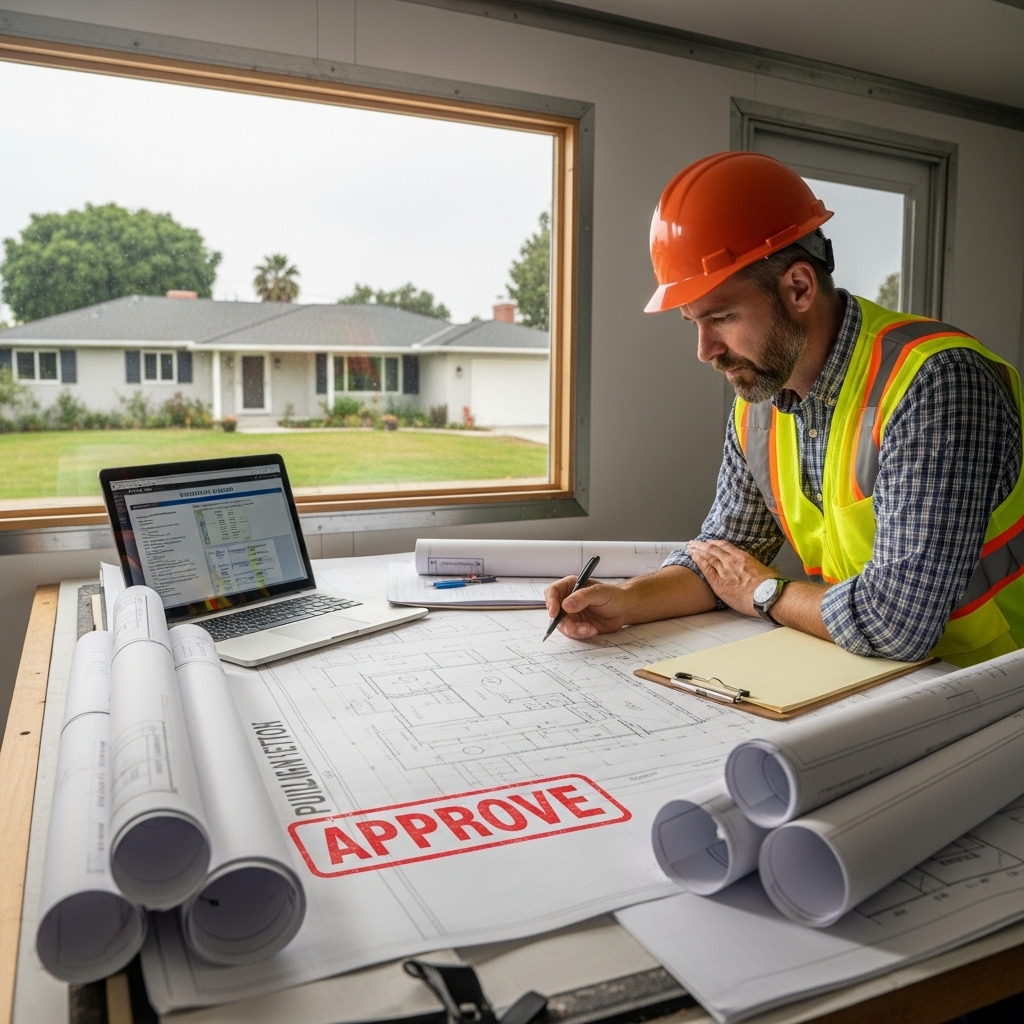
Permits are the connective tissue between vision and safety, especially in a community like Encino where homes range from charming mid-century ranches to dramatic hillside retreats. When you understand permits, you understand the sequence of a remodel: how drawings become approvals, how approvals become inspections, and how inspections culminate in a home that is both beautiful and sound. If you are at the beginning of your planning and looking for reliable home remodeling services, this guide breaks down what permits do, when you need them, and how local context shapes the process.
What a permit actually does
At its core, a permit is official permission to perform work that meets safety and building standards. It ensures that structural changes, electrical, plumbing, and mechanical systems are designed and installed correctly. Permits bring an inspector into the loop at key milestones—after framing, before ceilings are closed, when new circuits are added, or when plumbing is relocated—so that each layer of your home is verified before the next covers it.
Permits also create a historical record. Future buyers, lenders, and insurers can see what was done and when. That record protects the value of your home and supports smoother transactions down the line. It is not just about compliance; it is about clarity for anyone who interacts with your home over its lifespan.
When you need a permit in Encino
Most structural alterations, relocations of plumbing or electrical, new windows or doors that change openings, additions, and accessory dwelling units require permits. Kitchen and bathroom remodels that move fixtures or change ventilation paths are nearly always permitted. Even projects that seem straightforward benefit from a quick review by a licensed contractor to confirm whether a permit is required. Small repairs that do not affect structure or systems may be exempt, but when in doubt, ask. The short conversation upfront is worth the certainty it provides.
Encino’s terrain and microclimates also inform permitting. Hillside properties can trigger specific requirements related to slopes, retaining conditions, and geotechnical considerations. Homes near natural open space may involve additional reviews for vegetation or fire safety. Understanding these thresholds early helps you plan drawings, engineering, and inspection timing.
How drawings and plan check work
The permit path typically begins with drawings that translate your vision into technical documents. For interior reconfigurations, these may include existing and proposed floor plans, demolition plans, and mechanical, electrical, and plumbing layouts. For structural changes, you will need engineering calculations and details that show how loads are handled. Plan checkers review these documents to ensure compliance with building, energy, and residential codes, and they may ask for clarifications or adjustments. A seasoned team anticipates common questions and keeps the plan moving smoothly through review.
Energy compliance is a consistent thread in modern permitting. Upgrades to insulation, windows, or mechanical systems are evaluated against performance standards. In Encino, where summer heat and afternoon sun can be intense, good energy design pays dividends in comfort. Permitting is the moment you lock these benefits into the plan.
Inspections and the rhythm of construction
Once your permit is issued, the construction sequence unfolds in sync with inspections. After demolition, framing and rough-in work set the stage. Inspectors verify that structural elements match engineered details, that electrical circuits and boxes are safe and properly sized, and that plumbing is vented and sloped correctly. Mechanical ventilation and ducting are checked for placement and support. Each approval allows the project to advance to the next stage, and experienced crews plan work so that inspections dovetail with trade schedules, minimizing downtime.
Clear communication with your inspector is part of local best practice. When contractors treat inspectors as collaborators, not obstacles, projects benefit. Questions get answered quickly, minor adjustments are handled in stride, and the job keeps moving. In Encino’s active remodeling environment, those relationships help maintain momentum.
Common permit scenarios in Encino homes
Kitchens often involve combining rooms and opening walls. That triggers structural review for beams, load paths, and shear. Bathrooms may require reconfiguring drains, vents, and waterproofing details, especially if you are adding a curbless shower. Window upgrades can be as simple as replacing in-kind or as detailed as resizing openings; either way, energy and egress rules apply. Additions and ADUs demand a fuller set of drawings, sometimes with hillside or grading considerations. In each case, permits guide the right questions at the right time, keeping the build predictable.
One nuance in established neighborhoods is the presence of earlier alterations. You might uncover wiring that predates current standards or framing that differs from the plans on file. Licensed contractors prepare for this possibility, loop in inspectors transparently, and document solutions so that the finished work meets today’s requirements.
Timelines, neighbors, and living through a remodel
Permitting is part of your schedule, and so is how construction interacts with daily life. Many Encino families remain in their homes during remodels, which makes phasing and jobsite protection essential. Contractors who build locally know the best windows for deliveries along Ventura, the quickest inspection scheduling routes, and how to keep work vehicles organized on narrower streets. They also plan quiet hours thoughtfully and communicate with neighbors when necessary to maintain goodwill.
For hillside projects, access planning is critical. Staging materials, protecting slopes, and coordinating with inspectors on steep streets require choreography. Permits make that choreography visible and align the team around shared checkpoints.
Frequently asked questions
Do all remodels in Encino require permits?
No. Minor cosmetic updates may not need permits. However, most projects that change structure, relocate plumbing or electrical, or alter windows and doors do. When uncertain, ask a licensed contractor to review your scope and advise based on current requirements.
Who prepares the permit drawings?
Depending on scope, drawings may be prepared by a designer, an architect, or a design-build team, with engineers providing calculations and details for structural changes. Licensed contractors coordinate this team so that documents are complete and consistent.
How long does plan review take?
Timelines vary with scope and season. Straightforward interior alterations can move quickly; additions and hillside projects require more review. The best way to stay on track is to submit complete documents the first time and respond promptly to plan check comments.
What happens if the inspector requests changes?
Inspectors may ask for field adjustments or additional documentation. Your contractor explains the request, implements the change, and schedules reinspection as needed. This is a normal part of the process and is handled without drama by experienced teams.
Can I start demolition before the permit is issued?
It is usually best to wait for permits before any work that would require inspection. Your contractor can advise on what preparatory steps are appropriate, such as design refinement or non-invasive planning, while permits are in process.
How does a permit benefit me long term?
Permits and passed inspections create a record that supports future resale, refinancing, and insurance needs. They also ensure that hidden systems—structure, wiring, plumbing, ventilation—are installed correctly for safety and durability.
Ready to move forward with clarity
If you are ready to align your vision with a permit plan that makes sense for your home and your neighborhood, connect with a local team that treats the process with care. Start a conversation about home remodeling services and take the next step toward a remodel that is as compliant as it is beautiful.